Beijing Hosts Inaugural World Humanoid Games Showcasing Robotic Athleticism
The inaugural World Humanoid Games have officially commenced in Beijing, drawing global attention to the rapid advancements in robotics and artificial intelligence. The five-day event serves as a high-stakes arena for humanoid machines to demonstrate their physical capabilities, ranging from precision sports to complex athletic maneuvers that mirror human performance.
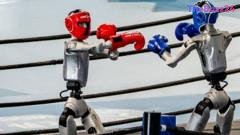
Among the most notable highlights of the opening days was a sprinting demonstration where a robot successfully outpaced the world record set by Usain Bolt in the 100-meter dash. Beyond track events, the competition features a diverse array of challenges, including boxing, high jump, table tennis, and even the practice of Tai Chi. These events are designed to test the balance, agility, and processing speed of the participating units.
The games also emphasize the cultural and social integration of robotics. During the opening ceremony, droids performed synchronized marching routines, while other units demonstrated their ability to replicate famous human gestures, such as Cristiano Ronaldo’s signature ‘Siuuu’ celebration on the football pitch. This blend of technical prowess and human-like expression marks a significant milestone in the development of humanoid technology.
Key Takeaways
- The World Humanoid Games in Beijing feature robots competing in a variety of athletic disciplines, including sprinting, boxing, and high jump.
- A participating robot has already surpassed the human world record for the 100-meter sprint.
- The event highlights advancements in robotic agility, balance, and the ability to replicate complex human movements and cultural gestures.
Editor’s Analysis & Impact
The World Humanoid Games represent a pivotal shift in the robotics industry, moving beyond industrial automation toward consumer-facing and athletic humanoid applications. By pushing these machines to perform human-centric tasks like sprinting and sports, developers are stress-testing hardware durability and software responsiveness in real-time environments. This event serves as a critical benchmark for the industry, signaling that humanoid robots are transitioning from controlled laboratory settings to more dynamic, unpredictable physical interactions. The implications for the future are vast, suggesting that we are nearing a tipping point where humanoid assistants could feasibly perform complex physical labor or interactive tasks in public spaces. As these technologies mature, the focus will likely shift toward mass production and the integration of these units into daily life, potentially disrupting sectors ranging from sports entertainment to personal care.
Frequently Asked Questions
Q: What is the primary purpose of the World Humanoid Games?
A: The games are designed to showcase and test the physical capabilities, agility, and artificial intelligence of humanoid robots through a series of athletic and cultural challenges.
Q: How long does the World Humanoid Games event last?
A: The competition is scheduled to run for a total of five days.
AI Disclosure: This article is based on verified data and official reports. Our Team and AI have cross-referenced every financial detail with primary sources to ensure total accuracy.
More from this Category