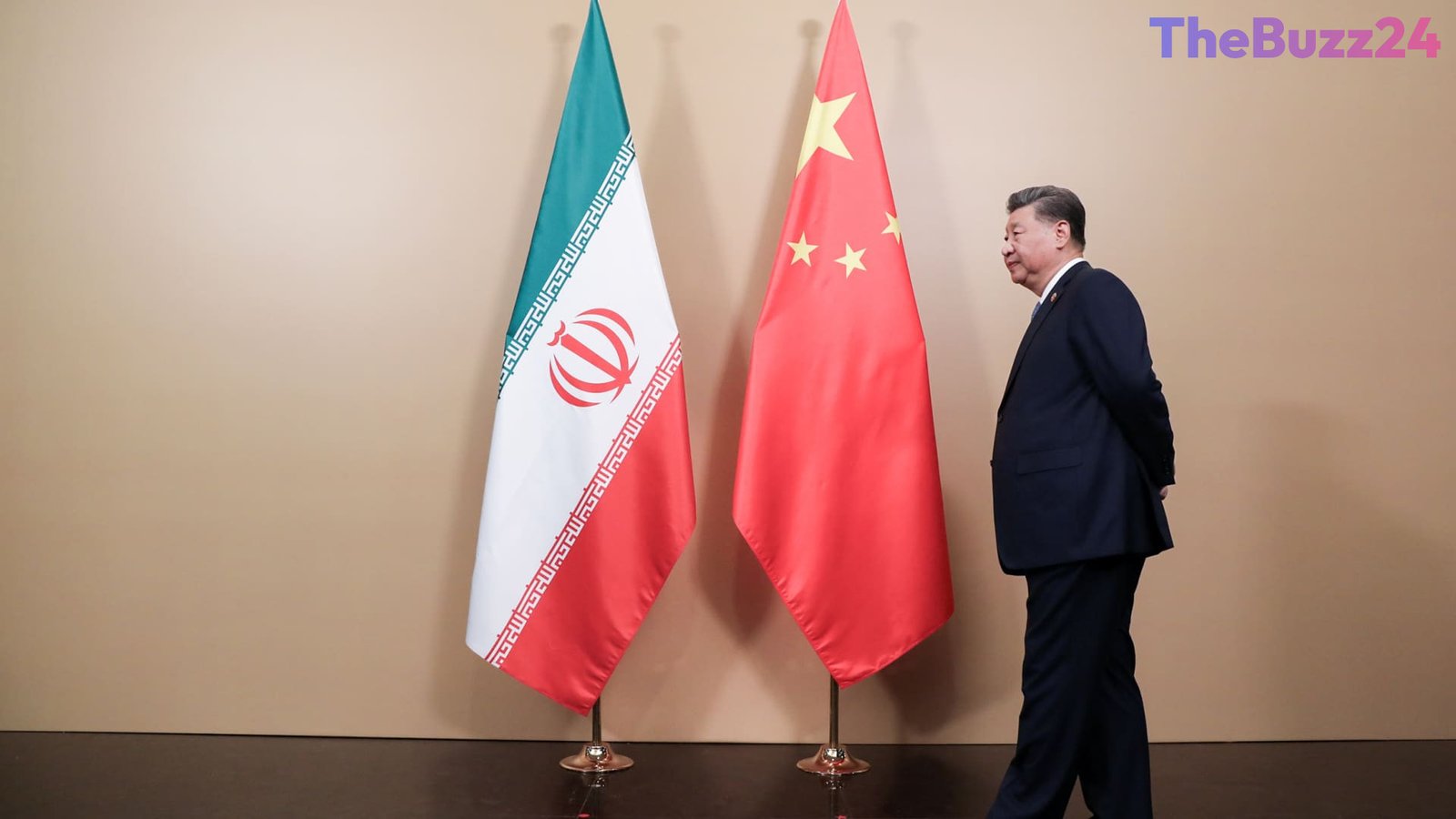
Beijing’s Delicate Balance: Xi Keeps Iran at Arm’s Length Before Crucial Trump Meeting
During the recent Shanghai Cooperation Organization (SCO) summit in Kyrgyzstan, Chinese President Xi Jinping held a brief, low-profile meeting with Iranian President Masoud Pezeshkian. While other world leaders, including Indian Prime Minister Narendra Modi, openly shared details and photographs of their interactions with the Iranian leader, Beijing’s state media completely omitted any mention of the encounter. This quiet diplomacy highlights China’s cautious approach as it prepares for a highly anticipated summit with U.S. President Donald Trump.
Analysts suggest that the deliberate lack of publicity surrounding the meeting is a calculated move by Beijing to manage international optics. China is attempting to sustain its strategic partnership with Tehran without appearing to endorse its actions, particularly given the ongoing geopolitical tensions in the Middle East. Although China remains the primary buyer of Iranian oil, imports have recently declined as Beijing draws from its own substantial reserves amid disruptions in the Strait of Hormuz.
The muted interaction also reflects growing friction between the two nations. Beijing has consistently advocated for regional stability and the reopening of vital shipping lanes like the Strait of Hormuz, whereas Tehran’s recent actions have escalated regional conflicts. Despite this underlying dissatisfaction, the fact that the two leaders met at all indicates that Beijing is keeping diplomatic channels open while maximizing its leverage ahead of the upcoming U.S.-China talks.
The upcoming summit between Xi and Trump is expected to address not only the Middle East conflict but also pressing economic issues. Recently, U.S. officials have ramped up pressure on China regarding its record-high trade surplus and manufacturing overcapacity. As Washington threatens potential secondary sanctions on Chinese financial institutions over trade with Iran, the diplomatic maneuvering at the SCO summit underscores the complex geopolitical chessboard facing Beijing.
Key Takeaways
- Chinese President Xi Jinping held a brief, unpublicized meeting with Iranian President Masoud Pezeshkian at the SCO summit in Kyrgyzstan.
- Beijing's decision to downplay the meeting is seen as a strategic move to avoid friction with Washington ahead of an upcoming summit between Xi and Donald Trump.
- While China remains a major buyer of Iranian oil, Beijing is reportedly frustrated with Tehran's escalations and the ongoing disruption of trade routes like the Strait of Hormuz.
Editor’s Analysis & Impact
Beijing’s quiet treatment of the Iranian delegation at the SCO summit highlights the delicate tightrope China must walk in its foreign policy. On one hand, Iran is a crucial strategic partner and a key energy supplier for China’s massive economy. On the other hand, maintaining stable relations with the United States remains paramount, especially with a high-stakes Trump-Xi summit on the horizon. By keeping its interactions with Tehran low-profile, Beijing is attempting to signal to Washington that it is not forming an explicit anti-Western axis, thereby preserving diplomatic flexibility. However, if the U.S. decides to impose secondary sanctions on Chinese banks over Iranian oil purchases, this carefully managed neutrality could quickly dissolve, forcing Beijing into a more confrontational stance that could disrupt global energy markets and trade relations.
Frequently Asked Questions
Q: Why did Chinese state media ignore the meeting between Xi Jinping and Masoud Pezeshkian?
A: Beijing wanted to keep the meeting low-profile to manage international optics and avoid appearing too closely aligned with Tehran right before President Xi's crucial summit with U.S. President Donald Trump.
Q: What is causing tension between China and Iran?
A: While China is a major buyer of Iranian oil, Beijing is frustrated by Tehran's role in escalating regional conflicts and the subsequent closure or disruption of the Strait of Hormuz, which impacts global trade and energy flows.
Q: What other issues are straining U.S.-China relations ahead of the summit?
A: In addition to geopolitical alignments, the U.S. is pressuring China over its record-high trade surplus and manufacturing overcapacity, which Western governments argue distorts global markets.
AI Disclosure: This article is based on verified data and official reports. Our Team and AI have cross-referenced every financial detail with primary sources to ensure total accuracy.
More from this Category