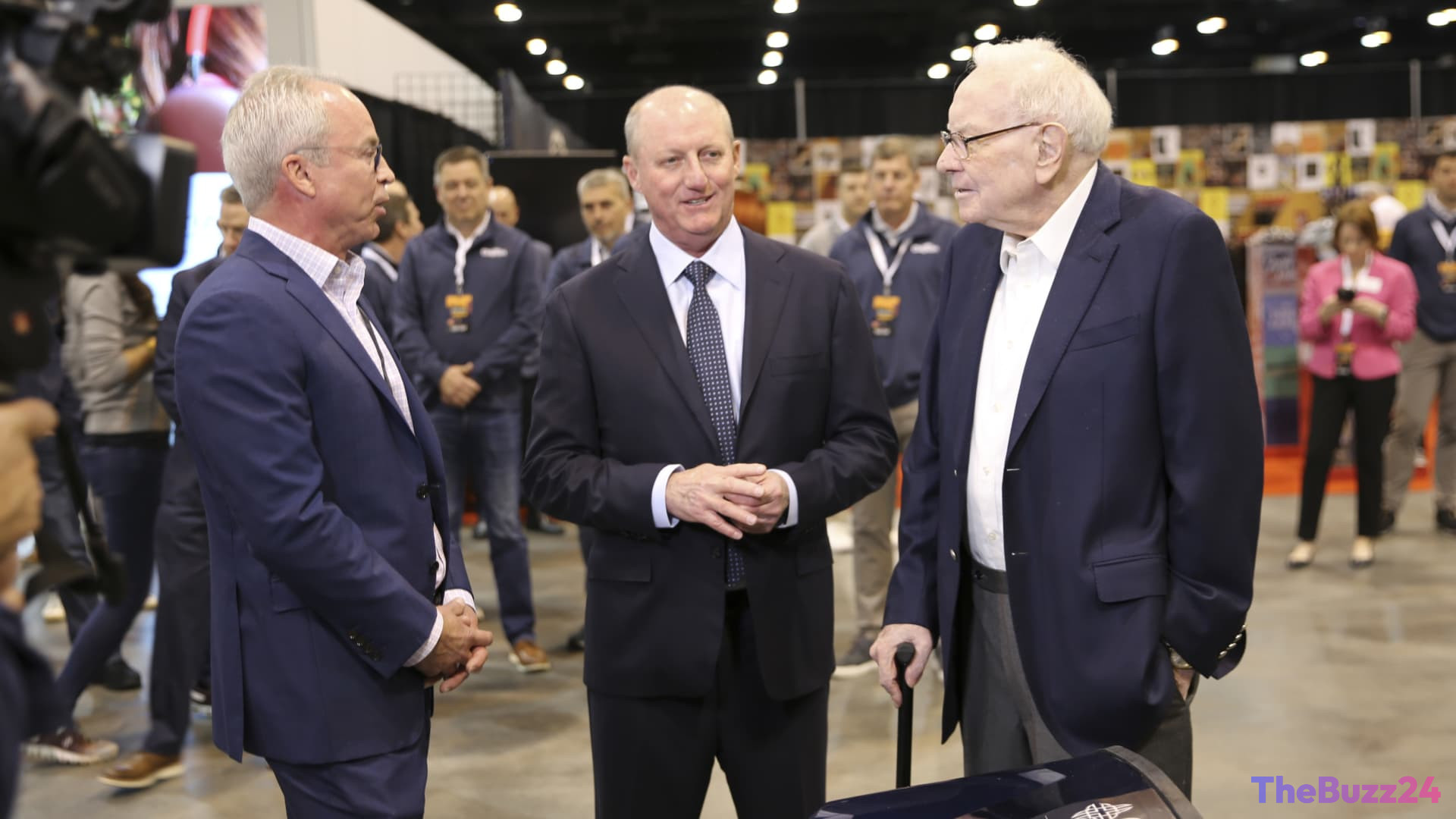
Navigating the New Berkshire Hathaway: Greg Abel’s Operational Overhaul
Berkshire Hathaway has officially entered a transformative chapter as CEO Greg Abel steers the conglomerate through its first full annual cycle of leadership. Since assuming the helm in early 2026, Abel has begun dismantling the long-standing, philosophy-driven management style that defined the firm for decades, replacing it with a more technical and operations-heavy framework. This structural pivot comes at a critical juncture, as the company seeks to regain momentum after trailing the S&P 500 by more than 30 percentage points since the succession transition was first announced.
Central to Abel’s strategy is the consolidation of power within the firm’s investment division. Following the departure of several high-profile investment managers, Abel has taken direct oversight of the company’s massive $300 billion equity portfolio. While supporters suggest this centralization will streamline decision-making and improve operational efficiency, skeptics are questioning whether a single executive can effectively manage such a sprawling array of subsidiaries while simultaneously navigating the complexities of a modern, volatile global economy.
As the firm faces mounting pressure from a softening insurance market and the broader need to modernize its traditional business model, the upcoming annual meeting is viewed as a litmus test for Abel’s leadership. With Berkshire Hathaway’s stock currently trading at a discount to its intrinsic value, investors are closely watching for updates on capital allocation and potential share buyback programs. Abel must now prove that the company can evolve into a high-speed, tech-integrated entity without losing the disciplined core that made it a financial powerhouse.
Key Takeaways
- Greg Abel has shifted Berkshire Hathaway toward a centralized, operations-focused management model.
- The firm is currently underperforming relative to the S&P 500, creating urgency for a strategic turnaround.
- Abel has assumed direct control of the company's $300 billion equity portfolio to drive efficiency.
Editor’s Analysis & Impact
The transition of Berkshire Hathaway from a personality-driven entity to a more conventional, operations-focused corporation is a watershed moment for the financial world. For decades, the firm’s value was inextricably linked to the unique investment philosophy of its leadership. Now, the market is testing whether the ‘Berkshire model’ can survive as a systematic, institutional process rather than a reflection of individual genius. The centralization of the investment portfolio under Abel suggests a desire for tighter control, but it also increases ‘key person risk’ in a new form. If Abel can successfully integrate modern technological efficiencies while maintaining the firm’s core discipline, Berkshire may regain its status as a market leader. However, failure to outperform the broader indices in the coming years could lead to increased pressure from institutional investors to break up the conglomerate or alter its long-standing capital allocation strategies.
Frequently Asked Questions
Q: Who is currently leading Berkshire Hathaway?
A: Greg Abel officially assumed the role of CEO in early 2026, taking over the leadership responsibilities previously held by Warren Buffett.
Q: How is the management style changing under the new leadership?
A: The company is shifting from an anecdotal, philosophy-driven management style to a more technical, operations-heavy, and centralized approach.
AI Disclosure: This article is based on verified data and official reports. Our Team and AI have cross-referenced every financial detail with primary sources to ensure total accuracy.
More from this Category