Beyond Apple: Vivo-Dixon JV Signals Next Chapter in India’s Manufacturing Ambitions
India has officially sanctioned a manufacturing joint venture between China’s Vivo and local electronics giant Dixon Technologies. This strategic approval is poised to usher in a new era for the country’s burgeoning smartphone manufacturing sector, building on the foundation laid by Apple, which has been instrumental in transforming India into a significant global production hub.
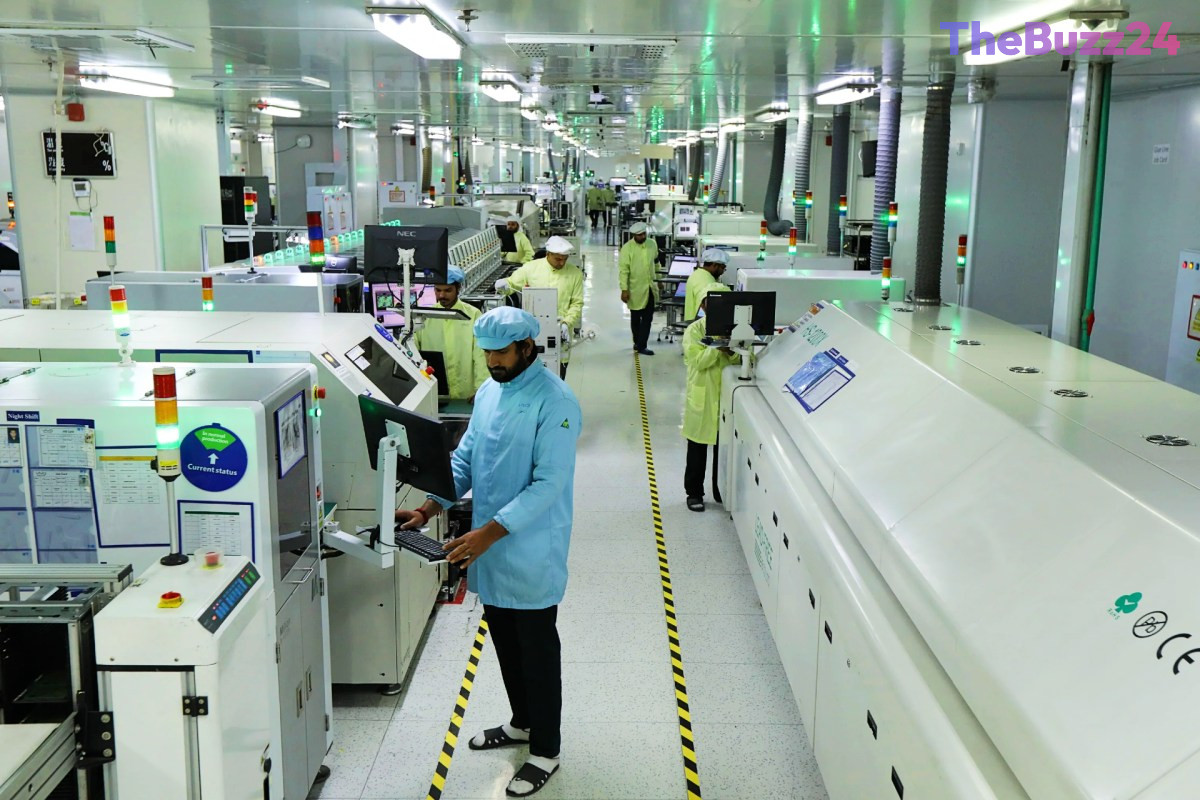
The green light enables Vivo to proceed with a manufacturing collaboration initially announced in December 2024, following New Delhi’s clearance under investment regulations introduced in 2020. These rules mandate heightened government scrutiny for investments originating from nations sharing a land border with India, a category that includes China. The joint venture will involve Dixon acquiring specific manufacturing assets from Vivo, undertaking the production of a portion of Vivo’s smartphone orders within India, and possessing the capability to manufacture electronic products for other brands, as detailed in a stock exchange filing by Noida-based Dixon.
This 51/49 venture, with Dixon holding the majority stake, exemplifies a broader trend among Chinese smartphone brands adapting their manufacturing strategies in India through local partnerships. Industry observers suggest that this ownership structure could become a blueprint for similar arrangements across the sector, thereby broadening India’s smartphone manufacturing narrative beyond its current reliance on Apple’s ecosystem. India has rapidly emerged as a key global smartphone manufacturing destination, largely due to Apple and its suppliers like Foxconn and Tata expanding iPhone production and diversifying supply chains away from China. Government incentives have further bolstered this growth, attracting global electronics manufacturers.
While Apple and its suppliers account for a substantial 57% of India’s smartphone exports by volume, Chinese brands dominate the domestic market with a 72% share but contribute less than 10% to exports. This disparity highlights a significant untapped potential if Chinese manufacturers increase their export activities from India. The shift towards local partnerships, such as the Dixon-Vivo venture, offers Chinese brands a more stable operational framework, aligning with India’s policy objectives for greater local participation in electronics manufacturing. Tarun Pathak, research director at Counterpoint Research, noted that this approval creates a mutually beneficial scenario, providing Vivo with better policy alignment and Dixon with the scale to enhance local value addition and pursue export opportunities. For Dixon, India’s largest electronics manufacturing services company, this venture is projected to add an annualized manufacturing volume of approximately 20 million to 22 million smartphones, based on Vivo’s current sales, according to Managing Director Atul Lall. This substantial volume increase underscores Dixon’s expanding role as a manufacturing partner for both global and Chinese smartphone brands in India, reinforcing its position as a reliable player in the country’s electronics development.
Key Takeaways
- India has approved a manufacturing joint venture between Vivo and Dixon Technologies, marking a new phase in its smartphone production growth.
- The 51/49 ownership structure, with Dixon as the majority stakeholder, reflects a strategic shift for Chinese brands navigating India's stricter investment regulations.
- This partnership is expected to significantly boost Dixon's manufacturing volumes and could serve as a template for other Chinese brands looking to expand production and exports from India.
Editor’s Analysis & Impact
The approval of the Vivo-Dixon joint venture signifies a pivotal moment for India’s electronics manufacturing sector, extending its growth trajectory beyond Apple’s established presence. This move validates India’s ‘Make in India’ initiative and its increasing appeal as a global production hub, particularly for companies seeking supply chain diversification. For Chinese brands, the majority-Indian-owned partnership model offers a pragmatic solution to navigate stricter investment rules and regulatory scrutiny, potentially becoming a template for future collaborations. The future outlook suggests a surge in local partnerships, which could substantially increase India’s overall smartphone export volume, fostering a more diversified and resilient manufacturing base. Broader implications include strengthening India’s position in global supply chains, attracting further foreign direct investment under similar structured agreements, and highlighting the evolving geopolitical and economic factors influencing global manufacturing strategies.
Frequently Asked Questions
Q: What is the significance of the Vivo-Dixon joint venture?
A: It marks a new phase in India's smartphone manufacturing growth, expanding beyond Apple's dominance and establishing a template for Chinese brands to operate under India's stricter investment rules through local partnerships.
Q: How does the ownership structure of the JV reflect current trends?
A: Dixon Technologies holds a 51% majority stake, with Vivo holding 49%. This structure is a direct response to India's tightened investment regulations for companies from bordering countries, offering Chinese brands a more stable operating model and aligning with India's push for local participation.
Q: What impact is this partnership expected to have on Dixon Technologies?
A: The venture is projected to add substantial annualized manufacturing volumes, estimated at 20-22 million smartphones, significantly boosting Dixon's growth and reinforcing its position as a leading electronics manufacturing services provider in India.
AI Disclosure: This article is based on verified data and official reports. Our Team and AI have cross-referenced every financial detail with primary sources to ensure total accuracy.
More from this Category