Beyond Automation: How Replit Envisions the Rise of the ‘Self-Driving Company’
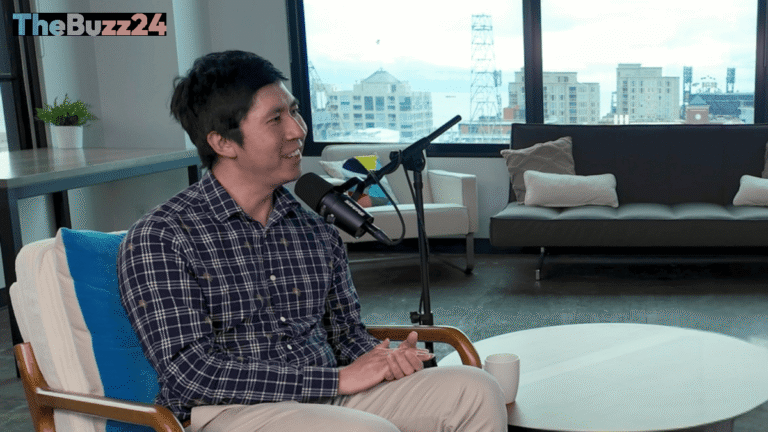
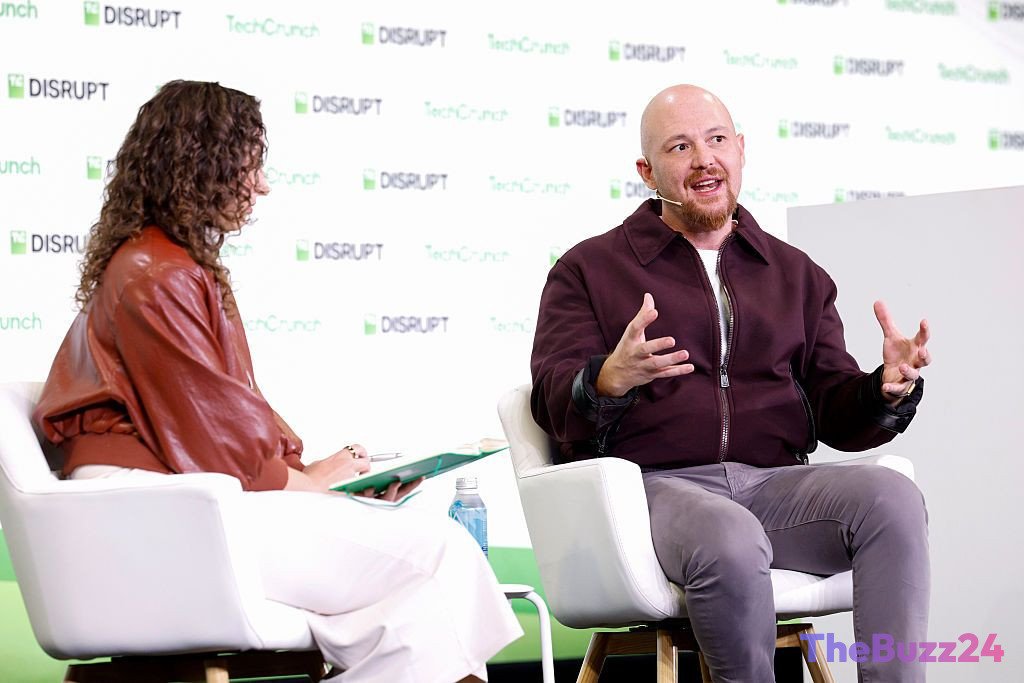
As artificial intelligence reshapes the tech landscape, enterprise operations are undergoing a quiet yet profound transformation. Speaking at a major technology summit in San Francisco, Replit Chief Executive and Co-Founder Amjad Masad outlined his vision for the “self-driving company”—an emerging corporate model where autonomous digital agents handle day-to-day operational execution while human workers focus on strategy, taste, and high-level decision-making.
Masad noted that while industry insiders are already experiencing substantial shifts in their daily routines, the broader global workforce remains largely unprepared for the velocity of this transition. Over the past year, as autonomous agents advanced in reliability, Replit restructured its internal operations around this dynamic, creating self-improving operational loops that delegate routine tasks to AI systems.
To illustrate the concept, Masad highlighted Replit’s customer support and engineering workflows. When support inquiries arrive, automated agents immediately triage the request by analyzing codebase data, GitHub issues, and Linear tracking tickets. By the time an engineer or support specialist opens the case, the system has already aggregated context and suggested solutions. With a single click, human operators can direct another agent to push code patches, keeping human oversight central to the process.
Rather than eliminating jobs, Masad argues that agentic workflows fundamentally elevate the nature of human labor. Staff members spend less time on repetitive grunt work and more time in collaborative discussions, designing system architecture, and determining strategic priorities. The paradigm shifts workers from manual executors to orchestrators, pointing toward a future where workplace automation fosters higher job satisfaction and greater creative focus.
Key Takeaways
- Replit CEO Amjad Masad defines the 'self-driving company' as an organization where autonomous AI agents manage routine operational tasks under human guidance.
- Internal processes at Replit demonstrate how agents triage support tickets, inspect codebases, and stage fixes, leaving final verification to human engineers.
- The ongoing integration of AI agents is shifting human roles toward strategic architectural design, system curation, and critical qualitative judgment.
Editor’s Analysis & Impact
The concept of a ‘self-driving company’ reflects the broader maturation of enterprise AI from static assistive copilots to proactive autonomous agents. In software development and technical operations, this transition compresses traditional development and triage cycles from hours to minutes. However, the model introduces new strategic imperatives: as execution becomes commoditized, competitive advantage will hinge almost entirely on human discernment, system architecture, and product taste. While optimistic forecasts suggest elevated employee fulfillment and reduced burnout, organizations will also need to address governance challenges, including algorithmic reliability, data security, and accountability when automated decisions go awry. Ultimately, firms that successfully weave humans into the loop as directors rather than cog operators will dominate the next decade of digital transformation.
Frequently Asked Questions
Q: What is meant by a 'self-driving company'?
A: A self-driving company is an enterprise where autonomous AI agents handle routine operational grunt work, such as triaging tickets, writing basic code, or coordinating workflows, while human professionals provide strategic direction and quality control.
Q: How does Replit currently implement autonomous agents?
A: Replit integrates agents into its support and engineering pipeline. The agents automatically review incoming tickets, cross-reference source code and issue trackers, and prepare technical patches that human engineers can inspect and deploy with one click.
Q: Does the rise of AI agents signal widespread job loss in tech?
A: According to industry perspective, agents are expected to alter the composition of work rather than replace human workers entirely. Routine tasks are automated, allowing employees to redirect their focus toward architectural planning, high-level design, and creative problem-solving.
AI Disclosure: This article is based on verified data and official reports. Our Team and AI have cross-referenced every financial detail with primary sources to ensure total accuracy.
More from this Category