Beyond Personal Ties: Dimitri de Vreeze’s Tough Decisions Reshape DSM-Firmenich
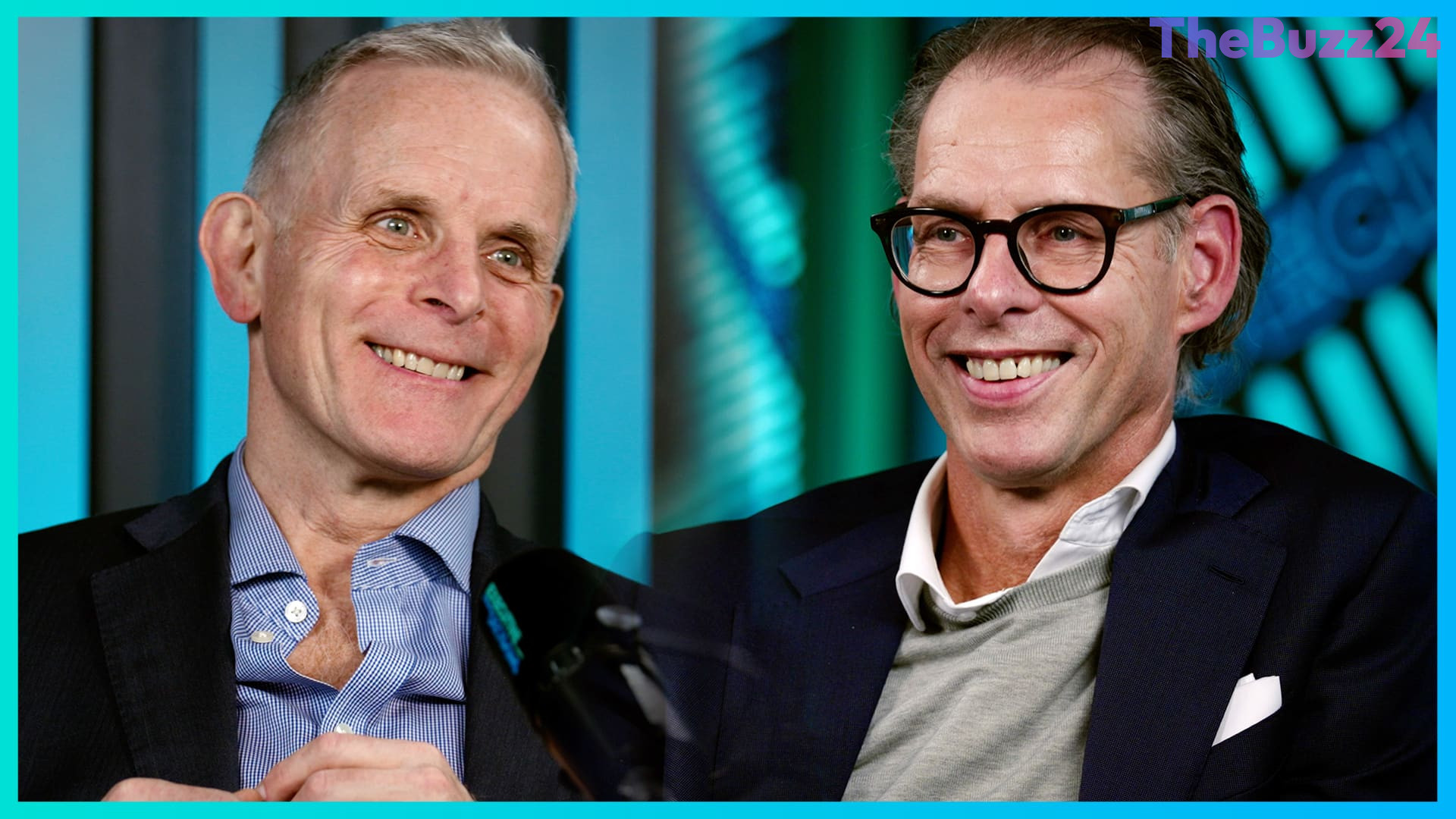
After dedicating over three decades to the science-based firm DSM, Dimitri de Vreeze, now CEO of DSM-Firmenich, confronted what he describes as the most challenging decision of his professional life: the divestment of the company’s materials business. This division was not merely a segment of the company; it was the very environment where de Vreeze had cultivated his career and expertise, making the strategic choice deeply personal.
The decision to sell the materials business, despite its profound personal resonance, was rooted in a clear strategic vision for the company’s future. De Vreeze’s journey with DSM began with an intention to stay only a few years, yet it evolved into a distinguished career marked by significant milestones. His leadership philosophy, shaped by strong family values and a distinct rebellious streak, consistently pushed him to question established norms and challenge what was already perceived as successful.
Throughout his tenure, de Vreeze has been at the helm of other pivotal corporate transformations, including the termination of a half-billion-dollar biofuels project and serving as co-CEO. He also played a crucial role in orchestrating the merger that ultimately formed DSM-Firmenich. These experiences reinforced his conviction that treating assumptions as facts can be one of the greatest risks in decision-making, advocating for a continuous re-evaluation of strategies and operations.
De Vreeze’s perspective underscores a leadership approach where success is not viewed as a final destination but rather an ongoing journey of adaptation and strategic evolution. His career exemplifies the necessity for leaders to make difficult, sometimes personally taxing, decisions that align with the long-term strategic health and direction of an organization, even when it means letting go of deeply familiar and successful ventures.
Key Takeaways
- Dimitri de Vreeze, CEO of DSM-Firmenich, made the difficult strategic decision to sell DSM's materials business, a division he had been deeply involved with for over three decades.
- The divestment, though personally challenging, was driven by strategic considerations for the company's future direction and evolution.
- De Vreeze's leadership style emphasizes continuously challenging existing assumptions, embracing a 'rebellious streak,' and viewing success as an ongoing journey rather than a fixed endpoint.
Editor’s Analysis & Impact
The strategic divestment of DSM’s materials business under Dimitri de Vreeze signals a significant pivot for DSM-Firmenich, likely towards higher-growth, more specialized, or sustainable sectors. This move could enhance the company’s agility and resource allocation, allowing for greater focus on innovation in its core strategic areas. The decision reflects a broader industry trend where large conglomerates streamline operations to adapt to dynamic market demands, potentially impacting competitive landscapes in both the divested and newly prioritized segments.
Looking ahead, this strategic reorientation positions DSM-Firmenich for a more focused and potentially more profitable future. De Vreeze’s experience highlights the increasing pressure on corporate leaders to make tough, often personally challenging, decisions for long-term strategic advantage. It underscores the critical importance of visionary leadership in navigating complex corporate transformations and the need to constantly re-evaluate business models in a rapidly evolving global economy.
Frequently Asked Questions
Q: What was the most significant decision Dimitri de Vreeze faced at DSM?
A: The most significant decision was the strategic divestment of DSM's materials business, a division where he had spent over three decades of his professional career.
Q: Why was the sale of the materials business considered a difficult decision for de Vreeze?
A: It was deeply personal because he had grown up professionally within that business over more than 30 years, making the strategic necessity of its sale a profound challenge.
Q: What is a core principle of Dimitri de Vreeze's leadership philosophy?
A: A core principle is to continuously challenge what is already working and to treat assumptions as potential risks, emphasizing constant adaptation and innovation rather than resting on past successes.
AI Disclosure: This article is based on verified data and official reports. Our Team and AI have cross-referenced every financial detail with primary sources to ensure total accuracy.
More from this Category