U.S. Denounces Escalating Aggression in South China Sea Following Violent Clash
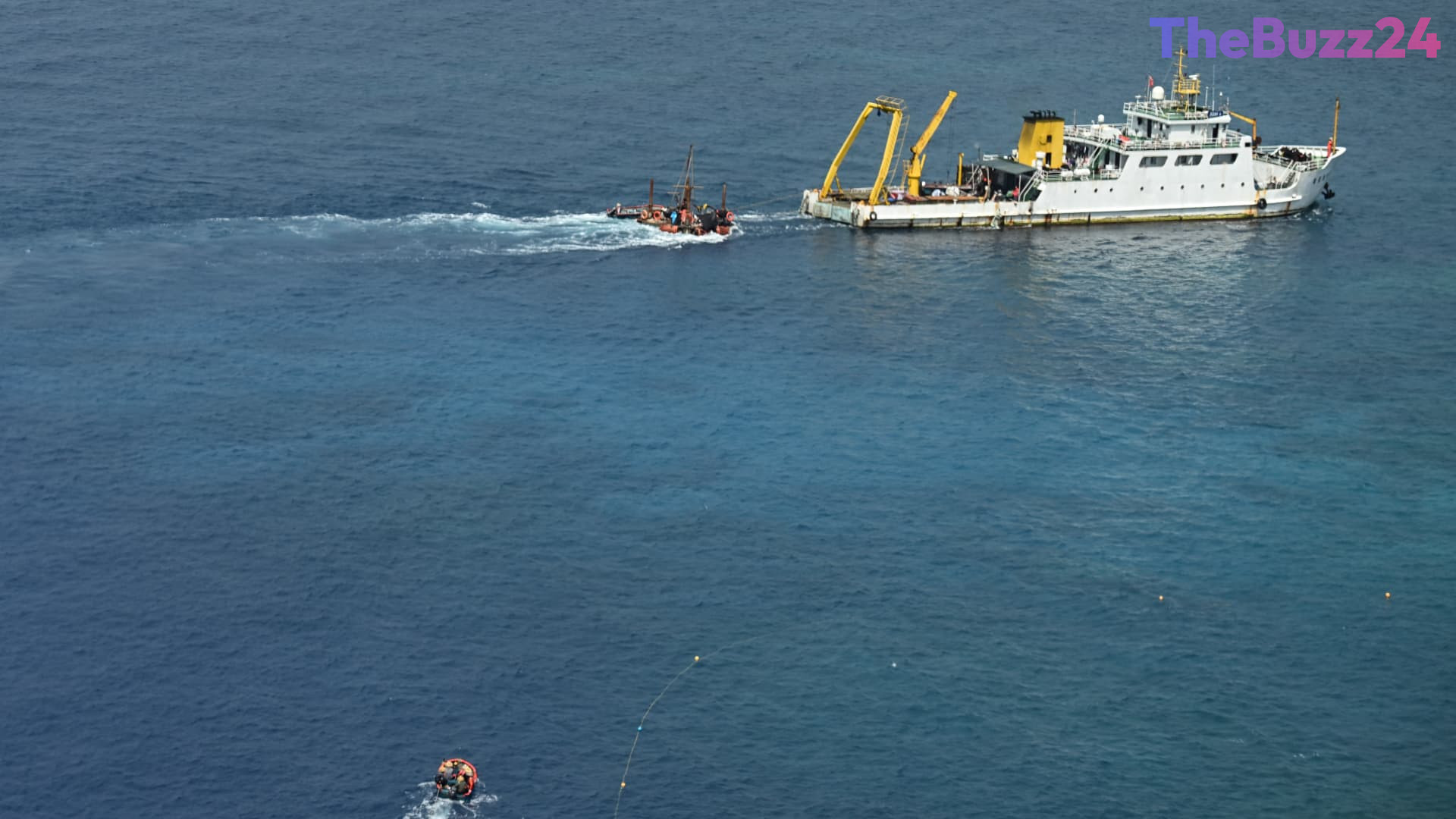
The United States has issued a sharp condemnation of China’s recent actions in the South China Sea, labeling the behavior as ‘dangerous and aggressive’ after a violent confrontation at the Second Thomas Shoal. According to reports from Manila, a Chinese coast guard officer physically assaulted a Filipino sailor with a wooden baton, resulting in injuries and significant damage to a Philippine navy rubber boat. This incident marks a severe escalation in the long-standing territorial dispute over the strategically vital waterway.
The clash occurred near the BRP Sierra Madre, a grounded warship that serves as a Philippine military outpost. While the Philippines maintains that its personnel were conducting routine operations, Chinese authorities have offered a conflicting account, alleging that Filipino forces initiated the aggression by ramming patrol vessels and utilizing weapons. This volatile encounter comes at a sensitive time, as regional diplomats gather in Manila for high-level meetings, with U.S. Secretary of State Marco Rubio scheduled to engage in discussions regarding regional security.
Washington has reaffirmed its commitment to the 1951 mutual defense treaty with the Philippines, warning Beijing to cease its destabilizing activities. The dispute remains one of the most significant flashpoints in global geopolitics, particularly as China continues to assert expansive claims that were invalidated by a 2016 international arbitral ruling. As diplomatic efforts intensify this week, the international community remains focused on whether these high-level talks can mitigate the risk of a broader military confrontation.
Key Takeaways
- A violent confrontation at the Second Thomas Shoal resulted in injuries to a Filipino sailor and damage to a Philippine navy vessel.
- The U.S. has formally condemned China's actions, citing the 1951 mutual defense treaty as a pillar of its support for the Philippines.
- The incident has heightened tensions ahead of critical diplomatic meetings in Manila involving U.S. and Chinese officials.
Editor’s Analysis & Impact
The recent escalation at the Second Thomas Shoal underscores the precarious nature of the South China Sea as a geopolitical flashpoint. By moving from non-kinetic tactics like water cannons and lasers to direct physical assault, the conflict has entered a more dangerous phase that tests the limits of the U.S.-Philippines mutual defense treaty. For the market and global trade, this instability poses a significant risk to one of the world’s most critical shipping lanes. Future outlooks suggest that unless a diplomatic framework is established to manage these encounters, the risk of accidental or intentional military escalation will continue to rise. The presence of high-level U.S. and Chinese officials in Manila provides a narrow window for de-escalation, but entrenched territorial claims suggest that long-term stability remains unlikely in the near term.
Frequently Asked Questions
Q: Why is the Second Thomas Shoal a point of contention?
A: The shoal lies within the Philippines' exclusive economic zone, but China claims sovereignty over the area, leading to frequent confrontations over resupply missions to the BRP Sierra Madre.
Q: What is the significance of the 1951 mutual defense treaty?
A: The treaty binds the United States to assist the Philippines in the event of an armed attack, meaning significant escalations in the South China Sea could potentially draw the U.S. into a direct military conflict.
AI Disclosure: This article is based on verified data and official reports. Our Team and AI have cross-referenced every financial detail with primary sources to ensure total accuracy.
More from this Category