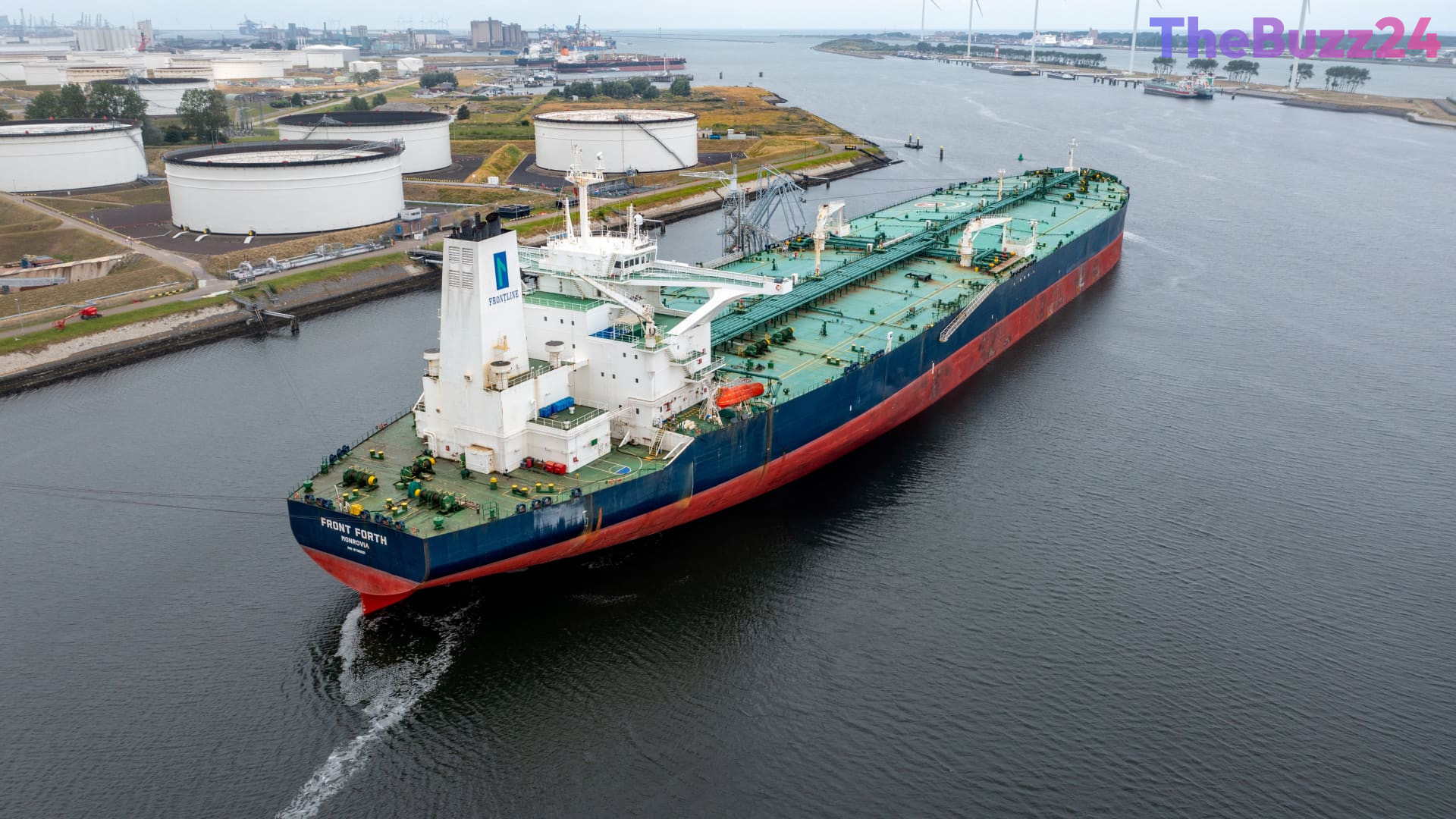
Global Energy Markets on Edge as Strait of Hormuz Traffic Plummets
Maritime traffic through the Strait of Hormuz has experienced a dramatic decline following the implementation of a U.S.-led blockade and a surge in military hostilities between the United States and Iran. As one of the world’s most critical energy corridors, the waterway is responsible for transporting approximately one-fifth of global oil consumption. The recent escalation in strikes and the declaration of a maritime ban by Tehran have forced international shipowners to rapidly reassess the risks associated with navigating the Gulf.
Data indicates that vessel transits have dropped by more than 60% in a single week, with tanker and gas carrier movements seeing the most significant impact. This sharp downturn effectively reverses the progress made during a brief mid-June ceasefire, which had previously encouraged a normalization of shipping routes. While some vessels continue to transit the area, the volume has fallen to a fraction of pre-conflict levels, with many mainstream operators choosing to avoid the region entirely to mitigate security risks.
Industry analysts suggest that the current environment is characterized by extreme volatility, with shipping activity likely to fluctuate based on short-term perceptions of safety. While the strait has not closed entirely, the dominance of Iran-linked and sanctioned vessels in the remaining traffic highlights a broader withdrawal by international commercial fleets. The ongoing instability has raised significant concerns regarding global energy security and the potential for further price shocks if the conflict continues to disrupt supply chains.
Key Takeaways
- Vessel traffic through the Strait of Hormuz has dropped by over 60% due to renewed U.S.-Iran hostilities and a maritime blockade.
- The decline in shipping activity threatens the flow of approximately 20% of the world's oil supply, raising concerns about global energy prices.
- Mainstream international shipping companies are largely avoiding the region, leaving the remaining traffic dominated by Iran-linked or sanctioned vessels.
Editor’s Analysis & Impact
The sudden contraction of traffic in the Strait of Hormuz represents a significant systemic risk to global energy markets. By choking off one of the world’s most vital maritime chokepoints, the current geopolitical standoff is creating a supply-side shock that could lead to sustained price volatility. If the blockade persists, we anticipate a shift in global trade patterns as energy importers seek alternative, albeit more expensive, supply routes. The long-term implication is a potential re-rating of energy security premiums, where the cost of oil will increasingly reflect the ‘geopolitical risk’ of transit rather than just supply and demand fundamentals. Should the conflict escalate to include regional energy infrastructure, the market could see oil prices testing the $100 per barrel threshold, forcing central banks to contend with renewed inflationary pressures.
Frequently Asked Questions
Q: Why is the Strait of Hormuz so important to the global economy?
A: The Strait of Hormuz is a critical maritime chokepoint that handles roughly 20% of the world's total oil consumption, making it essential for global energy stability.
Q: What is the primary reason for the drop in shipping traffic?
A: The decline is driven by a combination of a U.S.-led blockade, renewed military strikes between the U.S. and Iran, and a maritime ban issued by Tehran, which have made the route too risky for many commercial operators.
AI Disclosure: This article is based on verified data and official reports. Our Team and AI have cross-referenced every financial detail with primary sources to ensure total accuracy.
More from this Category