Brent Crude Approaches $100 as U.S.-Iran Conflict Escalates Supply Fears
Crude oil prices advanced sharply this week, driven by escalating military tensions between the United States and Iran that have intensified fears of severe disruptions to Middle East energy supplies. West Texas Intermediate futures for October delivery climbed 1.75% to reach $94.66 per barrel, while international benchmark Brent crude rose 1.55% to trade at $99.44 a barrel, creeping closer to the psychological $100 threshold.
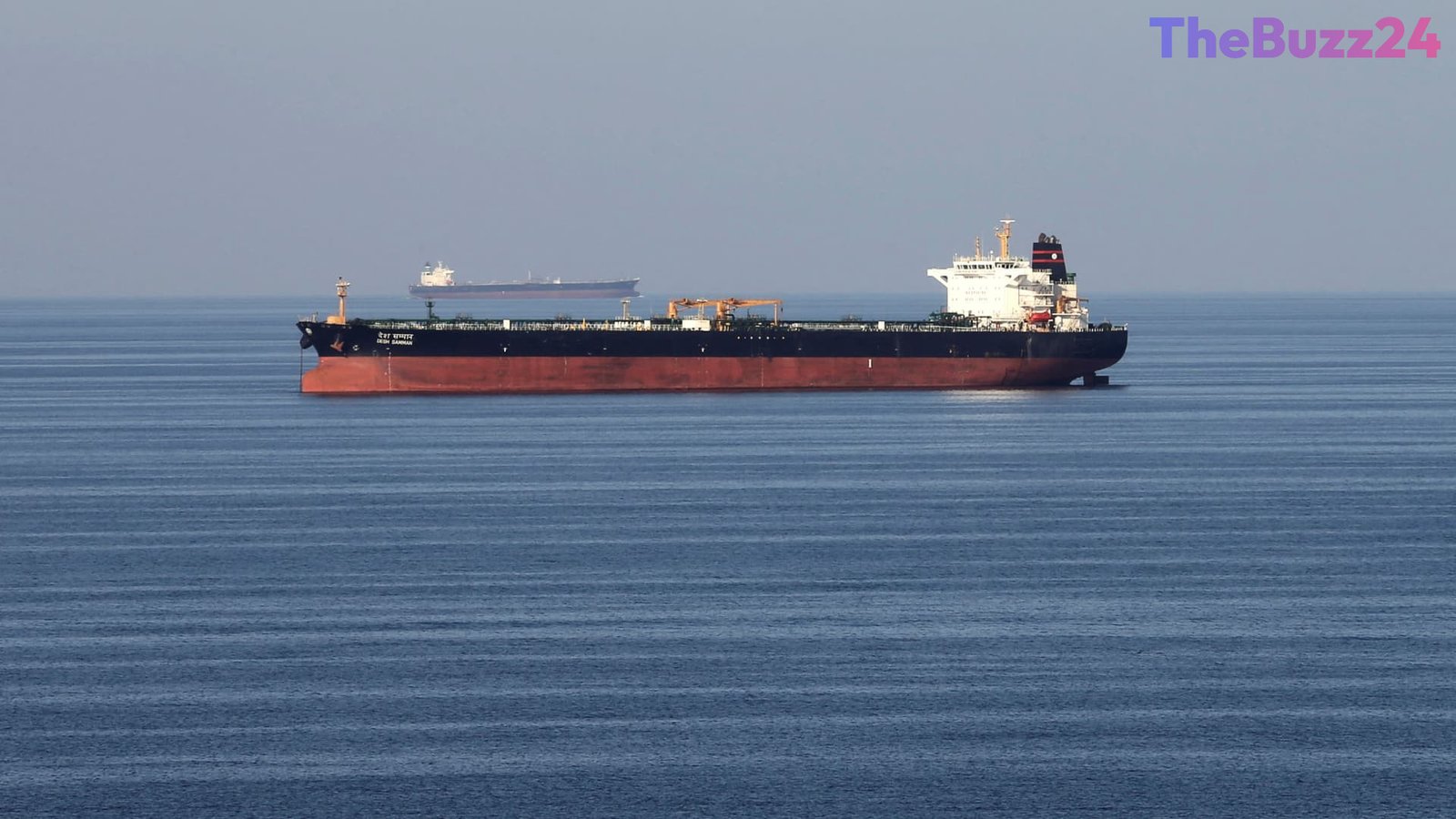
The upward pressure on commodities follows a significant military engagement in which U.S. forces destroyed five Iranian crude tankers. The strike served as retaliation for failed attacks targeting an American warship in the region. Although the targeted warship successfully evaded the assault and no American personnel sustained injuries, the kinetic exchange highlights the fragile security situation governing vital maritime energy corridors.
Financial institutions have begun revising their risk models in response to the deteriorating geopolitical landscape. Analysts at Goldman Sachs noted that the persistent escalation in shipping attacks elevates the probability of Brent crude breaking past $120 a barrel. While the firm’s baseline forecast still anticipates a gradual recovery in Persian Gulf exports via alternative shipping lanes and pipeline expansions, the mounting frequency of hostilities threatens to keep global energy markets volatile for the foreseeable future.
Key Takeaways
- Brent crude is nearing $100 a barrel, driven by escalating conflict between the U.S. and Iran.
- U.S. military forces destroyed five Iranian crude tankers following attempted attacks on an American warship.
- Major financial analysts warn that intensifying shipping disruptions could push Brent crude prices past $120 a barrel.
Editor’s Analysis & Impact
The latest escalation in the U.S.-Iran conflict underscores the acute vulnerability of global energy supply chains to geopolitical shocks. With crude prices hovering near the $100 mark, inflationary pressures could soon ripple across the broader global economy, impacting transportation, manufacturing, and consumer goods. While major financial institutions maintain that alternative shipping routes and pipeline adaptations could eventually stabilize Persian Gulf exports, the widening scope of maritime attacks introduces a severe upside risk to commodity prices. If military actions continue to disrupt regional shipping lanes, central banks may find themselves grappling with renewed energy-driven inflation, complicating monetary policy and prolonging economic uncertainty worldwide.
Frequently Asked Questions
Q: Why are oil prices currently rising?
A: Oil prices are increasing due to escalating military tensions between the United States and Iran, which have heightened concerns over potential disruptions to Middle East energy supplies and maritime shipping.
Q: How have the benchmarks reacted to the recent tensions?
A: West Texas Intermediate futures rose 1.75% to $94.66 a barrel, while Brent crude futures added 1.55% to reach $99.44 a barrel, moving close to the $100 threshold.
Q: What is the outlook for crude prices if the conflict persists?
A: Financial analysts warn that if shipping attacks intensify and regional exports fail to recover, there is a growing probability that Brent crude could surge past $120 a barrel.
AI Disclosure: This article is based on verified data and official reports. Our Team and AI have cross-referenced every financial detail with primary sources to ensure total accuracy.
More from this Category