Beyond the Road: GM’s Strategic Bet on Sodium-Ion Batteries Amid Energy Storage Boom
The energy storage market is experiencing an unprecedented surge, with sales of large, stationary batteries doubling in the past two years and showing no signs of slowing. This rapid expansion is fueled by a confluence of factors, most notably the escalating energy demands of new data centers supporting artificial intelligence, alongside the broader electrification of industries spanning transportation, manufacturing, and HVAC systems. Industry projections from the Solar Energy Industries Association anticipate annual installations to exceed 110 GWh by 2030, a significant increase from current levels, underscoring the immense potential within this evolving sector.
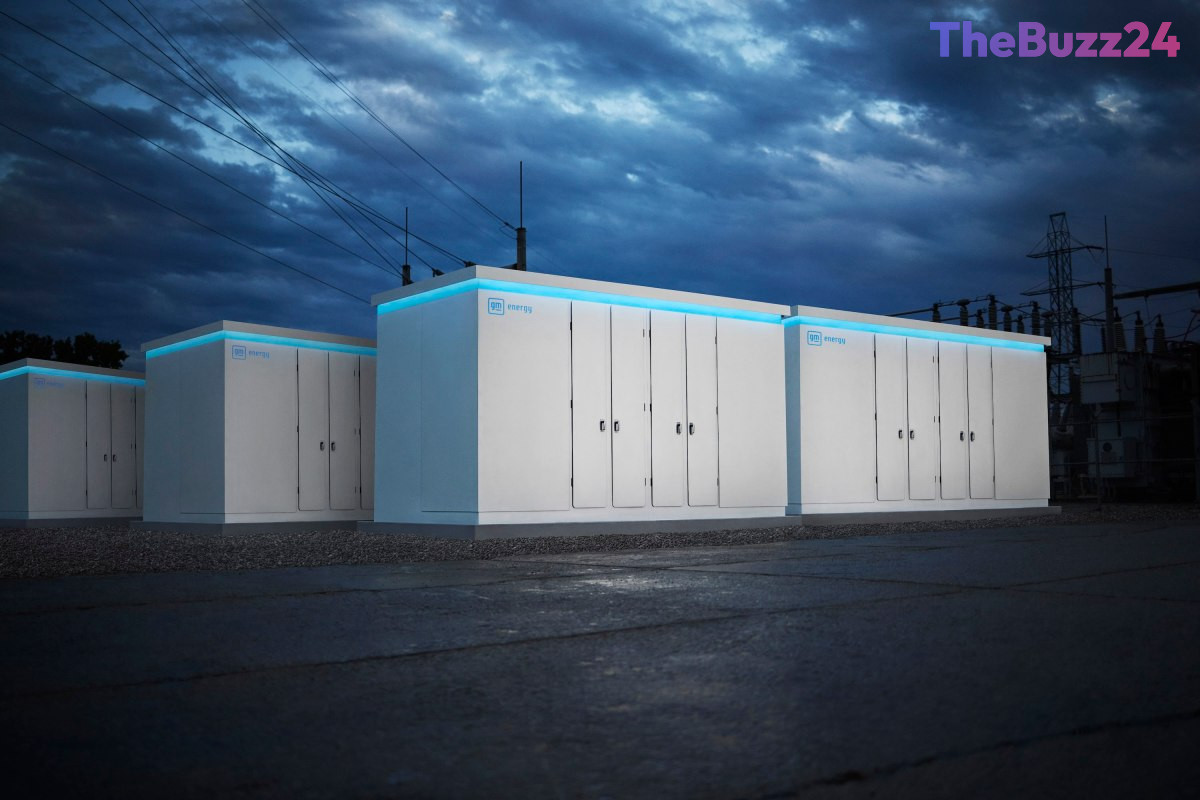
Amidst this burgeoning market, General Motors (GM) is making a strategic pivot, unveiling plans for an entirely new sodium-ion battery chemistry aimed at capturing a significant share of the energy storage landscape. While GM has previously explored energy storage, this move represents a more substantial commitment. The automaker’s decision to develop sodium-ion cells, expected to be ready later this decade, is rooted in the chemistry’s inherent advantages: its reliance on cheap and abundant materials, the absence of a need for active cooling systems, and its superior cycle life compared to traditional lithium-ion batteries. This approach also offers a path toward greater supply chain resilience, reducing dependence on materials often controlled by a single region.
This strategic direction contrasts with some competitors who have repurposed existing lithium-ion cell production for energy storage. GM, however, remains bullish on the future of electric vehicles (EVs) and aims to preserve its lithium-ion manufacturing capacity to avoid being caught unprepared for a potential resurgence in EV demand. The current energy storage market is already highly competitive, with Tesla holding a dominant position, responsible for 82% of the 57 gigawatt-hours installed last year and reporting robust profits from its Megapack and Powerwall installations. Other startups like Base Power and Lunar Energy are also attracting substantial investment to develop solutions for grid-scale and residential energy storage.
Beyond stationary applications, sodium-ion technology also holds promise for the automotive industry, particularly for lower-cost EVs. While current sodium-ion packs may result in heavier vehicles with less range, their affordability, reduced fire risk, and potential for rapid charging present an attractive combination. GM is also advancing other battery chemistries, such as lithium-manganese-rich (LMR), slated for a 2028 debut, which aims to cut EV costs by approximately 10% and bring them closer to price parity with internal combustion engine vehicles. Despite the deliberate pace of its sodium-ion rollout, GM acknowledges the urgency of the market and is actively exploring avenues to accelerate its entry, confident that a superior product will ultimately prevail regardless of market fluctuations.
Key Takeaways
- The energy storage market is booming, driven by AI data centers and electrification, with projections for significant growth by 2030.
- GM is strategically entering this market with a new sodium-ion battery chemistry, prioritizing cost-effectiveness, material abundance, and supply chain resilience over immediate lithium-ion deployment.
- Tesla currently dominates the energy storage sector, but GM's long-term bet on sodium-ion and other advanced chemistries like LMR aims to secure its position in both stationary storage and future EV markets.
Editor’s Analysis & Impact
This news highlights a pivotal shift in the automotive industry, with major players like GM recognizing the immense potential beyond traditional vehicle manufacturing. The explosive growth in energy storage, fueled by AI and electrification, presents a lucrative new frontier. GM’s calculated move into sodium-ion batteries, despite its later market entry, reflects a strategic long-term vision focused on cost efficiency, material security, and supply chain diversification—critical factors for sustainable growth. While Tesla currently enjoys a significant lead, GM’s investment in alternative chemistries like LMR for EVs and sodium-ion for storage could reshape market dynamics. This diversification not only mitigates risks associated with a single technology but also positions GM to capitalize on the broader energy transition, potentially disrupting established market shares and accelerating the adoption of more affordable and resilient energy solutions.
Frequently Asked Questions
Q: What is driving the current boom in the energy storage market?
A: The primary drivers are the rapidly increasing energy demands from new data centers supporting artificial intelligence, coupled with the widespread electrification of various economic sectors such as transportation, manufacturing, and HVAC systems.
Q: Why is GM investing in sodium-ion battery technology for energy storage?
A: GM is focusing on sodium-ion batteries due to their advantages, including the use of cheap and abundant materials, the elimination of active cooling systems, and a longer cycle life compared to lithium-ion batteries. This strategy also aims to enhance supply chain resilience and reduce material costs.
Q: How does GM's strategy compare to other companies in the energy storage market?
A: While companies like Tesla have largely leveraged existing lithium-ion production for energy storage, GM is developing a distinct sodium-ion chemistry. This allows GM to preserve its lithium-ion capacity for future EV demand while pursuing a cost-effective, long-term solution for stationary storage, aiming for supply chain independence.
AI Disclosure: This article is based on verified data and official reports. Our Team and AI have cross-referenced every financial detail with primary sources to ensure total accuracy.
More from this Category