Bill Gates Expresses Profound Regret Over Jeffrey Epstein Association in Congressional Testimony
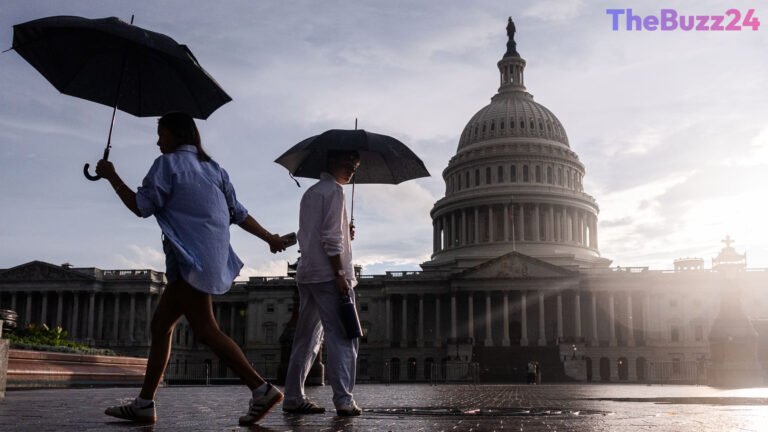
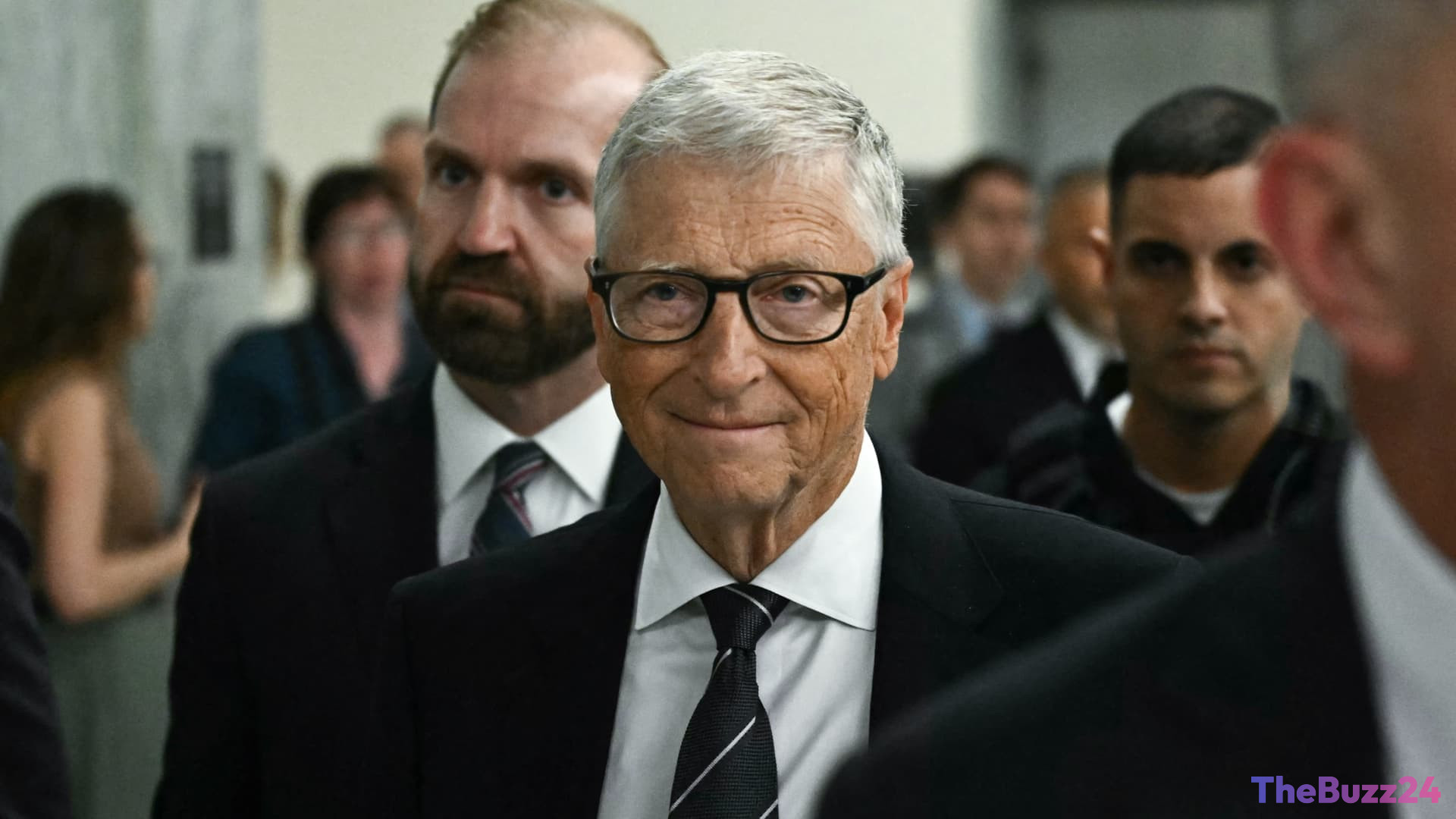
Microsoft co-founder Bill Gates recently appeared before a House committee, where he expressed deep regret regarding his past association with convicted sex offender Jeffrey Epstein. Testifying behind closed doors, Gates later posted an opening statement online, acknowledging the significant error in judgment that led to their interactions.
Gates clarified that his initial meetings with Epstein, which began in 2011, were driven by a desire to secure philanthropic funding for the Gates Foundation’s global health initiatives. These interactions occurred three years after Epstein’s conviction in Florida for soliciting an underage girl for prostitution. Despite the philanthropic intent, Gates stated unequivocally that no donations ever materialized from these discussions. He also firmly denied witnessing any criminal conduct by Epstein or engaging in any illicit activities himself, asserting that he never visited Epstein’s infamous island, ranch, or Florida home.
The billionaire further revealed that Epstein later attempted to leverage sensitive personal information, including details about Gates’ marital infidelities, to pressure him into re-engaging. Gates stated this effort was unsuccessful and that he ceased all communication with Epstein by 2014 after realizing that Epstein’s promises of significant philanthropic support were a “dead-end.” Gates expressed profound sorrow for the potential damage his association with Epstein caused to the Gates Foundation’s reputation, emphasizing that “reputation is the basis for developing partnerships that save lives.”
This testimony is part of an ongoing congressional investigation into Epstein’s extensive network, which has also included questioning Epstein’s former executive assistant, Lesley Groff. Committee members, including Rep. James Comer and Rep. Robert Garcia, have indicated a strong interest in understanding the full scope of Epstein’s connections and related communications. Gates has publicly supported the release of all Epstein files, hoping it will aid in achieving justice for the survivors of Epstein’s crimes. The broader implications of Epstein’s manipulative tactics have also been highlighted by figures like Warren Buffett, who described Epstein as a con man exploiting others’ weaknesses.
Key Takeaways
- Bill Gates testified before a House committee, expressing deep regret for his association with Jeffrey Epstein, stating he "should never have met" him.
- Gates clarified that his interactions with Epstein, which began in 2011 for philanthropic fundraising, never resulted in donations, and he denied witnessing any criminal conduct or victimizing anyone.
- Epstein reportedly attempted to leverage information about Gates' personal life, including marital infidelity, to maintain their association, an effort Gates stated was unsuccessful.
Editor’s Analysis & Impact
Bill Gates’ testimony underscores the significant reputational risks high-profile individuals and their philanthropic organizations face when associating with controversial figures. The incident highlights the critical importance of rigorous due diligence, even when pursuing noble goals like global health initiatives. For the Gates Foundation, a leading philanthropic entity, the association with Epstein presented a substantial challenge to its credibility and ability to forge partnerships. This event will likely prompt increased scrutiny on the vetting processes within major foundations and corporations. The ongoing congressional investigation and the potential release of more Epstein files suggest that public figures will continue to face questions about their past connections, reinforcing the need for transparency and accountability in all professional and personal dealings. The broader implication is a stark reminder of how manipulative individuals can exploit access and reputation for their own nefarious agendas.
Frequently Asked Questions
Q: Why did Bill Gates meet with Jeffrey Epstein?
A: Bill Gates stated he initially met with Jeffrey Epstein in 2011 to explore potential fundraising opportunities for his philanthropic Gates Foundation, specifically for global health initiatives.
Q: Did Bill Gates provide any funds to Epstein or his ventures?
A: Gates explicitly stated that his interactions with Epstein never resulted in any donations or the creation of any charitable giving vehicles.
Q: What was the outcome of Gates' testimony to the House committee?
A: Gates expressed profound regret for his association with Epstein, denied witnessing any criminal conduct, and stated he ceased communication with Epstein by 2014 after realizing his promises of philanthropic support were a "dead-end." A transcript of his testimony is expected to be released.
AI Disclosure: This article is based on verified data and official reports. Our Team and AI have cross-referenced every financial detail with primary sources to ensure total accuracy.
More from this Category