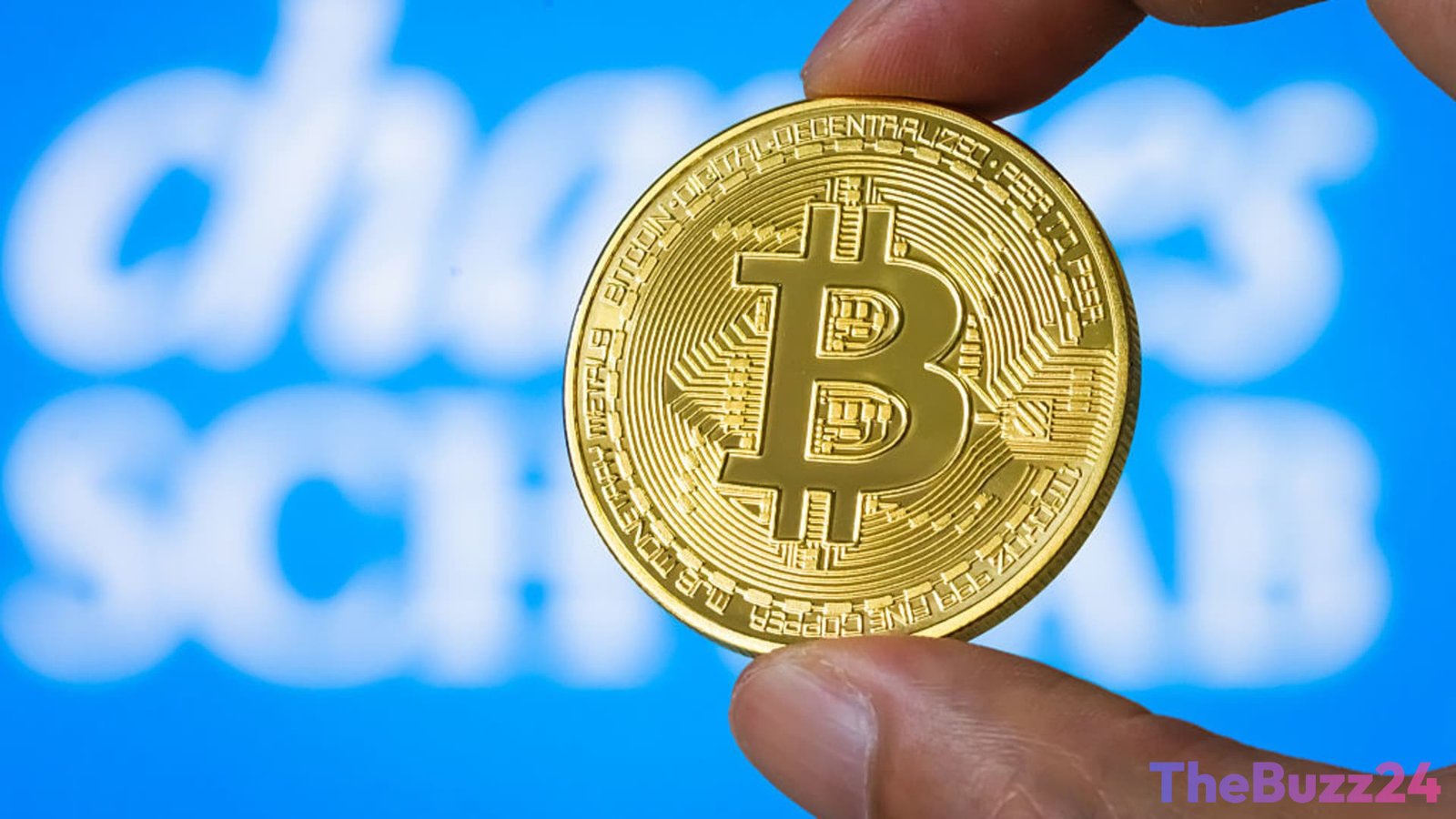
Bitcoin Surges Past $80,000 as Inflation Fears Fuel Crypto Rally
The cryptocurrency market is experiencing a significant upswing, with Bitcoin leading the charge and surpassing the $80,000 mark. This surge marks a notable recovery for the flagship digital asset, which had been trading within a range for an extended period. The renewed investor interest appears to be driven by growing concerns over inflation and the fiscal deficit in major economies.
Bitcoin’s price saw an increase of over 1% on Monday, reaching levels not observed since May. Alongside Bitcoin, Ether also posted gains, rising 2% to approximately $2,470, nearing its highest point since January. The positive momentum extended to crypto-related stocks, with companies like Strive and Strategy experiencing notable jumps in their share prices. Treasury-focused crypto stocks such as Bitmine and Sharplink also saw significant gains, reflecting the broader market’s upward trend.
This rally has sparked optimism among investors, who are questioning whether this marks a turning point for Bitcoin after a prolonged slump since October. Historically, this period of the year has often been favorable for the cryptocurrency. Analysts have drawn parallels to January 2023, when Bitcoin experienced a similar surge, though that rally eventually faded. The current upward movement follows a significant macro shift last week, including a substantial short squeeze that propelled Bitcoin’s price by over 20% in three days – its most significant gain since 2023. This shift was partly triggered by the U.S. Treasury’s announcement to double purchases of longer-dated government bonds, which temporarily lowered yields and boosted demand for risk assets like Bitcoin and gold.
Institutional demand has also played a crucial role, with spot Bitcoin ETFs recording their largest weekly inflows since October, totaling $1.92 billion. Concurrently, over $4 billion in bearish crypto positions were liquidated as prices climbed. Adding to the positive sentiment, Bridgewater Associates founder Ray Dalio advised investors to hold a portion of Bitcoin, citing potential debt crises in major economies within the coming years, further reinforcing the digital asset’s appeal.
Key Takeaways
- Bitcoin's price has surged past $80,000, reaching levels not seen since May, driven by inflation and fiscal deficit concerns.
- The rally is supported by significant institutional inflows into spot Bitcoin ETFs and a large liquidation of bearish positions.
- Macroeconomic shifts, including the U.S. Treasury's bond purchase plans and warnings about potential debt crises, are fueling demand for Bitcoin as a risk and scarce asset.
Editor’s Analysis & Impact
The recent surge in Bitcoin’s price, breaking key resistance levels, signals a potential shift in market sentiment. The confluence of macroeconomic factors, including inflation concerns and the U.S. Treasury’s fiscal policies, alongside renewed institutional interest via ETFs, creates a potent cocktail for further upside. While historical parallels suggest caution, the current environment, amplified by warnings of global debt issues, positions Bitcoin as an increasingly attractive hedge. The market will be closely watching if this momentum can be sustained, potentially marking a significant turning point after a prolonged period of consolidation.
Frequently Asked Questions
Q: What caused the recent surge in Bitcoin's price?
A: The surge is attributed to a combination of factors, including growing investor concerns about inflation and fiscal deficits, a significant short squeeze, increased institutional demand through spot Bitcoin ETFs, and macroeconomic shifts like the U.S. Treasury's bond purchase plans. Warnings about potential global debt crises also contributed to Bitcoin's appeal as a risk asset.
Q: Are crypto stocks also benefiting from this rally?
A: Yes, crypto-related stocks have followed the upward trend of major cryptocurrencies like Bitcoin and Ether. Companies with exposure to the crypto market have seen their share prices increase, indicating a broad positive sentiment across the digital asset ecosystem.
Q: What is the significance of the U.S. Treasury's announcement on bond purchases?
A: The Treasury's decision to double its purchases of longer-dated government bonds led to a temporary decrease in yields. This reduction in yields made riskier assets, such as Bitcoin, and other scarce assets like gold, more attractive to investors, thereby contributing to the crypto rally.
AI Disclosure: This article is based on verified data and official reports. Our Team and AI have cross-referenced every financial detail with primary sources to ensure total accuracy.
More from this Category