Black Sea Tensions Escalate as Ukrainian Strikes Hit Russian Port and Grain Facilities
In a significant escalation of maritime conflict, a combined drone and missile assault targeted the critical Russian Black Sea naval and export hub of Novorossiysk. The strike resulted in structural damage to vital grain facilities and multiple military vessels in the bay area, heightening anxiety across international agricultural markets regarding future supply chain stability.
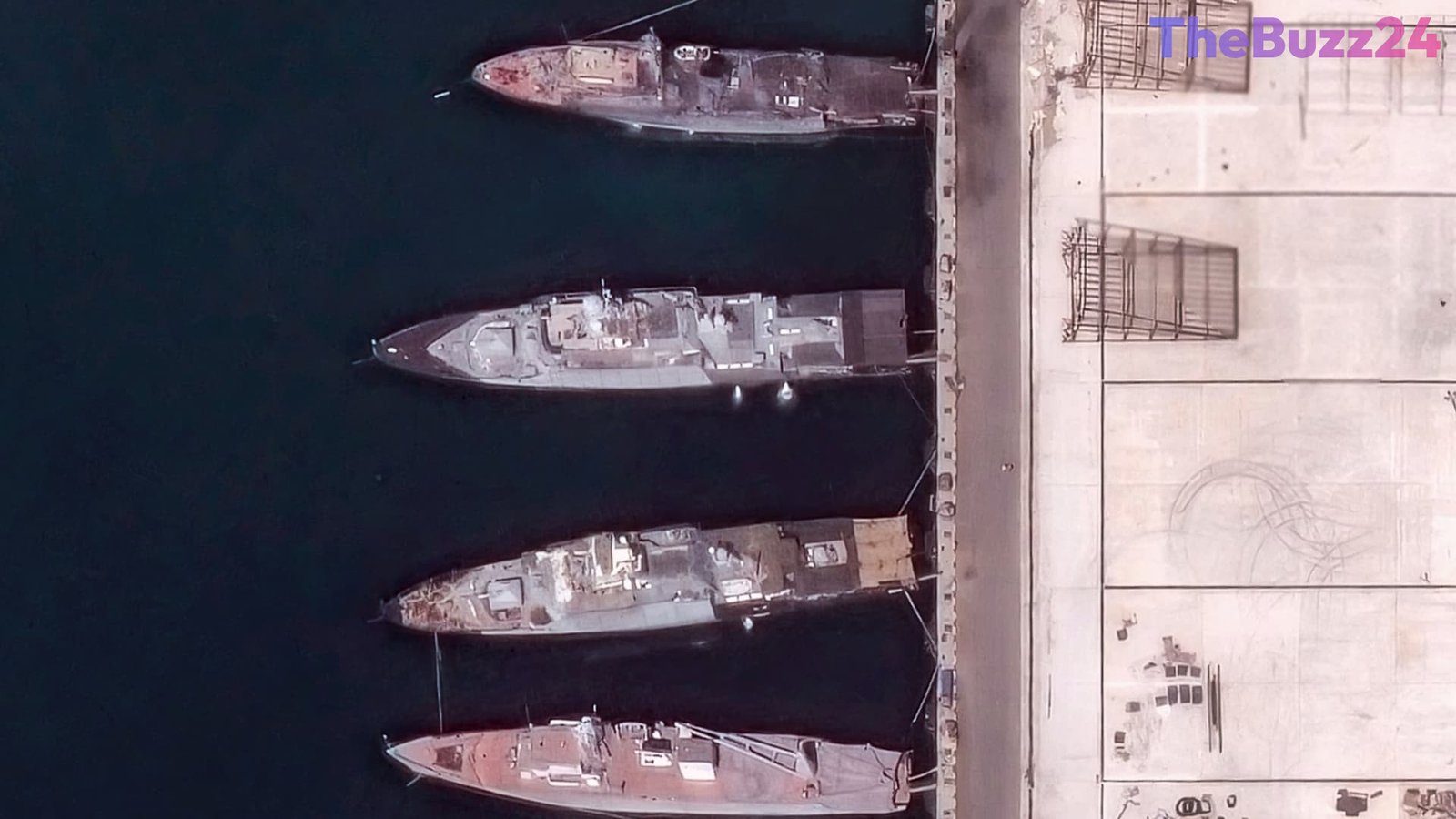
Local authorities reported that three individuals, including a child, tragically lost their lives during the assault, with dozens more sustaining injuries. Ukrainian leadership confirmed the operation, highlighting the deployment of long-range drones and specialized weaponry designed to neutralize strategic naval assets within the heavily defended port. Among the vessels reportedly impacted were key Russian frigates and landing ships, alongside infrastructure deemed instrumental to sustaining military operations.
As the world’s leading wheat exporter, Russia faced immediate logistical challenges following the port damage. Agricultural ministries and domestic trading firms indicated that cargo flows are being actively rerouted toward alternative terminals in the Baltic and Caspian Seas, as well as overland transport networks. However, industry analysts note that these adjustments are unlikely to fully offset potential export delays, compounding an already sluggish shipping season that began with reduced volumes in July and August.
The intensification of hostilities in the Black Sea has drawn sharp international concern over global food security. Officials in Moscow condemned the operation, arguing that targeting vital export infrastructure deliberately destabilizes international commodity markets and places disproportionate financial burdens on developing nations dependent on affordable grain imports. Conversely, the ongoing tit-for-tat targeting of agricultural and naval assets by both nations continues to drive price volatility, threatening food availability across vulnerable regions in Asia and Africa.
Key Takeaways
- Ukraine launched a major drone and missile strike on the Russian Black Sea port city of Novorossiysk, hitting both naval vessels and grain export infrastructure.
- The attack caused fatalities and infrastructure damage, prompting Russia to divert agricultural cargo to Baltic, Caspian, and overland routes.
- The ongoing conflict in the Black Sea continues to threaten global food security and drive up international wheat prices.
Editor’s Analysis & Impact
The recent escalation of strikes on Black Sea export hubs underscores the fragile nature of global agricultural supply chains, particularly for wheat and fertilizers. As Russia and Ukraine continue to target each other’s maritime and logistical infrastructure, international commodity markets face renewed volatility. The diversion of Russian grain to alternative ports and land routes will likely increase shipping costs and lead times, exerting upward pressure on global food prices. This dynamic poses significant inflationary risks and supply concerns for importing nations, especially in regions like the Global South and East that rely heavily on Black Sea grain exports. Long-term, sustained disruptions in this corridor could force permanent shifts in global trade routes and agricultural sourcing strategies.
Frequently Asked Questions
Q: Which port city was targeted in the recent Ukrainian attack?
A: The attack targeted Novorossiysk, a major Russian naval and export hub located on the Black Sea.
Q: How is Russia responding to the damage at its Black Sea grain facilities?
A: Russia's Agriculture Ministry is attempting to redirect agricultural cargo flows to alternative ports in the Baltic and Caspian Seas, as well as utilizing land transport routes.
Q: Why are Black Sea grain exports critical to the global market?
A: Russia and Ukraine are major global agricultural exporters, with Ukraine historically supplying the vast majority of its wheat to countries in Asia and Africa. Disruptions in this region directly impact international food availability and drive up global prices.
AI Disclosure: This article is based on verified data and official reports. Our Team and AI have cross-referenced every financial detail with primary sources to ensure total accuracy.
More from this Category