Boeing CEO Admits 737 Max Production Stabilization is Facing Delays
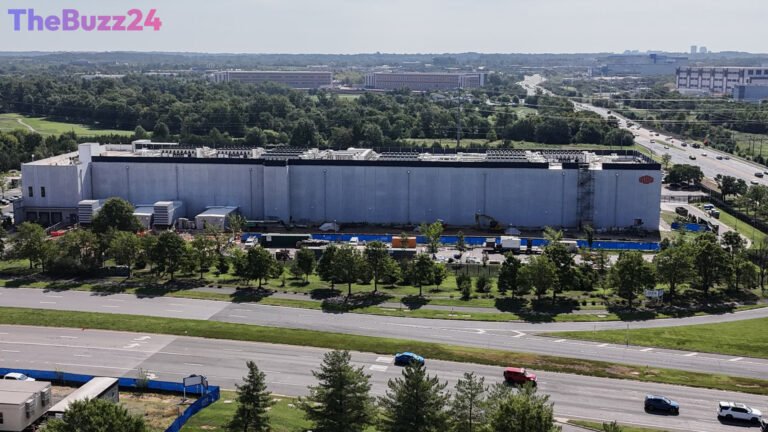
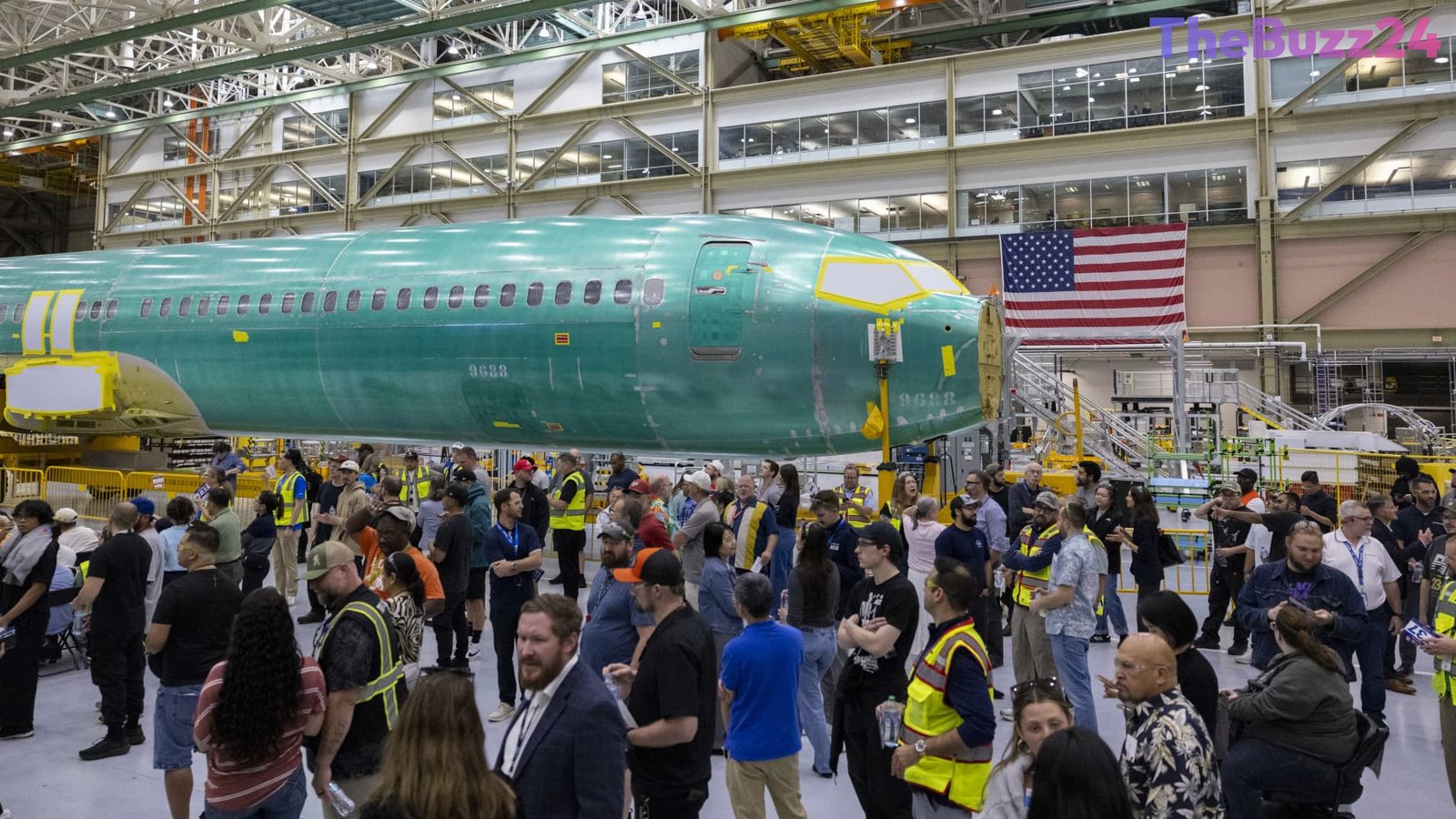
Boeing Chief Executive Officer Kelly Ortberg has disclosed that efforts to stabilize the manufacturing rate of the company’s flagship 737 Max aircraft are encountering a lengthier timeline than initially anticipated. Speaking at an industry investor conference, Ortberg pointed to wing production bottlenecks at the primary manufacturing facility in Renton, Washington, as the primary constraint currently slowing down operations.
Despite the slower-than-expected recovery phase, leadership remains confident in scaling up manufacturing output in the coming year. The 737 Max remains the cornerstone of Boeing’s commercial lineup and serves as a vital instrument for the aerospace giant’s financial and operational turnaround following a protracted period marked by heightened safety scrutiny and rigorous quality control investigations.
During the investor presentation, Ortberg also addressed the timeline for the Max 10, the largest variant within the aircraft family, expressing optimism that regulatory certification will be granted in the near future despite the program running years behind schedule. Meanwhile, market reaction was immediate, with Boeing shares extending losses following the leadership updates. On the international front, when questioned regarding prospective aircraft orders from China coinciding with upcoming diplomatic meetings, Ortberg maintained that such commercial agreements would proceed at the respective airlines’ own pace.
Key Takeaways
- Boeing CEO Kelly Ortberg announced that 737 Max production stabilization is taking longer than expected.
- Wing manufacturing bottlenecks at the Renton, Washington, plant are currently constraining output.
- Boeing stock fell over 5% in afternoon trading following the CEO's updates to investors.
Editor’s Analysis & Impact
The ongoing production delays at Boeing highlight the immense operational challenges involved in scaling up aerospace manufacturing while simultaneously rebuilding stringent quality assurance protocols. As the 737 Max is the primary driver of Boeing’s commercial revenue and long-term recovery, any friction in the assembly line directly impacts investor sentiment and financial outlook. Resolving the wing production bottlenecks in Renton is a critical milestone that will dictate how quickly the company can meet robust global demand and restore profitability. Furthermore, the anticipated certification of the Max 10 will be a crucial psychological and commercial turning point for the brand as it seeks to move past years of regulatory scrutiny and regain market confidence.
Frequently Asked Questions
Q: What is causing the delays in 737 Max production?
A: Boeing CEO Kelly Ortberg pointed to wing production constraints at the company's factory in Renton, Washington, as the main bottleneck slowing down the stabilization process.
Q: How did the stock market react to the announcement?
A: Boeing's stock extended its losses for the day, trading down more than 5% following the CEO's remarks at the industry conference.
Q: What is the status of the Max 10 certification?
A: Leadership expects the certification for the Max 10, the largest model in the 737 family, to be granted very soon, although the program remains years behind schedule.
AI Disclosure: This article is based on verified data and official reports. Our Team and AI have cross-referenced every financial detail with primary sources to ensure total accuracy.
More from this Category