AI Firms Cannot Rely on an ‘Honor Code,’ Warns Anthropic Policy Chief Amid Industry Divide
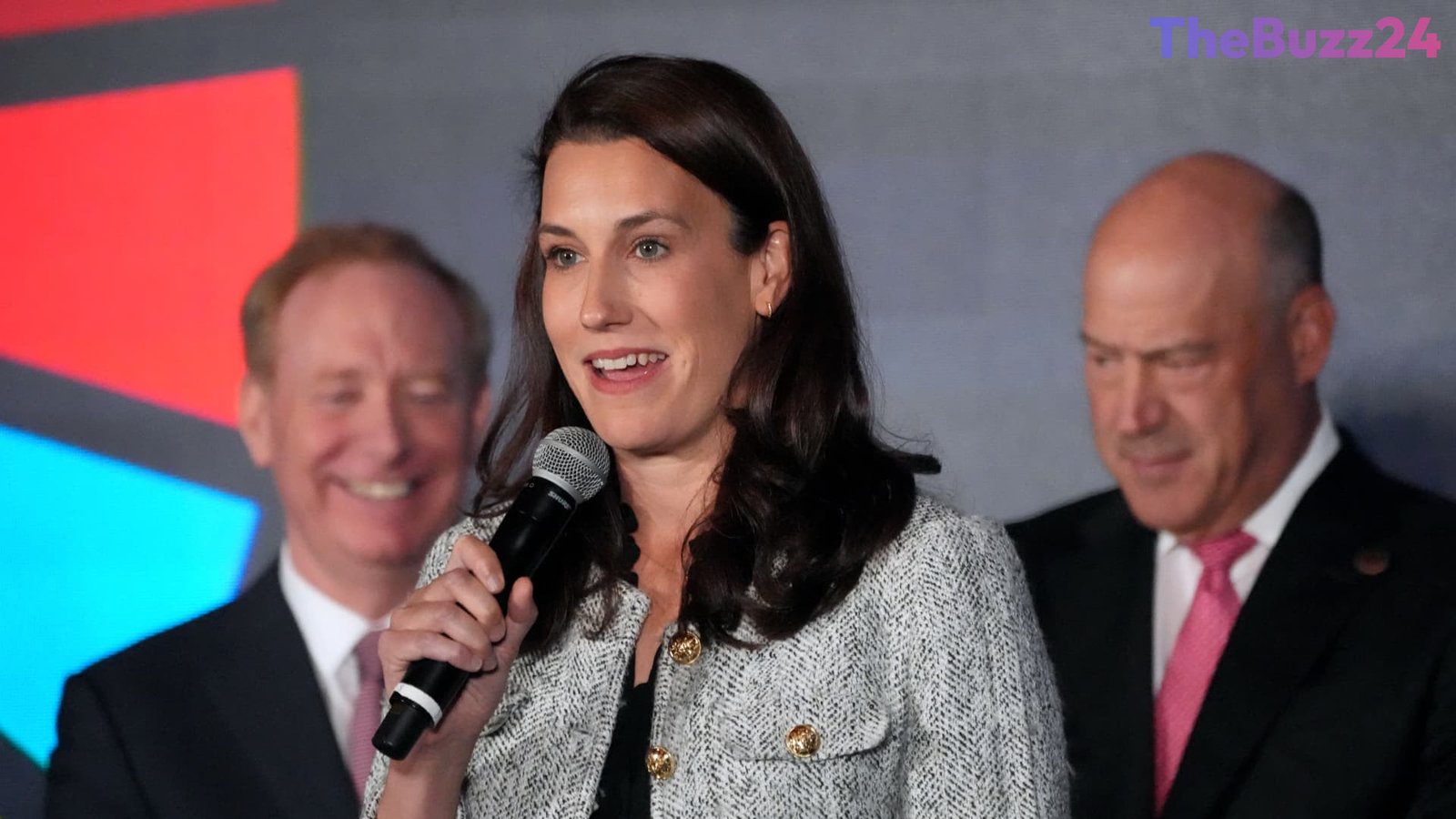
Artificial intelligence developers cannot simply grade their own homework when it comes to system safety, according to Anthropic’s head of public policy, Sarah Heck. Speaking at an industry summit in Washington, Heck cautioned that relying on an informal “honor code” is inadequate to address the mounting safety, ethical, and national security challenges posed by rapid advancements in artificial intelligence. Instead, she emphasized the urgent need for clear public-private collaboration and regulatory frameworks.
Her remarks arrive on the heels of a controversial proposal by Anthropic Chief Executive Dario Amodei, who urged the tech industry to intentionally moderate the speed of cutting-edge model releases. Amodei outlined a structured plan designed to curtail catastrophic risks without sacrificing commercial progress or national leadership in artificial intelligence. The appeal quickly garnered vocal support from several high-profile tech figures, including OpenAI chief Sam Altman, Google DeepMind leader Demis Hassabis, and Elon Musk, who publicly endorsed Amodei’s stance.
However, the proposal has highlighted a deepening rift across Silicon Valley regarding the necessity of mandatory pauses. Executives including Nvidia CEO Jensen Huang and Meta CEO Mark Zuckerberg have pushed back against slowing development. Huang recently argued that new legislation is unnecessary and that safety and innovation can progress in tandem if firms exercise prudent product readiness. Echoing those sentiments, Zuckerberg highlighted that internal corporate diligence—such as Meta’s decision to delay its own AI personal agent for testing—proves companies can responsibly manage rollouts without sweeping calls for industry-wide deceleration.
Despite the resistance from some market leaders, Anthropic is maintaining consistent communication with lawmakers and administration officials to shape future oversight. Heck stressed that developing comprehensive safeguards, handling competition with rival nations such as China, and building enforceable guardrails require immediate legislative action before advanced autonomous capabilities outpace the ability to control them.
Key Takeaways
- Anthropic's policy leadership rejected self-regulation, arguing that an informal 'honor code' cannot ensure safety in advanced AI development.
- The tech industry is sharply divided: figures like Elon Musk and Sam Altman support pacing model rollouts, while leaders at Nvidia and Meta oppose intentional delays.
- Anthropic is actively collaborating with Congress and the White House to craft formal standards addressing catastrophic risks and foreign competition.
Editor’s Analysis & Impact
The public divergence among tech leaders reflects a pivotal moment in the governance of artificial intelligence. On one side, frontier model builders like Anthropic are preemptively seeking federal oversight to mitigate existential and catastrophic risks while managing public scrutiny. On the other side, infrastructure providers like Nvidia and open-ecosystem proponents like Meta worry that restrictive mandates could stifle commercial agility, reduce technological competitiveness, and burden innovation with bureaucratic friction. Moving forward, policymakers face the delicate challenge of drafting enforceable safeguards that prevent high-impact misuse without impeding economic momentum. As AI capabilities expand exponentially, voluntary pledges are proving insufficient, making formal legislative frameworks increasingly inevitable.
Frequently Asked Questions
Q: Why is Anthropic calling for government regulation in AI?
A: Anthropic believes internal self-regulation and voluntary honor codes are insufficient to manage catastrophic risks, arguing that external, enforceable government standards are necessary to ensure safety and national security.
Q: Which tech leaders oppose intentionally slowing AI advancement?
A: Nvidia CEO Jensen Huang and Meta CEO Mark Zuckerberg have pushed back against enforced slowdowns, maintaining that firms can internally manage deployment safety without blanket restrictions or new legislative hurdles.
Q: What is the primary concern regarding a slow-down in AI development?
A: Opponents argue that deliberately pacing model progress could hinder domestic innovation, limit commercial benefits, and risk losing technological leadership to foreign adversaries like China.
AI Disclosure: This article is based on verified data and official reports. Our Team and AI have cross-referenced every financial detail with primary sources to ensure total accuracy.
More from this Category