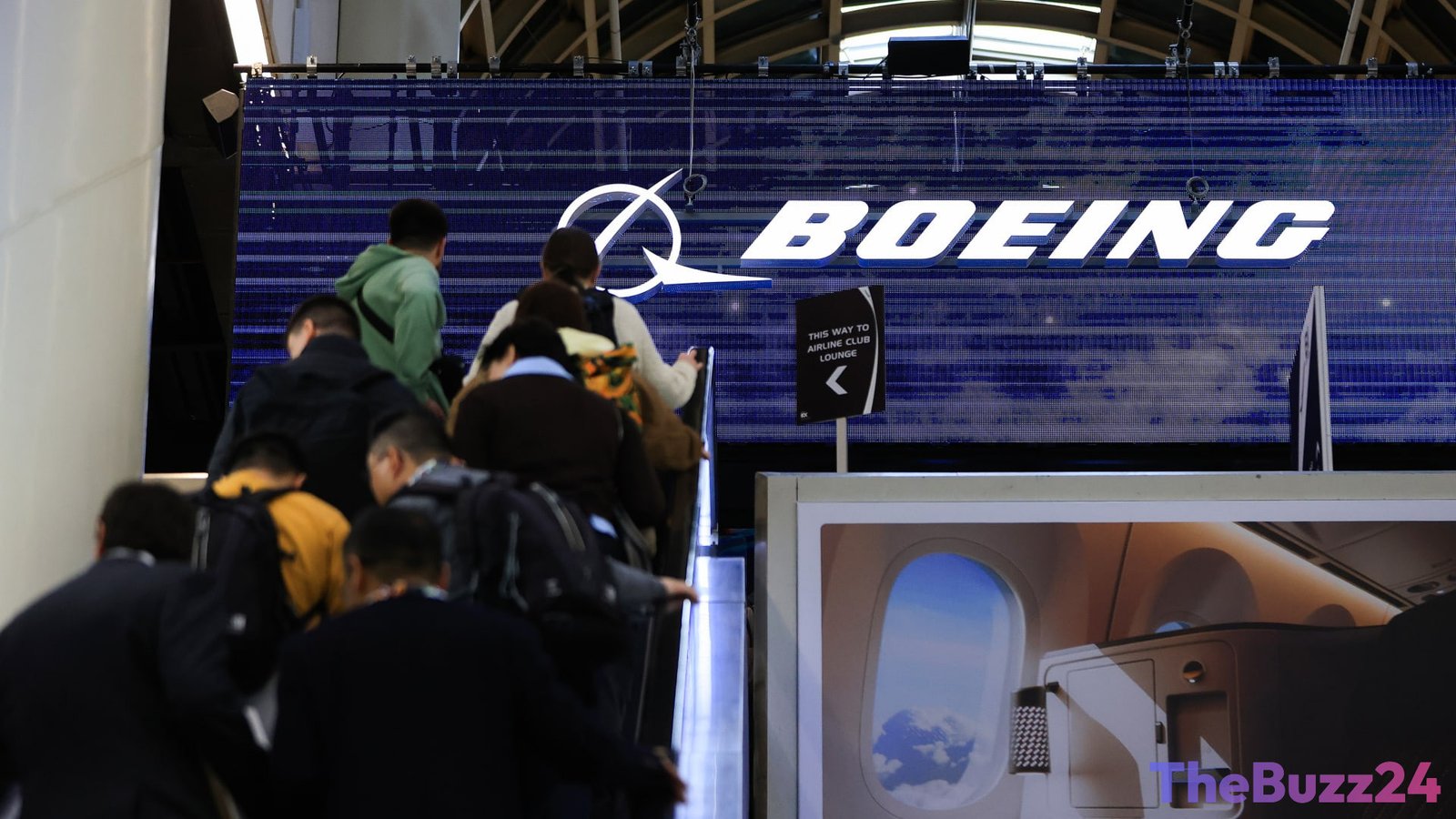
Boeing Secures Tentative Labor Deal with Engineers, Boosting Wage Hikes
Aerospace giant Boeing and the Society of Professional Engineering Employees in Aerospace (SPEEA) have reached a tentative four-year contract agreement, potentially averting a significant labor strike. This new offer comes after union members overwhelmingly rejected an earlier proposal in August, signaling their strong demand for improved compensation and working conditions.
The revised deal includes a substantial 10% wage increase for approximately 17,000 professional and technical unit members, effective October 16. Further raises of 4% annually, coupled with merit-based increases, are slated for 2027 through 2030. Additionally, the agreement addresses key concerns by introducing changes to work-from-home policies and overtime limitations for professional staff.
The previous offer, which included only a 3% general wage increase, was deemed insufficient by SPEEA members, many of whom expressed concerns about their salaries keeping pace with inflation. The Consumer Price Index in the Seattle area, where most SPEEA members are based, rose 4.5% over the past year. Boeing acknowledged these priorities, with Ben Nimmergut, vice president and functional chief engineer for production engineering, stating the new offer directly addresses employee and union bargaining team concerns, including an immediate wage increase and larger wage pools with guarantees.
This agreement is crucial for Boeing, as SPEEA members play a vital role in the certification processes for the delayed 737 MAX 10 and 777-9 jets. While SPEEA’s negotiating team noted the deal “isn’t everything we’d asked for,” they view it as a “real step forward” in improving pay, work lives, and rebuilding the relationship between leadership and union members. The current contract is set to expire on October 6, making the ratification of this tentative agreement essential to avoid potential labor disruptions.
Key Takeaways
- Boeing and SPEEA have reached a tentative four-year contract agreement, replacing a previously rejected offer and potentially averting a strike.
- The new deal includes a 10% immediate wage increase for 17,000 members, followed by 4% annual raises and merit increases, along with changes to work-from-home and overtime policies.
- The agreement is critical for Boeing to avoid labor disruptions and ensure progress on key aircraft certification projects like the 737 MAX 10 and 777-9, which are already behind schedule.
Editor’s Analysis & Impact
This tentative agreement between Boeing and SPEEA marks a significant development for both the aerospace giant and its workforce. For Boeing, securing this deal is crucial to maintaining operational stability and avoiding a costly strike, especially given the ongoing delays in certifying key aircraft like the 737 MAX 10 and 777-9. A labor disruption would severely exacerbate these production challenges and further strain investor confidence. The increased wage package reflects the current tight labor market and the union’s leverage, particularly with inflation concerns. This resolution could provide a much-needed period of labor peace, allowing Boeing to focus on its production ramp-up and quality control issues. However, the higher labor costs will impact the company’s bottom line, a factor investors will closely watch.
Frequently Asked Questions
Q: What is SPEEA?
A: SPEEA stands for the Society of Professional Engineering Employees in Aerospace. It is a union representing engineers and technical workers at Boeing.
Q: Why was the first contract offer rejected by SPEEA members?
A: The initial offer was rejected primarily because SPEEA members felt the proposed 3% general wage increases were insufficient and would not keep pace with inflation, especially in the Seattle area where the cost of living has risen significantly.
Q: What are the key benefits for SPEEA members in this new tentative agreement?
A: The new agreement offers a 10% immediate wage increase, followed by 4% annual raises plus merit-based increases from 2027-2030, and includes changes to work-from-home policies and overtime limits for professional unit members.
AI Disclosure: This article is based on verified data and official reports. Our Team and AI have cross-referenced every financial detail with primary sources to ensure total accuracy.
More from this Category