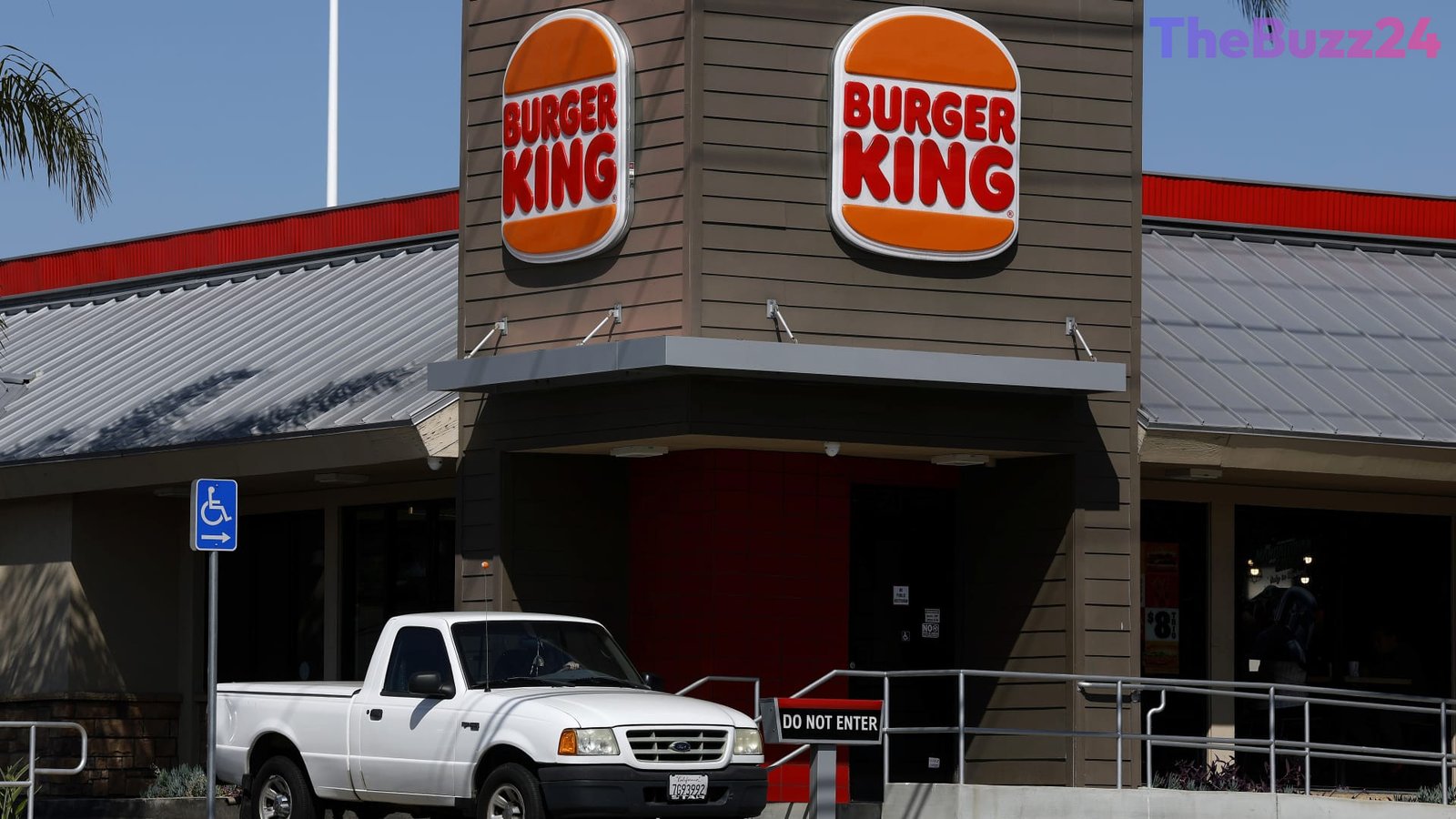
Burger King’s U.S. Comeback Strategy: Empowering Local Franchisees
Burger King is embarking on a significant strategic shift in its U.S. operations, refranchising hundreds of its company-owned restaurants as a cornerstone of its ambitious turnaround plan. The iconic burger chain is prioritizing a new breed of franchisees: individuals deeply rooted in their local communities, who live close to their locations and are committed to regular, hands-on involvement. This deliberate focus on smaller, community-connected operators signals a departure from previous strategies that often favored larger, private equity-backed entities, though it means the refranchising initiative will unfold over several years.
The core of this strategy involves divesting a substantial portion of its corporate-owned locations. Following its 2024 acquisition of Carrols Restaurant Group, its largest U.S. franchisee, for approximately $1 billion, Restaurant Brands International (Burger King’s parent company) temporarily increased its company-owned footprint. The long-term vision, however, is to reduce company-operated restaurants to around 300, with franchisees managing the vast majority of its over 6,000 U.S. locations. This asset-light model is expected to generate higher earnings for the company and, crucially, lead to improved operational results, as personally invested franchisees typically outperform corporate-run stores. The chain is on track to sell about 200 company-operated restaurants to franchisees by the end of the year, with further sales planned over the next seven years.
The emphasis on local ownership is driven by a belief that proximity fosters greater accountability and a long-term perspective. Burger King U.S. President Tom Curtis, a former Domino’s franchisee himself, highlights the importance of operators who view their business as a lasting commitment, not a short-term investment. This approach aims to cultivate a culture where franchisees are deeply invested in customer satisfaction and restaurant quality, knowing that complaints are likely to come from neighbors and acquaintances. To support this, Burger King is also implementing programs like ‘Crown Your Career,’ designed to help restaurant leaders and managers acquire the funding and financing needed to become owners, further cementing local ties and operational expertise.
This refranchising effort is already showing promising results, contributing to Burger King’s recent overtaking of Wendy’s as the second-largest burger chain in the U.S. by system sales. Recent domestic same-store sales growth of 8.5% significantly outpaced rivals. New franchisees, such as Jeremy Kline, who bought 16 locations in Salt Lake City after years as a Burger King franchising director, are actively investing in facility improvements, employee culture, and customer experience. The chain is also committing over $1 billion to modernize its restaurants, aiming for 85% to 90% of its domestic locations to feature a modern design by the end of 2028. This comprehensive strategy, inspired in part by the successful turnaround blueprint of Domino’s Pizza under Patrick Doyle, centers on enhancing franchisee profitability, which in turn encourages reinvestment and drives sustainable growth in sales and traffic.
Key Takeaways
- Burger King is strategically refranchising hundreds of company-owned restaurants to local operators as a core component of its U.S. turnaround plan.
- The initiative prioritizes smaller, community-involved franchisees over large private equity firms, aiming for enhanced operational performance, greater accountability, and long-term investment.
- Inspired by Domino's successful comeback, this strategy seeks to create an asset-light business model, boost franchisee profitability, and drive significant reinvestment in restaurant modernization, leading to improved sales and customer traffic.
Editor’s Analysis & Impact
Burger King’s strategic pivot towards local, owner-operated franchises represents a significant shift in the fast-food industry, potentially setting a new standard for brand revitalization. This move could inspire other chains to re-evaluate their franchise models, emphasizing community engagement and personal investment over purely financial backing. The future outlook for Burger King appears positive, with early indicators like strong same-store sales growth suggesting the strategy is gaining traction. However, the multi-year timeline for refranchising and ongoing economic pressures such as inflation and high interest rates will test the resilience of this model. Broader implications suggest a growing recognition that operational excellence and deep local ties are increasingly critical for sustained success in competitive markets, highlighting the value of nurturing internal talent and fostering a long-term ownership mentality within the franchise ecosystem.
Frequently Asked Questions
Q: Why is Burger King prioritizing local franchisees over larger entities?
A: The chain believes local franchisees are more personally invested in their restaurants' success, leading to better operational results, increased accountability, and a long-term commitment to the brand and community, contrasting with the shorter-term outlook often associated with private equity firms.
Q: How is this strategy expected to impact Burger King's overall performance?
A: The refranchising is anticipated to create an asset-light business model, enhance franchisee profitability, drive reinvestment in restaurant modernization, and ultimately lead to higher sales, increased customer traffic, and a stronger, more consistent brand presence across its U.S. locations.
AI Disclosure: This article is based on verified data and official reports. Our Team and AI have cross-referenced every financial detail with primary sources to ensure total accuracy.
More from this Category