High-Stakes Presidential Race in Brazil Spotlights Fiscal Pressures and U.S.-China Geopolitical Rivalry
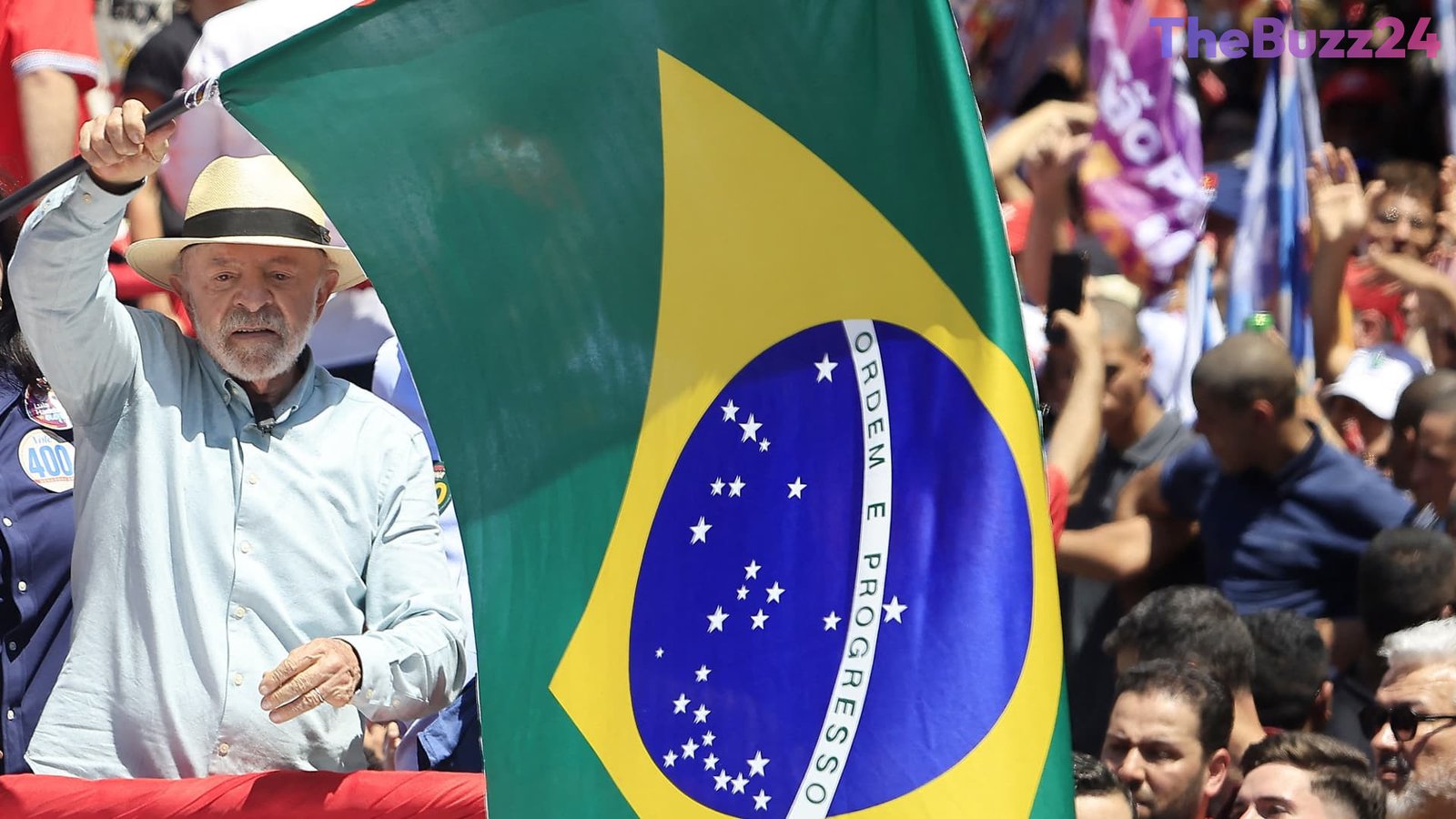
Voters across Brazil are preparing to head to the ballot box in a high-stakes presidential contest that carries profound implications for global trade, geopolitical balances, and emerging market debt. Incumbent left-leaning President Luiz Inácio Lula da Silva faces a formidable challenge from conservative Senator Flávio Bolsonaro, the political heir to former President Jair Bolsonaro. With polling data indicating a virtually deadlocked race, neither candidate is guaranteed an outright majority in the initial round, likely triggering a decisive runoff vote later this month.
The contest presents sharply contrasting trajectories for Latin America’s largest economy. Lula, seeking a historic fourth non-consecutive term under his Workers’ Party banner, has centered his platform on national sovereignty, worker benefits, and reduced domestic income taxes. Conversely, Bolsonaro advocates for broad privatization, spending rollbacks, and deep ideological alignment with Washington. The ideological clash has intensified given Brazil’s strategic role as the world’s second-largest holder of rare earth reserves, positioning the nation at the center of an escalating rivalry between the United States and China, the country’s primary trading partner.
Beyond international diplomacy, the incoming administration faces immediate domestic headwinds dominated by fragile fiscal fundamentals. Brazil’s gross public debt has climbed to nearly 83% of gross domestic product, while the annual budget deficit hovers around 9.5%. Elevated borrowing costs, with domestic 10-year bond yields surpassing 14%, have raised concerns among international investors over long-term debt sustainability. While Brazil has partially insulated its trade balance as a net oil exporter amid global energy volatility, persistent inflationary pressures and sub-2% economic growth leave little room for policy missteps.
Market observers note that the winner must navigate an increasingly fractured Congress to enact credible budget adjustments without derailing fragile growth. Although tight monetary policy and attractive interest-rate carry trades continue to lend short-term support to the Brazilian real, long-term investor confidence hinges on the government’s willingness to implement disciplined expenditure controls and fiscal reforms soon after taking office.
Key Takeaways
- Incumbent President Luiz Inácio Lula da Silva and conservative Senator Flávio Bolsonaro are locked in a tight race that will redefine Brazil's political and economic trajectory.
- The election holds major geopolitical ramifications, as Bolsonaro favors strong alignment with Washington while Lula champions multilateral autonomy, impacting trade relations with Beijing and access to critical minerals.
- Brazil's next leader must tackle significant fiscal headwinds, including public debt near 83% of GDP and benchmark bond yields holding above 14%.
Editor’s Analysis & Impact
This election represents a pivotal juncture for South America. Under a Bolsonaro victory, Washington would secure a vital partner in its regional strategy, potentially establishing restrictions on Beijing’s expanding access to Brazil’s vast critical minerals and agricultural exports. Conversely, a continued Lula presidency guarantees the preservation of deep economic and diplomatic linkages with China via BRICS. From an investment perspective, Brazil’s macroeconomic profile presents a classic emerging-market dilemma: attractive carry yields counterbalanced by high sovereign debt and wide deficits. The critical metric for market stability will not just be who claims the presidency, but how quickly the victor presents a credible, balanced fiscal consolidation plan to a divided legislature without choking domestic economic momentum.
Frequently Asked Questions
Q: What happens if neither candidate secures a majority in the first round?
A: Under Brazilian election laws, if no presidential contender achieves more than 50% of valid votes in the initial round, a runoff election between the top two candidates is held later in the month to decide the winner.
Q: Why is this election globally important for the United States and China?
A: Brazil holds the world's second-largest reserves of critical minerals and rare earths and serves as a major agricultural exporter. A Bolsonaro presidency would align closely with U.S. strategic policies, whereas Lula favors maintaining strong trade ties with China, which is Brazil's primary trade partner.
Q: What is the main economic challenge facing Brazil's next president?
A: The immediate hurdle is stabilizing public finances. With gross public debt standing near 83% of GDP, an elevated budget deficit, and bond yields over 14%, the incoming administration faces immense pressure to enact disciplined fiscal reforms while supporting sluggish economic growth.
AI Disclosure: This article is based on verified data and official reports. Our Team and AI have cross-referenced every financial detail with primary sources to ensure total accuracy.
More from this Category