U.S.-India Trade Negotiations Face Hurdles Despite High-Level Diplomatic Talks
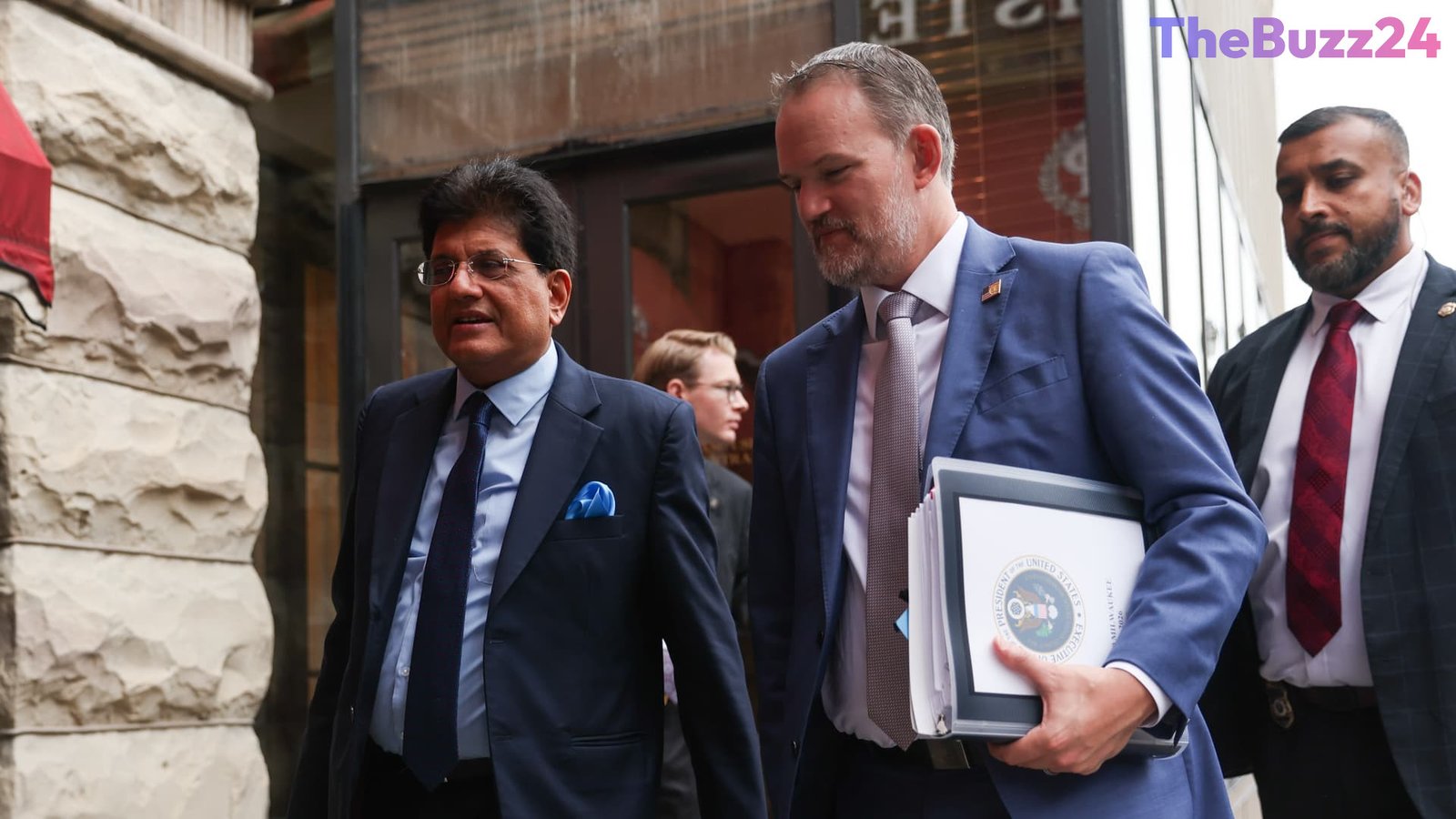
Despite recent high-level communication between U.S. President Donald Trump and Indian Prime Minister Narendra Modi, a comprehensive trade agreement between the two nations remains elusive. U.S. Trade Representative Jamieson Greer indicated that while negotiations are active, an immediate breakthrough is unlikely. The discussions, which follow a constructive phone call between the two leaders, are currently focused on resolving several complex sticking points that have stalled progress.
The negotiations are characterized by a significant divergence in priorities. Washington has expressed concerns regarding India’s continued acquisition of Russian oil, a practice the U.S. administration views as a means of indirectly funding the conflict in Ukraine. Conversely, New Delhi maintains that its energy procurement is strictly a matter of national energy security, especially amidst global supply volatility. India is also seeking preferential tariff structures to bolster its export competitiveness, while simultaneously working to protect its vital agricultural sector.
The stakes for both nations are high. India faces the potential threat of significant tariffs from the U.S. if its energy policies do not align more closely with American interests. Meanwhile, Indian officials, including Commerce Minister Piyush Goyal, have expressed a desire for an interim agreement to facilitate smoother trade. However, experts suggest that the final stages of such a deal often involve the most difficult concessions, as both sides navigate deeply entrenched economic and geopolitical redlines.
Key Takeaways
- A trade deal between the U.S. and India is not expected in the immediate future despite recent diplomatic engagement.
- Disagreements over India's purchase of Russian oil and U.S. tariff policies remain primary obstacles.
- India is seeking preferential tariffs to protect its agricultural sector and enhance export competitiveness.
Editor’s Analysis & Impact
The stalemate in U.S.-India trade negotiations highlights the growing tension between bilateral economic goals and broader geopolitical alignments. While both nations seek to strengthen their partnership, the ‘energy security vs. geopolitical pressure’ dilemma creates a significant impasse. The U.S. is leveraging tariff threats to influence India’s energy procurement, a move that could backfire by pushing New Delhi further toward alternative energy partners or complicating supply chains for critical goods. For India, the challenge lies in balancing its domestic political necessity—protecting farmers—with the economic necessity of accessing the American market. If a middle ground isn’t found, we may see a shift toward more fragmented trade blocs, where regional energy security and domestic protectionism take precedence over globalized trade agreements.
Frequently Asked Questions
Q: Why is the U.S. concerned about India's oil purchases?
A: The U.S. administration believes that India's continued purchase of Russian oil provides financial support to the Russian government during the ongoing conflict in Ukraine.
Q: What is India's main goal in these trade talks?
A: India is primarily focused on securing preferential tariffs to make its exports more competitive in the U.S. market while protecting its domestic agricultural sector.
AI Disclosure: This article is based on verified data and official reports. Our Team and AI have cross-referenced every financial detail with primary sources to ensure total accuracy.
More from this Category