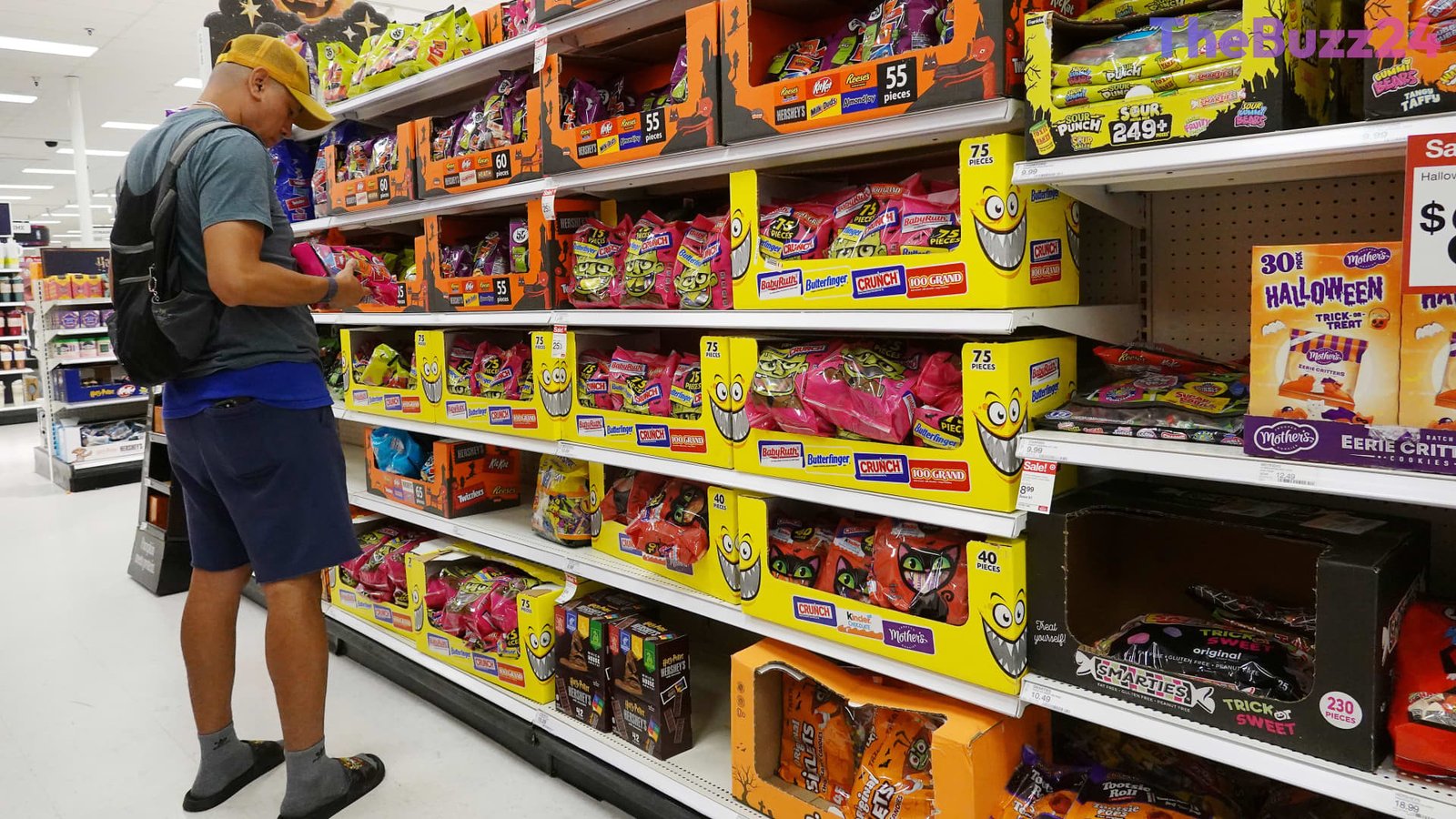
Candy Crunch: Inflation Bites Halloween Budgets, Puts Pressure on Hershey
Halloween festivities this year came with a steeper price tag, particularly for the traditional candy bowl. Despite an anticipated increase in overall holiday spending to $13.5 billion, up from last year’s $13.1 billion, consumers approached the season with a keen eye on affordability. This inflationary trend isn’t just affecting household budgets; it’s also creating headwinds for major confectionery companies like Hershey.
The primary drivers behind the escalating cost of sweets are the significantly higher prices for key ingredients: cocoa and sugar. Disruptions in cocoa supply from West Africa, notably Côte d’Ivoire and Ghana, have been severe due to adverse growing conditions. Similarly, global sugar production has been hampered by extreme weather events, including unusually wet conditions in Brazil and droughts in other major regions, exacerbated by phenomena like El Niño. While some commodity markets have seen recent dips in cocoa prices from historic highs, this relief has yet to translate to store shelves, as much of the chocolate sold this Halloween was produced using ingredients purchased six to twelve months prior at elevated costs.
As a result, chocolate prices were estimated to be approximately 8% higher than the previous Halloween season, with effective transaction prices rising 5% to 8% even after promotions. Data indicated a notable decline in Halloween chocolate dollar sales, down 7.2% year-over-year, with milk chocolate experiencing the most significant drop. Overall candy, gum, and mint sales also saw a 6.7% decrease. In response, retailers have intensified promotional efforts, offering discounts on various Halloween items. Consumers, meanwhile, are adapting by opting for smaller candy packages, with sales of nine-ounce or less packs surging, and increasingly choosing lower-cocoa alternatives such as gummies, sour candies, wafers, and caramels.
The challenging market conditions are clearly impacting industry leaders. Hershey recently revised its 2026 organic sales growth forecast downward to 3%, suggesting a flat organic growth outlook for the fourth quarter. Analysts have expressed caution, citing persistent consumer and cost pressures weighing on the company’s near-term prospects. Hershey’s CEO, Kirk Tanner, acknowledged the pressure on consumers, noting a shift towards demanding more value and bespoke promotions rather than general price reductions. This outlook has led several financial institutions to cut their price targets for Hershey’s stock, reflecting concerns over future earnings.
Key Takeaways
- Halloween candy prices, especially chocolate, significantly increased due to higher cocoa and sugar costs from global supply disruptions.
- Consumers are responding by purchasing smaller candy packages and opting for lower-cocoa alternatives, leading to a decline in overall chocolate sales.
- Hershey has lowered its sales growth forecast and faces analyst downgrades, reflecting the impact of consumer price sensitivity and elevated input costs on its business.
Editor’s Analysis & Impact
The confectionery industry is grappling with a dual challenge: soaring raw material costs (cocoa, sugar) and increasingly price-sensitive consumers. This dynamic is forcing manufacturers to absorb higher input costs or pass them on, risking reduced sales volumes. The shift towards smaller package sizes and alternative candies indicates a significant change in consumer purchasing habits, which could reshape product development and marketing strategies across the sector. Retailers are also under pressure to offer aggressive promotions to stimulate demand. The immediate future suggests continued volatility in commodity prices, particularly for cocoa, which could keep pressure on profit margins. Companies like Hershey will need to innovate with product formulations and optimize supply chains to mitigate costs. This situation highlights the broader impact of global supply chain vulnerabilities and climate-related agricultural disruptions on everyday consumer goods.
Frequently Asked Questions
Q: Why were Halloween candy prices higher this year?
A: Halloween candy prices, particularly for chocolate, increased due to significant rises in the cost of key ingredients like cocoa and sugar. These ingredient price hikes were caused by global supply disruptions, including poor growing conditions in West Africa for cocoa and adverse weather affecting sugar harvests worldwide.
Q: How did consumers react to the higher candy prices?
A: Consumers responded by becoming more price-conscious. Many opted for smaller candy packages (nine ounces or less) and increasingly chose lower-cocoa alternatives such as gummies, sour candies, wafers, and caramels, leading to a decline in overall chocolate sales.
Q: What impact did this have on companies like Hershey?
A: Hershey faced significant pressure, leading the company to lower its 2026 organic sales growth forecast. Analysts also cut price targets for Hershey's stock, citing concerns over consumer price sensitivity and the ongoing challenge of high input costs affecting the company's profitability and sales outlook.
AI Disclosure: This article is based on verified data and official reports. Our Team and AI have cross-referenced every financial detail with primary sources to ensure total accuracy.
More from this Category