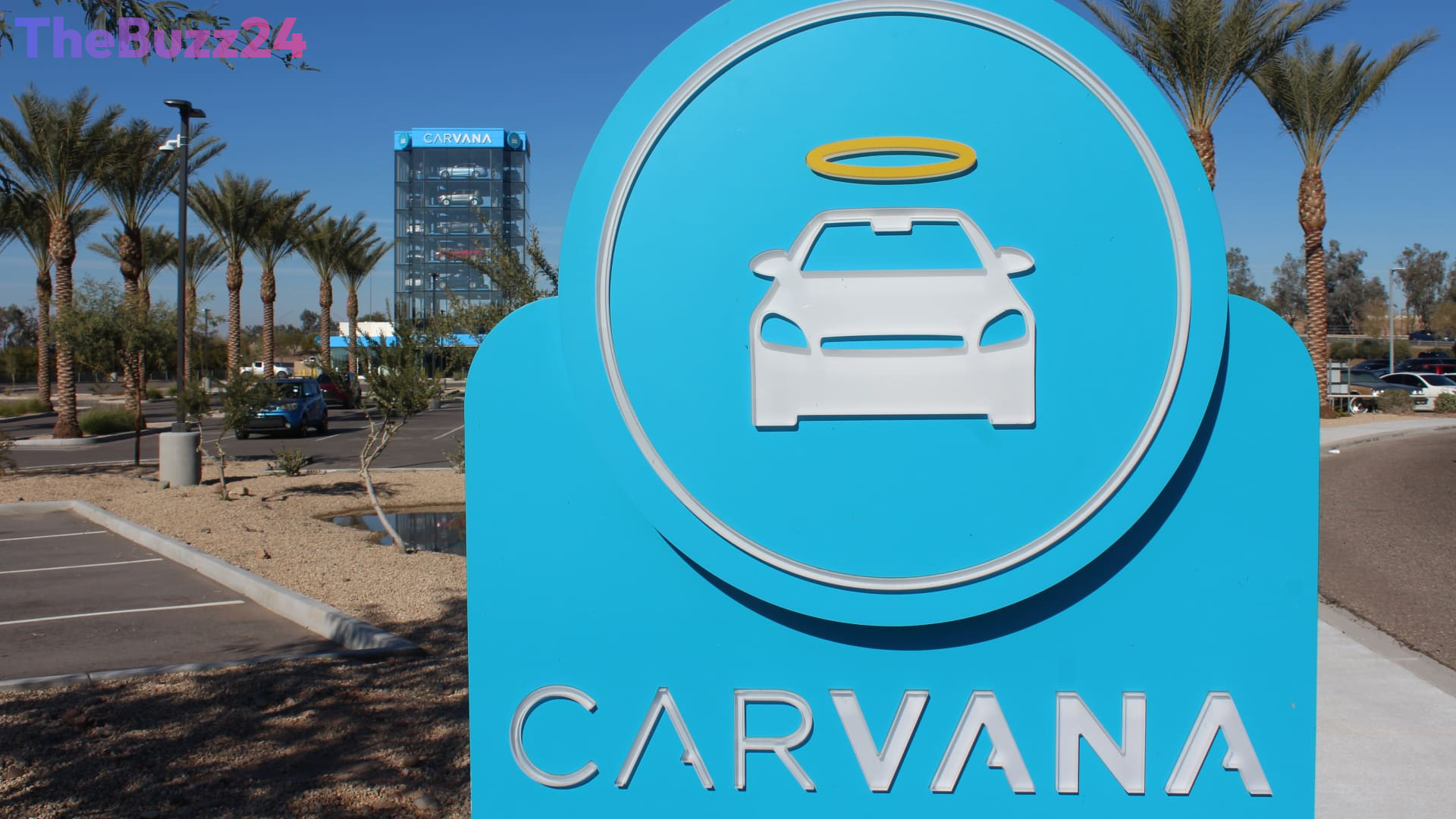
Carvana Shifts Gears: Online Retailer Enters New Vehicle Market, Poised to Disrupt Auto Industry
Carvana, a company that has carved out a significant niche in the U.S. used car market, is making a bold move into new vehicle sales. Since last year, the online automotive giant has acquired seven new vehicle franchises, primarily focusing on Stellantis brands such as Chrysler, Dodge, Jeep, and Ram. This strategic expansion is already generating buzz among industry experts, who suggest it could fundamentally alter the long-standing franchised dealer system in the United States.
The acquisition of these new car dealerships offers Carvana a dual advantage. Beyond the direct revenue stream from new vehicle sales, it provides the company with enhanced access to used vehicles through exclusive auctions available only to franchised dealers. This integration allows Carvana to more effectively manage the entire vehicle lifecycle, from sale to potential repurchase, a move that could significantly impact the secondary market for automobiles.
Industry analysts believe Carvana’s entry into the new vehicle franchise business represents one of the most significant disruptive forces the U.S. auto retail sector has witnessed in decades. The traditional franchised dealership model, which generated over $1.3 trillion in sales last year, has historically been resistant to change. However, Carvana’s innovative approach, leveraging its digital infrastructure and logistics network, could accelerate adaptation within the industry, forcing established players to re-evaluate their strategies to remain competitive.
One of Carvana’s new Stellantis dealerships, located in Casa Grande, Arizona, has demonstrated rapid growth, selling over 700 new vehicles last month alone. This performance far surpasses the store’s previous sales figures before Carvana’s acquisition, highlighting the company’s potential to quickly gain traction in the new car market. While Carvana has remained largely silent on its specific plans for these new franchises, its track record suggests a strategic integration aimed at capturing a larger share of the automotive retail landscape.
Key Takeaways
- Carvana has expanded into selling new vehicles by acquiring seven new car franchises, primarily for Stellantis brands.
- This move is expected to significantly disrupt the traditional U.S. franchised dealer system and enhance Carvana's access to used vehicles.
- The company's rapid growth in its new dealerships suggests a strong potential to reshape the automotive retail market.
Editor’s Analysis & Impact
Carvana’s strategic pivot into new vehicle sales marks a significant evolution for the online automotive retailer. By integrating new car franchises, Carvana is not only diversifying its revenue streams but also gaining a critical advantage in sourcing used vehicles through exclusive dealer auctions. This move challenges the established franchised dealer model, which has long been a cornerstone of the U.S. auto market. The company’s existing digital and logistical infrastructure positions it uniquely to potentially blend online convenience with the traditional dealership experience. The long-term implications could include increased competition, pressure on legacy dealers to innovate, and a potential shift in how consumers purchase new and used vehicles, mirroring trends seen in other retail sectors.
Frequently Asked Questions
Q: What brands does Carvana's new vehicle franchises primarily sell?
A: Carvana's new vehicle franchises primarily sell Stellantis brands, including Chrysler, Dodge, Jeep, and Ram.
Q: How might Carvana's expansion impact the existing auto retail market?
A: Carvana's entry into new vehicle sales is expected to disrupt the traditional franchised dealer system by introducing a more integrated online and offline sales model, potentially increasing competition and forcing established dealers to adapt.
Q: What is the significance of Carvana acquiring new vehicle franchises for its used car business?
A: Acquiring new vehicle franchises provides Carvana with access to exclusive auctions for used vehicles, allowing them to more easily source inventory and manage the complete lifecycle of a vehicle, from new sale to potential resale.
AI Disclosure: This article is based on verified data and official reports. Our Team and AI have cross-referenced every financial detail with primary sources to ensure total accuracy.
More from this Category