Celestial Spectacle: August 2026 Brings Solar and Lunar Eclipses Along with Peak Meteor Showers
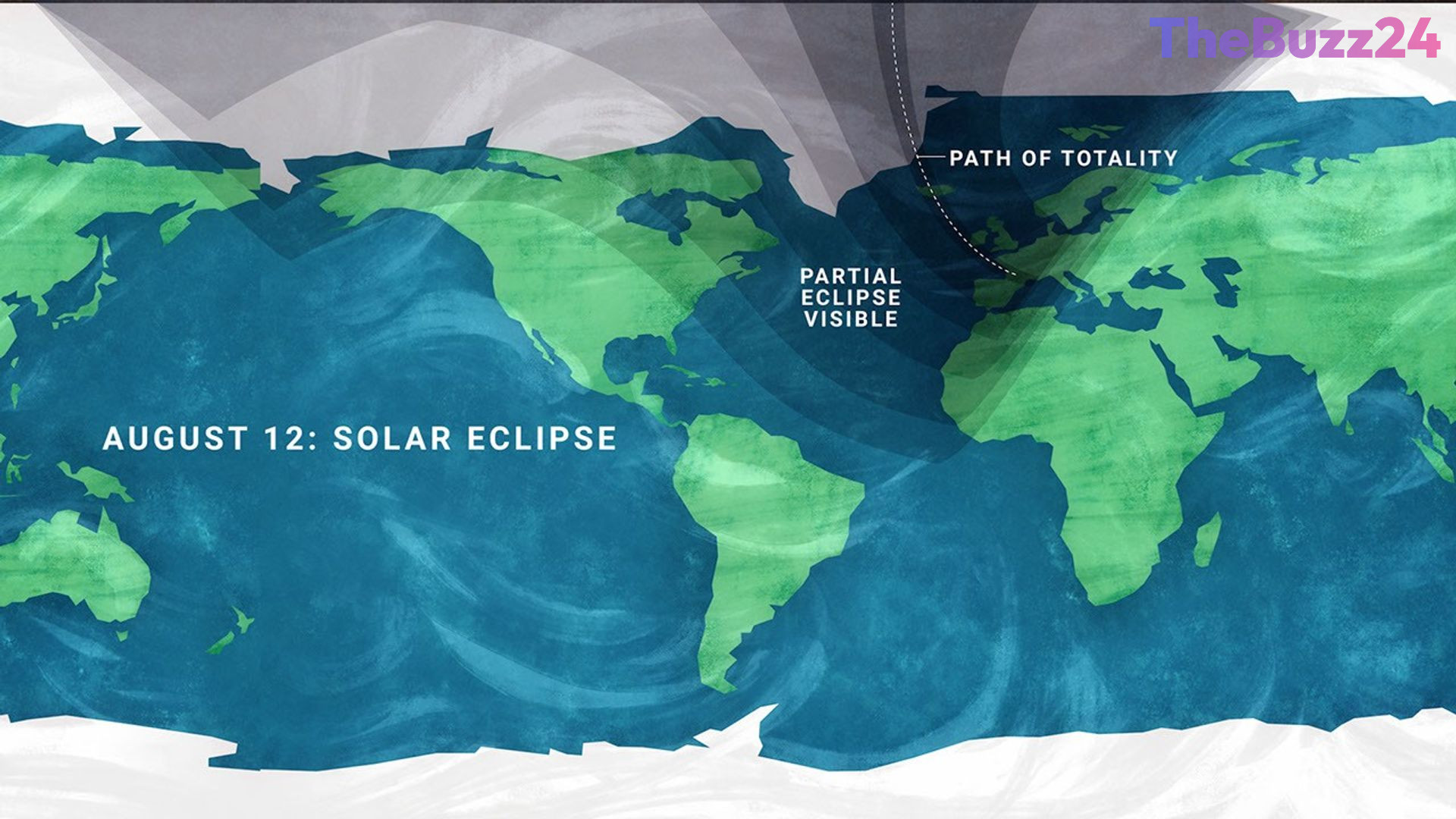
August 2026 is set to be a landmark month for astronomy enthusiasts, featuring a rare combination of solar and lunar eclipses alongside one of the year’s most anticipated meteor showers. The celestial calendar kicks off with a total solar eclipse on August 12, which will trace a path of totality across northern Russia, Greenland, Iceland, and parts of Spain and Portugal. Observers in the United States, ranging from Alaska to North Carolina, will experience a partial solar eclipse, where the moon will obscure a portion of the sun. Experts emphasize the necessity of using certified solar viewing glasses to prevent eye damage during this event.
Following the solar eclipse, the night of August 12 into the early morning of August 13 will host the peak of the Perseid meteor shower. Because the peak coincides with a new moon, the lack of lunar light will provide optimal conditions for viewing the debris left behind by Comet Swift-Tuttle. Observers are encouraged to find dark, open spaces and allow their eyes to adjust for at least 30 minutes to catch the best display of streaks across the night sky.
Mid-month, Venus will reach its greatest eastern elongation between August 14 and 16. During this time, the planet will appear at its widest separation from the sun, making it highly visible as a brilliant object in the western sky shortly after sunset. The month concludes with a partial lunar eclipse on the night of August 27 and 28. Visible across North and South America, as well as parts of Europe and Africa, this event will see approximately 93% of the moon pass through Earth’s umbra, often resulting in a dramatic, coppery hue across the lunar surface.
Key Takeaways
- A total solar eclipse will occur on August 12, 2026, with partial visibility across the United States.
- The Perseid meteor shower peaks on the night of August 12-13, benefiting from dark skies due to a new moon.
- A significant partial lunar eclipse will be visible across the Americas, Europe, and Africa on August 27-28.
Editor’s Analysis & Impact
The August 2026 skywatching events represent a significant period for public engagement with space science. Beyond the aesthetic appeal, these events serve as critical educational opportunities that drive interest in astronomy and physics. The concentration of multiple high-profile celestial phenomena within a single month creates a ‘halo effect’ for space-related organizations, increasing traffic to educational resources and fostering community participation through local astronomy clubs. From an industry perspective, the demand for certified solar viewing equipment and amateur telescopic gear typically spikes during these windows. Looking forward, the ability to predict and broadcast these events with high precision highlights the maturity of our orbital mechanics modeling, reinforcing the importance of continued investment in space observation infrastructure to both track potential hazards and inspire the next generation of scientists.
Frequently Asked Questions
Q: Is it safe to look at the solar eclipse with regular sunglasses?
A: No. Regular sunglasses are not sufficient to protect your eyes from the sun's intense radiation. You must use certified eclipse glasses or a safe solar viewer specifically designed for solar observation.
Q: Do I need special equipment to watch the lunar eclipse?
A: Unlike a solar eclipse, a lunar eclipse is completely safe to view with the naked eye. However, using binoculars or a small telescope can enhance the experience by providing a clearer view of the Earth's shadow moving across the lunar surface.
AI Disclosure: This article is based on verified data and official reports. Our Team and AI have cross-referenced every financial detail with primary sources to ensure total accuracy.
More from this Category