Inside Iran’s Fragmented Command Structure and the Roadblocks to Middle East Peace
The ongoing military engagements across the Middle East have once again underscored the profound challenges of securing a lasting peace agreement with Iran. The nation’s intricate and layered governance framework—which encompasses the Supreme Leader, the Islamic Revolutionary Guard Corps (IRGC), the presidency, conventional armed forces, and a network of regional allies—creates significant hurdles when attempting to enforce ceasefires or diplomatic protocols.
Recent escalations highlight how quickly fragile diplomatic openings can fracture. A memorandum of understanding previously established a crucial negotiating window regarding the Strait of Hormuz, economic sanctions, and Iran’s nuclear and missile capabilities. However, persistent maritime disruptions and subsequent military retaliations rapidly unraveled the agreement, triggering consecutive nights of airstrikes and drawing various regional factions back into active combat. These developments demonstrate that any future diplomatic breakthroughs will have to navigate a labyrinth of competing domestic and military priorities.
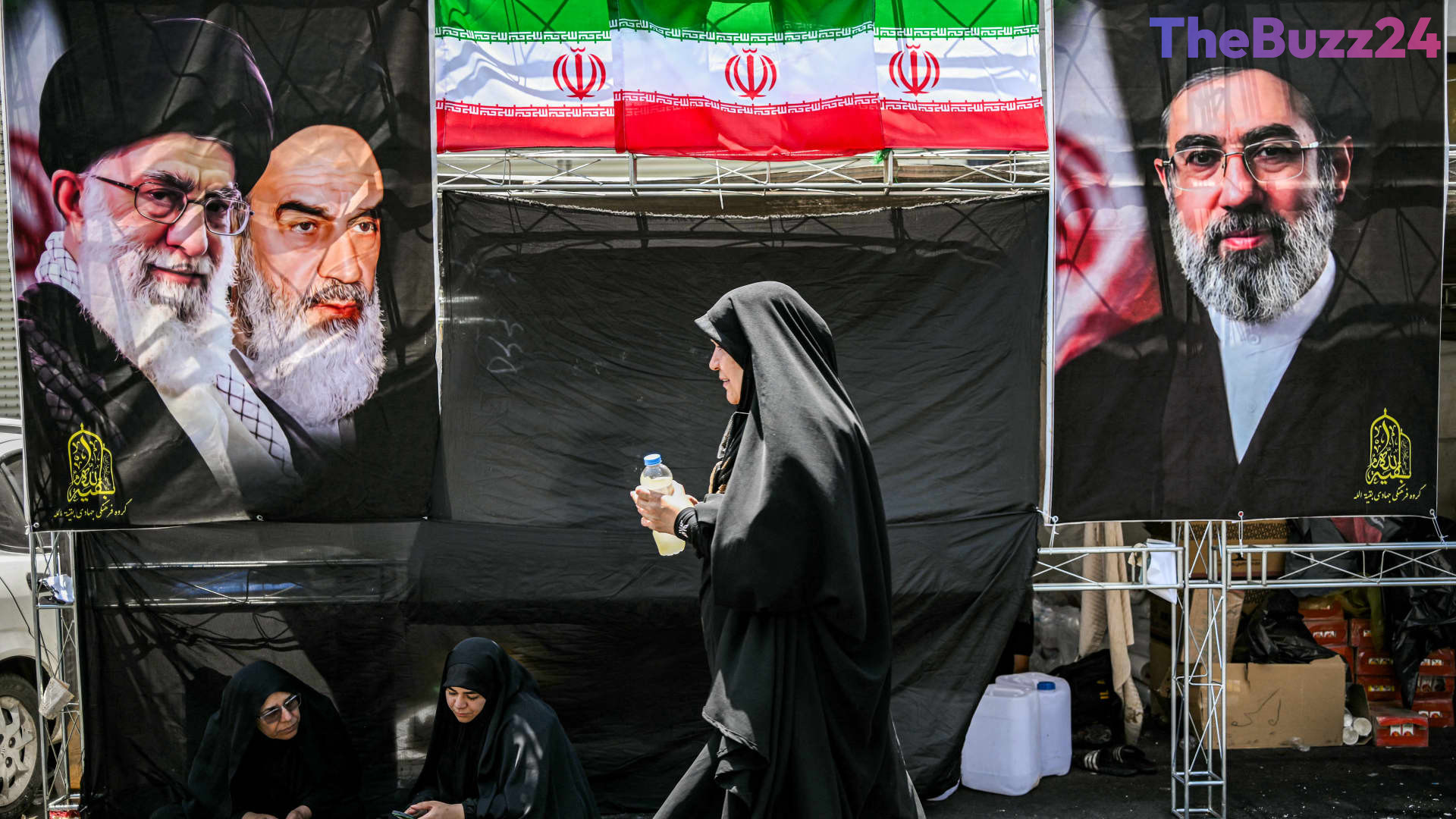
At the heart of the enforcement dilemma is the division of power within Tehran. While the civilian government, led by the president, typically engages in diplomacy and seeks economic relief from crippling international sanctions, national security and military strategy remain under the purview of Supreme Leader Ayatollah Ali Khamenei and the IRGC. Operating with substantial autonomy during active conflicts, the IRGC controls critical assets such as ballistic missiles, drone fleets, intelligence networks, and international proxy relationships. Because these military branches and aligned regional groups often interpret ceasefire terms differently, maintaining a unified front or guaranteeing compliance remains exceptionally difficult.
Furthermore, analysts note that hardline factions within Iran’s security establishment may view continued regional friction and leverage in vital shipping lanes as strategic assets rather than obstacles. As international diplomats continually push to revive peace talks, the fragmented nature of Iran’s leadership structure ensures that translating battlefield dynamics into stable, enforceable political agreements will remain a formidable challenge for the foreseeable future.
Key Takeaways
- Iran's fragmented power structure between the civilian government and the IRGC complicates the enforcement of any potential ceasefire.
- The IRGC operates with significant operational autonomy over missiles, drones, and regional proxy networks, often diverging from diplomatic efforts.
- Competing priorities within Tehran make translating battlefield realities into stable political agreements exceptionally difficult.
Editor’s Analysis & Impact
The fractured command structure within Iran presents a systemic challenge for international diplomacy and regional stability. When military power and operational decision-making are decentralized among the Supreme Leader, the IRGC, and allied proxy groups, traditional diplomatic frameworks often fail because a signed agreement by civilian authorities does not automatically guarantee compliance on the ground. For global markets, particularly energy sectors dependent on secure transit through the Strait of Hormuz and the Red Sea, this means heightened volatility will likely persist. Moving forward, any realistic peace initiative must account for the competing economic and security ambitions of Iran’s internal factions, suggesting that long-term stabilization will require multi-tiered negotiations that directly engage the security establishment rather than relying solely on traditional state diplomacy.
Frequently Asked Questions
Q: Who holds ultimate authority over national security decisions in Iran?
A: While the president leads the civilian government, ultimate authority over national security rests with Supreme Leader Ayatollah Ali Khamenei, alongside the powerful Islamic Revolutionary Guard Corps (IRGC).
Q: Why does Iran's power structure complicate ceasefire agreements?
A: A ceasefire must pass through multiple layers of command where different factions, such as the IRGC and regional proxies, may interpret terms differently or prioritize continued strategic leverage over compliance.
Q: What role does the IRGC play in Iran's military operations?
A: The IRGC acts as the dominant military and security institution, overseeing missile forces, drones, internal security through the Basij paramilitary, and relationships with regional armed groups outside the direct control of the civilian government.
AI Disclosure: This article is based on verified data and official reports. Our Team and AI have cross-referenced every financial detail with primary sources to ensure total accuracy.
More from this Category