CFTC Chair Defends Landmark Approval of Perpetual Futures in the US Amid Industry Pushback
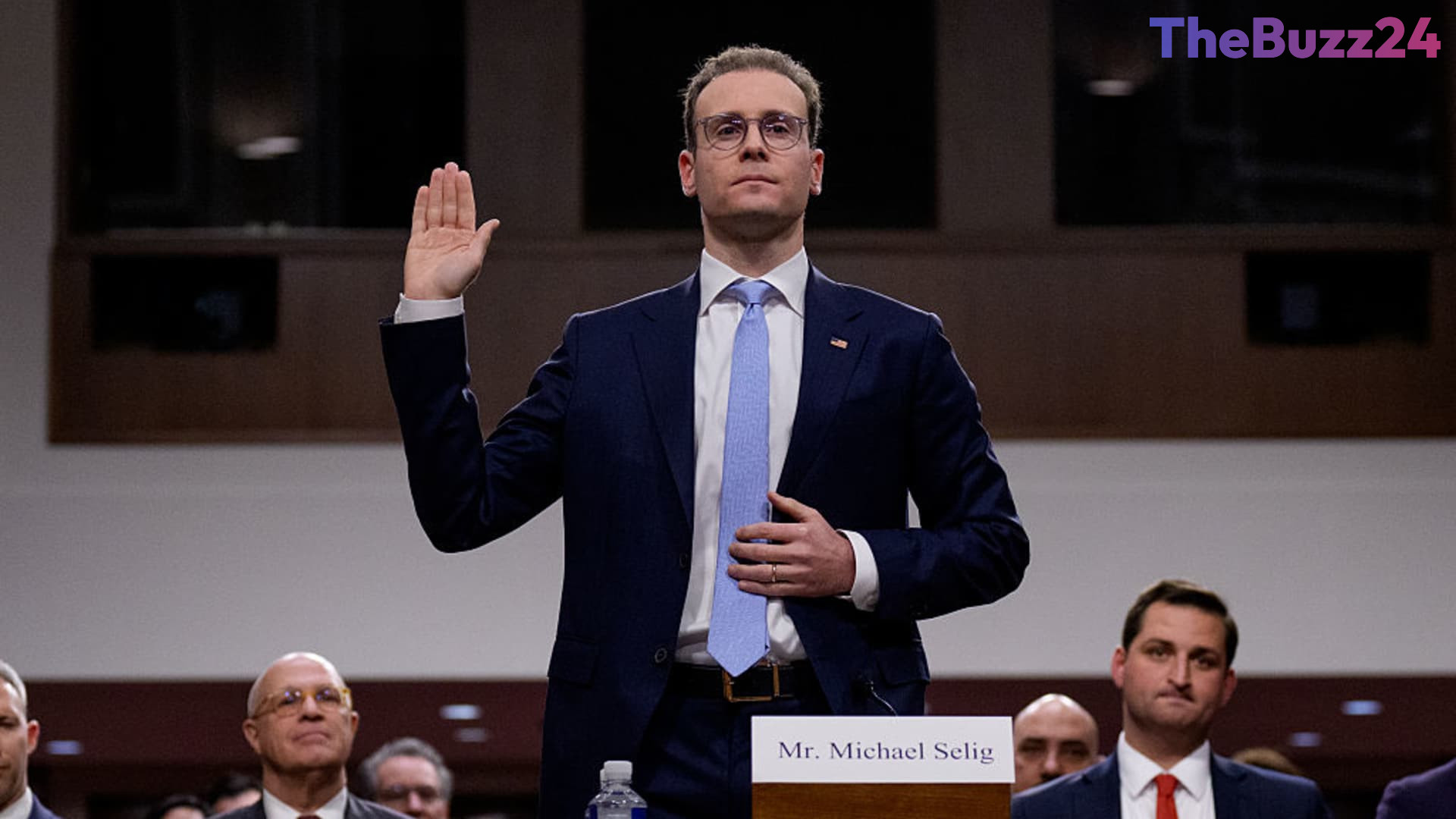
The Commodity Futures Trading Commission (CFTC) is standing firm on its decision to permit perpetual futures contracts within the United States. CFTC Chair Michael Selig recently addressed critics of the move, arguing that bringing these highly sought-after financial instruments onshore under a robust regulatory framework is essential for keeping pace with global financial innovation. Perpetual futures, commonly referred to as “perps,” function similarly to traditional futures contracts but lack an expiration date, allowing traders to speculate on asset prices indefinitely without holding the underlying asset.
The regulatory shift began in late May when prediction market platform Kalshi received approval to launch Bitcoin perpetual futures, marking the first time the asset class has been legally offered in the U.S. Since then, Kalshi has expanded its offerings to include other cryptocurrencies, meeting with massive market demand. During its initial beta testing phase, Kalshi reported over $3 billion in notional trading volume in just over a week, highlighting the strong appetite among domestic investors for these products.
Despite the commercial success, the approval has drawn sharp criticism from established industry players. CME Group CEO Terrence Duffy voiced concerns regarding the high leverage and inherent risks associated with perpetual contracts. However, Selig dismissed these paternalistic arguments, pointing out that other widely accepted financial instruments, such as options, are equally complex. He emphasized that proper disclosure and broker-led suitability evaluations are the correct mechanisms to protect retail investors, rather than outright bans. Furthermore, Kalshi CEO Tarek Mansour clarified that the platform’s maximum leverage is capped at approximately six times, which is actually lower than the leverage permitted on some of CME’s own traditional futures contracts.
Selig also flatly rejected allegations that the CFTC’s decision was politically motivated. Critics had raised questions due to Donald Trump Jr. serving as a strategic advisor to Kalshi. Selig characterized any insinuation of political influence from the Trump administration as entirely baseless, maintaining that the agency’s decision-making process was strictly focused on regulatory modernization and market safety.
Key Takeaways
- The CFTC has approved perpetual futures ('perps') for the first time in the U.S., starting with Kalshi's Bitcoin offerings.
- CFTC Chair Michael Selig defended the decision against criticism from CME Group, arguing that onshoring these products ensures safer, regulated trading.
- Kalshi's perps saw over $3 billion in notional volume during beta testing, with leverage capped at 6x to mitigate risk.
Editor’s Analysis & Impact
The CFTC’s approval of perpetual futures represents a pivotal moment for U.S. financial markets, bridging the gap between highly popular offshore crypto trading mechanisms and regulated domestic exchanges. Historically, U.S. traders seeking ‘perps’ had to navigate unregulated offshore platforms, exposing them to significant counterparty risks. By bringing these products under the CFTC’s purview, the regulator is attempting to balance innovation with investor protection. However, this move has sparked a turf war between traditional legacy exchanges like CME Group and agile fintech disruptors like Kalshi. Moving forward, we expect to see heightened competition and a potential influx of institutional capital into domestic crypto derivatives. The success of this regulatory experiment will likely depend on how effectively brokers enforce suitability standards and manage systemic leverage risks in volatile market conditions.
Frequently Asked Questions
Q: What are perpetual futures ('perps')?
A: Perpetual futures are financial derivative contracts that allow traders to speculate on the future price of an asset without an expiration date. Unlike traditional futures, they can be held indefinitely.
Q: Why did the CME Group criticize the CFTC's approval of these contracts?
A: CME Group CEO Terrence Duffy raised concerns about the high leverage and complexity of perpetual contracts, suggesting they pose significant risks to retail investors.
Q: How is risk being managed on these new U.S. perpetual contracts?
A: Platforms like Kalshi have capped maximum leverage at around six times, which is lower than some traditional futures contracts. Additionally, CFTC Chair Michael Selig emphasized that brokers are responsible for evaluating customer suitability and ensuring proper risk disclosures.
AI Disclosure: This article is based on verified data and official reports. Our Team and AI have cross-referenced every financial detail with primary sources to ensure total accuracy.
More from this Category