Focus Shift: How Elon Musk Pivoted Tesla’s Earnings Calls from EV Manufacturing to AI and Robotics
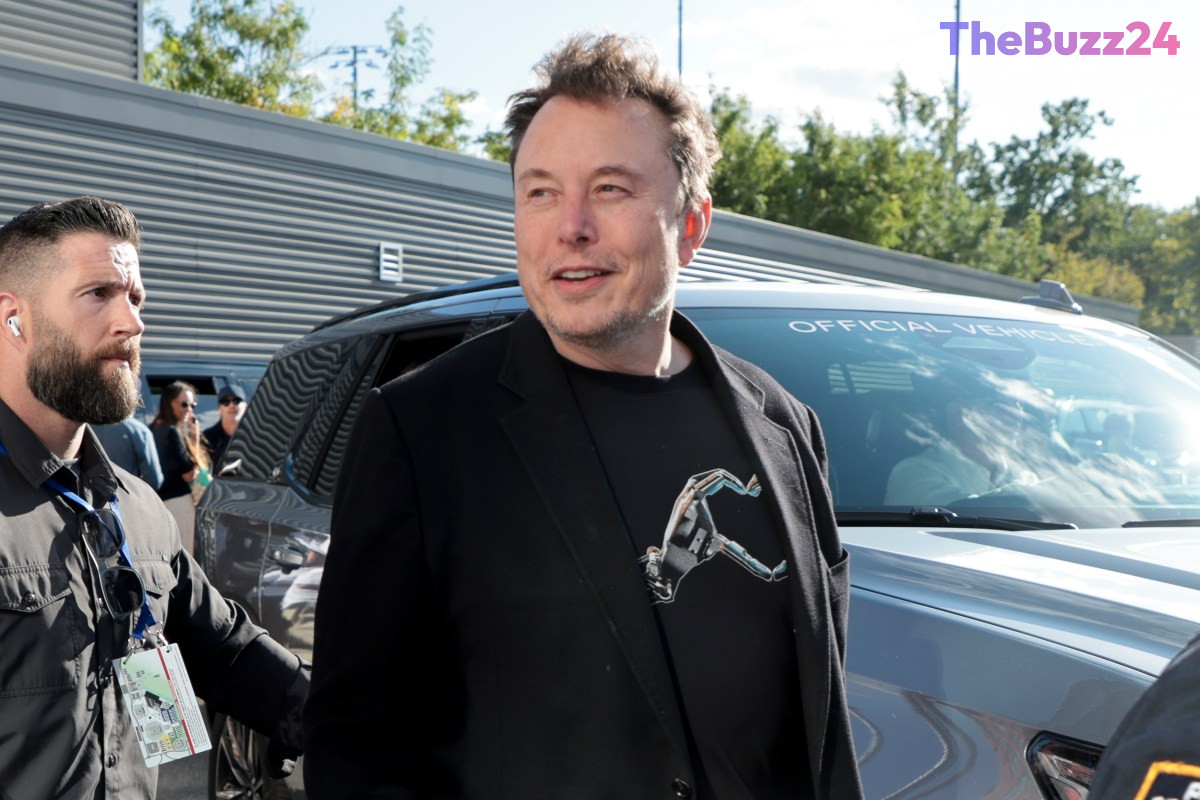
Tesla Chief Executive Elon Musk is increasingly steering public discussions away from electric vehicle manufacturing and toward artificial intelligence and robotics. Despite EV deliveries accounting for roughly 70% of Tesla’s revenue and the company shipping nearly half a million vehicles last quarter, Musk’s commentary on quarterly earnings calls reflects a stark strategic pivot. Analysis of corporate financial transcripts shows that nearly half of Musk’s speaking time during earnings presentations is now dedicated to topics such as autonomous driving software, robotaxis, and AI initiatives, up significantly from under 20% in prior years.
This strong emphasis on high-tech autonomy comes as Tesla’s core automotive segment faces decelerating growth and heightened global competition, particularly from legacy automakers and rapidly expanding Chinese electric vehicle manufacturers. Musk has explicitly argued that evaluating Tesla purely as an auto manufacturer uses the wrong framework, insisting that the company’s ultimate value hinges on solving full self-driving capabilities. While early discussions surrounding the Optimus humanoid robot represented a minor fraction of executive commentary after its 2021 reveal, the project now regularly commands a major portion of Musk’s focus during financial updates.
While Musk has aggressively embraced this futuristic narrative, other top Tesla executives are transitioning their focus at a more measured pace. Chief Financial Officer Vaibhav Taneja and Vice President of Engineering Lars Moravy continue to spend a notable portion of their earnings call commentary addressing manufacturing operations and fiscal management. However, their discussion topics are also gradually migrating toward AI ventures as traditional car sales face market headwinds, signaling a broader executive effort to reframe Tesla as a pioneer in robotics despite current revenues remaining heavily anchored in vehicle sales.
Key Takeaways
- Elon Musk now spends nearly 50% of his commentary on Tesla earnings calls discussing AI, autonomous driving, and robotics.
- Executive discussion around core vehicle manufacturing has declined as competition in the EV market intensifies.
- Despite the strategic pivot toward futuristic technologies, vehicle sales still generate approximately 70% of Tesla's revenue.
Editor’s Analysis & Impact
Elon Musk’s deliberate shift toward AI and robotics on earnings calls is a strategic effort to reframe Tesla’s market valuation. By defining Tesla as an artificial intelligence enterprise rather than a traditional automaker, leadership aims to secure the higher valuation multiples typically reserved for high-growth tech firms. However, this creates a notable tension between present financial realities—where EV deliveries remain the primary revenue driver—and long-term speculative projects. While initiatives like the Optimus humanoid robot and autonomous robotaxis present immense future potential, they carry substantial regulatory and technical execution risks. Investors are increasingly being asked to value Tesla on its potential as an autonomy leader while its core automotive business contends with tightening margins and aggressive global competition.
Frequently Asked Questions
Q: What percentage of Tesla's revenue comes from vehicle sales?
A: Vehicle sales currently account for approximately 70% of Tesla's total revenue.
Q: How much time does Elon Musk spend discussing AI on Tesla earnings calls?
A: Elon Musk now spends nearly 50% of his speaking time on quarterly calls discussing AI, Full Self-Driving software, and robotaxis.
Q: What is Tesla's Optimus project?
A: Optimus is Tesla's humanoid robot project, first announced in 2021, which has become a central element in Musk's long-term vision for the company's robotics pipeline.
AI Disclosure: This article is based on verified data and official reports. Our Team and AI have cross-referenced every financial detail with primary sources to ensure total accuracy.
More from this Category