India Leads Adoption of OpenAI’s ChatGPT Images 2.0 Amidst Varied Global Reception
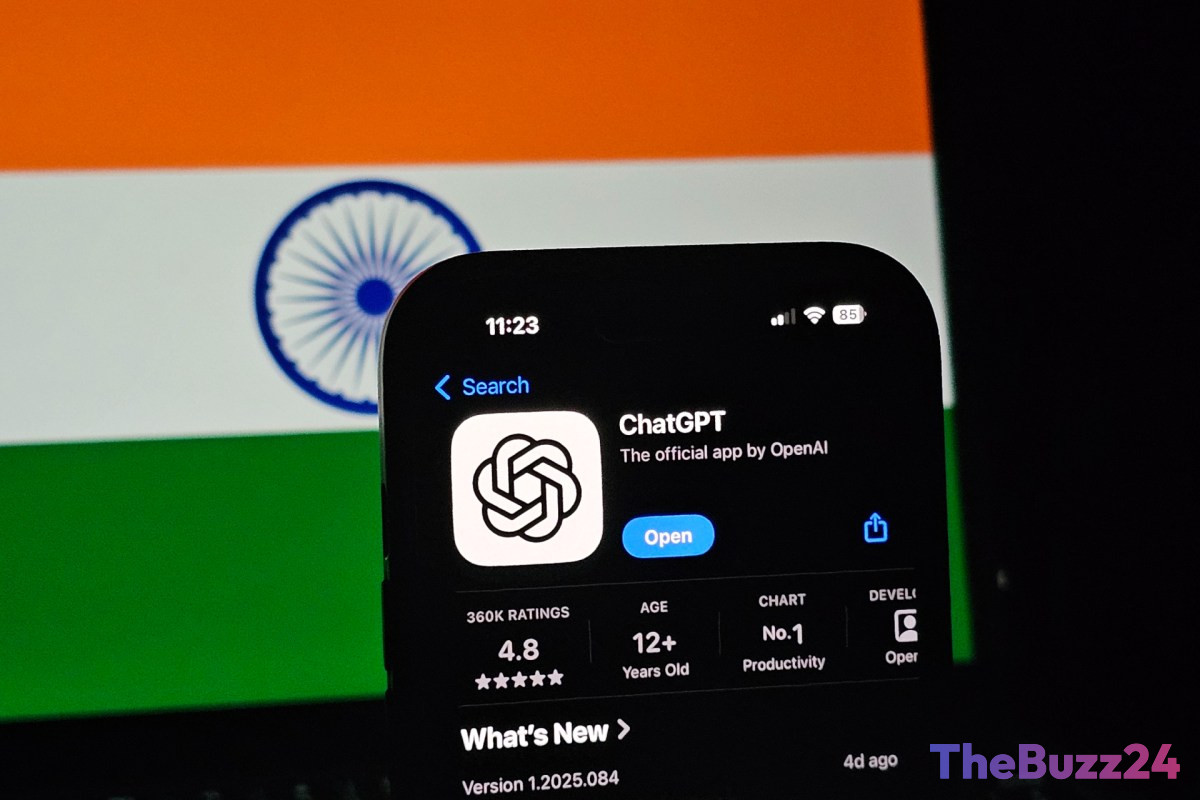
OpenAI’s latest iteration of its image generation tool, ChatGPT Images 2.0, has seen a notable surge in adoption within India since its recent launch. While the South Asian nation has quickly become the largest user base for the advanced AI, global response appears more measured, with overall growth showing modest increases alongside significant spikes in specific emerging markets. This upgrade is engineered to process more intricate prompts and generate highly detailed visuals, including accurate text across multiple languages, marking a significant step forward in AI-driven creativity.
Early usage patterns reveal a distinct trend in India, where users are primarily leveraging ChatGPT Images 2.0 for personal expression. This includes crafting personalized visuals such as avatars, stylized portraits from everyday photos, and imaginative, fantasy-themed images that place individuals at the center of creative narratives. This focus on self-expression highlights a unique cultural adoption, contrasting with the more functional applications often seen in other technological rollouts.
Beyond India, data indicates a mixed global reception. While overall app downloads for ChatGPT saw an 11% week-over-week increase following the launch, daily active users and session engagement rose by only about 1%. Similarly, global web traffic experienced a limited uptick of approximately 1.6%. However, several other emerging markets, including Pakistan, Vietnam, and Indonesia, demonstrated sharper spikes in app downloads, with some regions seeing increases of up to 79% week-over-week during the rollout period, suggesting strong new-user demand in these areas.
The competitive landscape for AI image generation is rapidly evolving, with companies like Google also having seen strong early traction in India with their image-focused models. OpenAI’s commitment to improvements, such as enhanced rendering of non-Latin text (including Hindi and Bengali) and advanced “thinking” capabilities that refine outputs and generate multiple variations from a single prompt, positions ChatGPT Images 2.0 to cater to a diverse global audience. Users in India are already exploring a wide array of creative formats, from fantasy newspaper covers and tarot-style visuals to fashion mood boards and the restoration of older photographs, showcasing the tool’s versatile potential for personal and artistic leverage.
Key Takeaways
- India has emerged as the largest user base for ChatGPT Images 2.0, primarily utilizing the tool for personal self-expression like avatars and stylized portraits.
- Global adoption shows modest overall growth, though other emerging markets such as Pakistan, Vietnam, and Indonesia experienced significant spikes in app downloads.
- OpenAI's latest iteration features advanced capabilities, including improved non-Latin text rendering and enhanced prompt processing, enabling diverse creative applications.
Editor’s Analysis & Impact
The strong adoption of ChatGPT Images 2.0 in India underscores the nation’s growing importance as a key market for AI innovation, particularly in creative applications. This trend suggests a future where AI image tools are increasingly personalized and integrated into daily digital expression, moving beyond mere utility to become platforms for self-identity and artistic exploration. The varied global reception, with significant spikes in other emerging markets, highlights the diverse cultural contexts influencing AI adoption and the need for localized features, such as improved non-Latin text rendering. This intensifying competition will likely drive further advancements in AI image generation, pushing developers to create more intuitive, versatile, and culturally relevant tools.
Frequently Asked Questions
Q: What is ChatGPT Images 2.0?
A: ChatGPT Images 2.0 is OpenAI's latest upgrade to its AI image generation tool, designed to handle more complex prompts, produce detailed visuals, and accurately render text in multiple languages.
Q: Why is India a significant market for ChatGPT Images 2.0?
A: India has emerged as the largest user base for ChatGPT Images 2.0, with users primarily leveraging the tool for personal self-expression, such as creating avatars, stylized portraits, and fantasy-themed images. This indicates a strong cultural resonance for AI-driven creative tools in the region.
Q: How does ChatGPT Images 2.0 enhance image generation capabilities?
A: The new version includes improvements like better rendering of non-Latin text (e.g., Hindi, Bengali) and advanced "thinking" capabilities that allow the AI to refine outputs and generate multiple variations from a single prompt, offering greater creative flexibility.
AI Disclosure: This article is based on verified data and official reports. Our Team and AI have cross-referenced every financial detail with primary sources to ensure total accuracy.
More from this Category