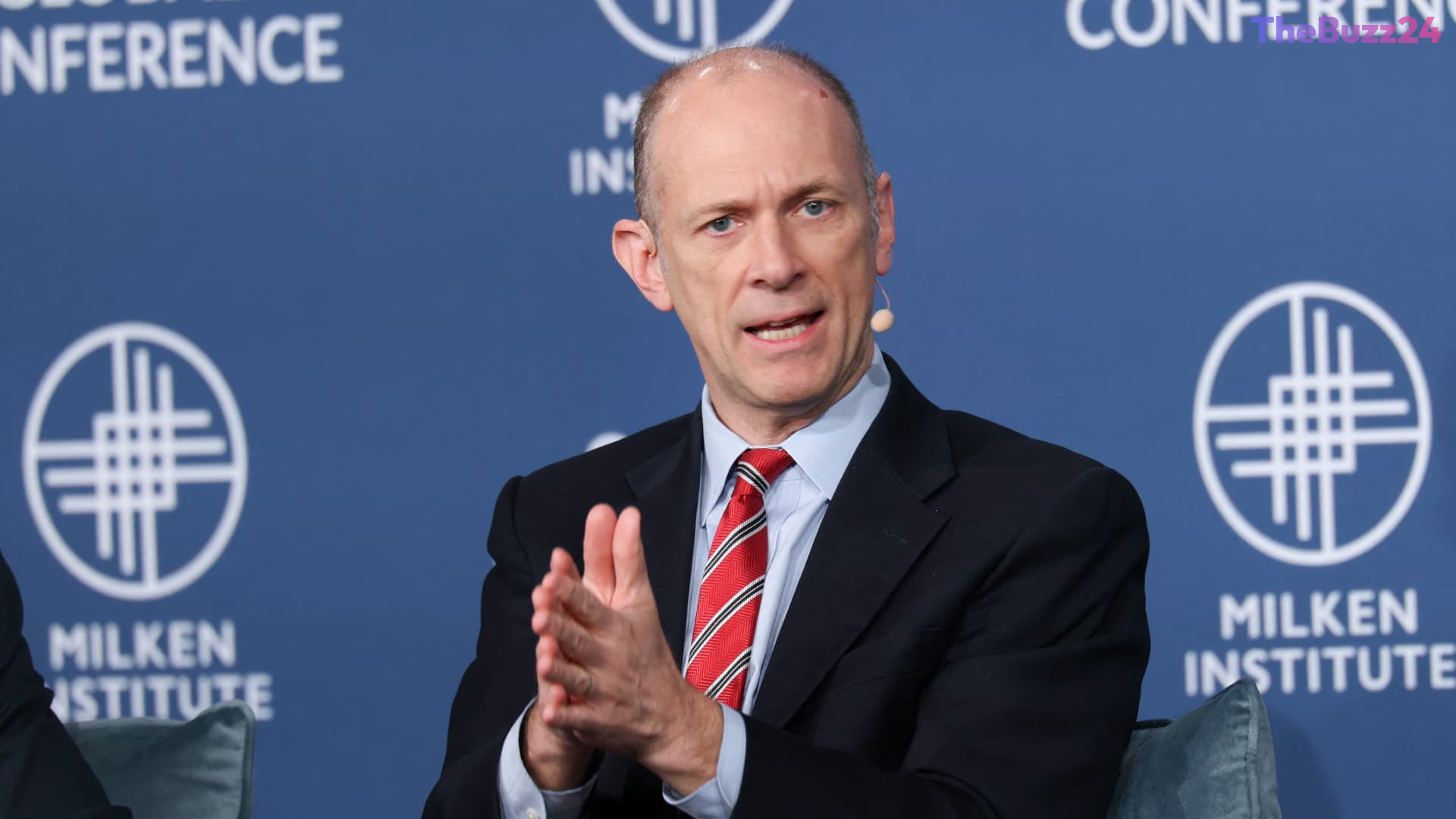
Chicago Fed’s Goolsbee Flags Energy Costs and AI Hype as Economic Risks
Chicago Federal Reserve President Austan Goolsbee has issued a cautionary outlook regarding the current economic climate, pointing to the dual pressures of persistent energy inflation and the potential for an AI-driven market bubble. Goolsbee noted that energy prices, particularly oil, have remained stubbornly high, creating a stagflationary environment that continues to challenge global markets. This ongoing volatility has defied earlier projections that costs would normalize, complicating the path toward economic stability for import-dependent nations.
Addressing his recent policy stance, Goolsbee defended his decision to dissent against the Federal Reserve’s 2025 rate cut. He argued that the data at the time did not sufficiently prove that inflationary pressures were transitory. While he maintains a long-term goal of seeing interest rates decline toward the 2% inflation target, he stressed that the current economic landscape demands a disciplined and cautious approach to monetary policy to avoid premature easing.
Furthermore, Goolsbee expressed concern over the rapid adoption of artificial intelligence. He warned that the market may be overestimating the immediate productivity benefits of AI, which could lead to economic overheating. By inflating equity valuations and fueling consumer spending based on speculative future wealth, the current AI boom risks creating inflationary side effects. Goolsbee urged regulators and policymakers to closely monitor whether massive capital expenditures in AI infrastructure, such as data centers, are beginning to translate into broader consumer price increases.
Key Takeaways
- Energy prices remain significantly higher than pre-conflict levels, creating persistent stagflationary pressures.
- Chicago Fed President Austan Goolsbee defended his dissent on 2025 rate cuts, citing insufficient evidence that inflation is cooling.
- The rapid integration of AI could lead to economic overheating if market speculation outpaces actual productivity gains.
Editor’s Analysis & Impact
The commentary from the Chicago Fed highlights a growing tension between traditional macroeconomic indicators and the speculative fervor surrounding emerging technologies. By linking AI infrastructure spending to potential consumer price inflation, Goolsbee is signaling that the central bank is looking beyond standard metrics to understand how digital transformation impacts the real economy. The market impact of this perspective is significant; it suggests that the Federal Reserve may remain ‘higher for longer’ if it perceives that asset bubbles—fueled by AI optimism—are stimulating demand-side inflation. Investors should prepare for a period where monetary policy is increasingly sensitive to equity market valuations and corporate capital expenditure cycles. The broader implication is that the ‘productivity miracle’ promised by AI may take longer to materialize, and in the interim, it could act as a catalyst for volatility rather than a stabilizing force for the economy.
Frequently Asked Questions
Q: Why is the Chicago Fed concerned about AI?
A: The concern is that the rapid, speculative investment in AI could inflate equity prices and boost consumer spending, which may inadvertently drive up inflation before the technology actually delivers measurable productivity gains.
Q: What is the current stance on interest rates according to Goolsbee?
A: Goolsbee advocates for a cautious approach, arguing that interest rates should only be lowered when there is clear, sustained evidence that inflation is trending toward the 2% target.
AI Disclosure: This article is based on verified data and official reports. Our Team and AI have cross-referenced every financial detail with primary sources to ensure total accuracy.
More from this Category