Minneapolis Fed Chief Kashkari Signals Continued Focus on Inflation Targets
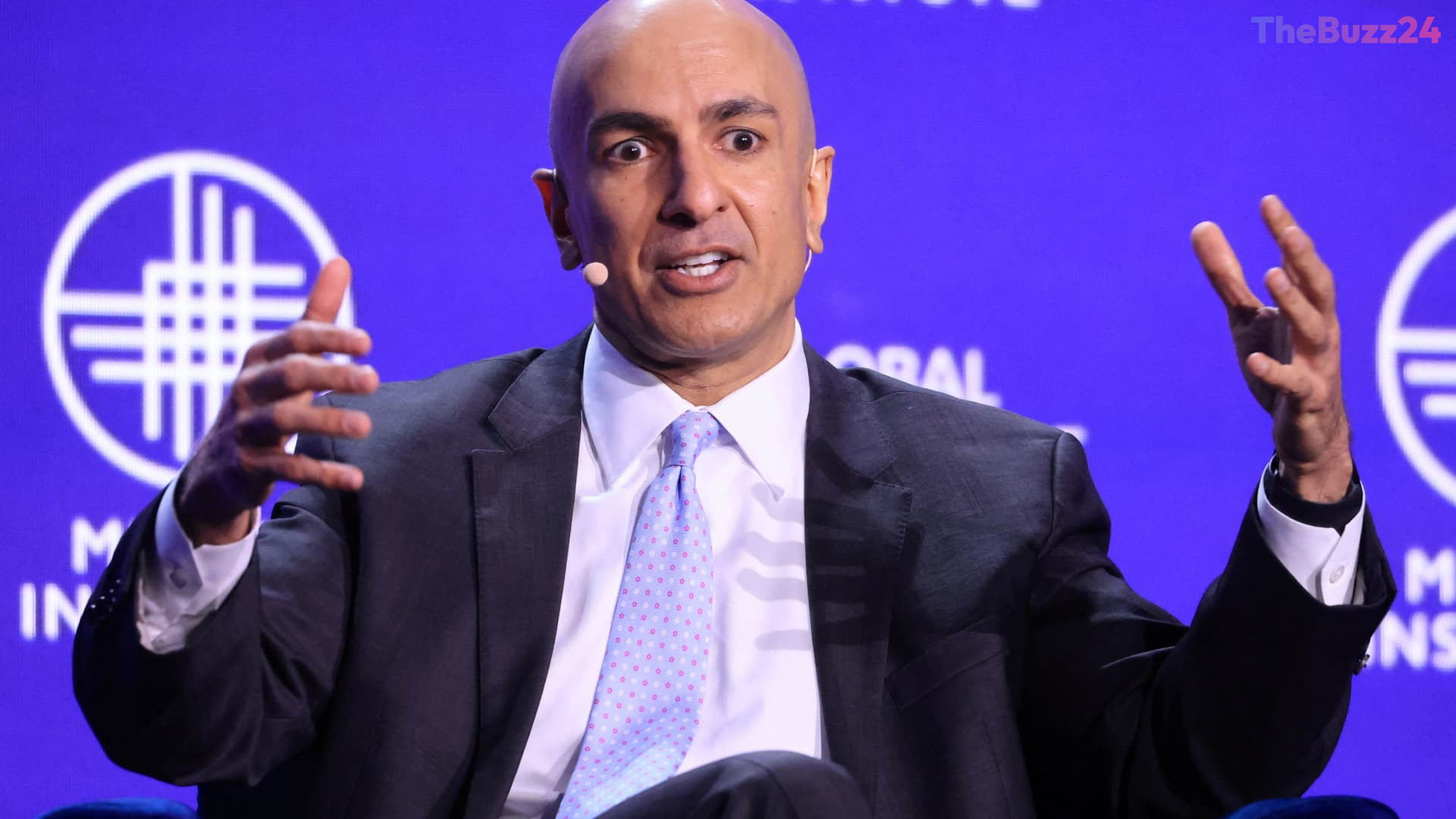
Minneapolis Federal Reserve President Neel Kashkari has reiterated that the central bank’s primary mission remains the reduction of inflation to its 2% target. Despite a currently resilient labor market, Kashkari cautioned that failing to address persistent price pressures could lead to unanchored consumer expectations, potentially necessitating more aggressive monetary interventions to stabilize the economy.
Kashkari pointed to a complex web of global factors fueling current inflationary trends, including the residual impacts of the pandemic, geopolitical instability, and surging costs for essential commodities like energy and fertilizers. These input costs are being monitored closely as the Federal Reserve attempts to balance the necessity of price stability with the ongoing health of the domestic workforce.
Looking ahead, the integration of artificial intelligence into the business landscape remains a key area of interest. While Kashkari acknowledged the potential for AI to drive significant productivity gains, he noted that it is premature to adjust monetary policy based on these developments. However, he suggested that if AI-driven efficiency leads to sustained economic growth, the central bank might be able to accommodate higher interest rate environments in the long term.
Furthermore, the central bank is considering a shift in how it communicates with the public. Kashkari expressed support for moving away from rigid forward guidance tools, such as the traditional ‘dot plot,’ in favor of more flexible strategies. By presenting a range of economic scenarios rather than fixed projections, the Federal Reserve aims to better navigate the inherent uncertainties of the modern financial landscape.
Key Takeaways
- The Federal Reserve maintains a 2% inflation target as its top priority despite current labor market stability.
- Global supply chain pressures, energy costs, and geopolitical conflicts continue to drive inflationary risks.
- The central bank is exploring more flexible communication strategies to replace rigid forward guidance tools like the 'dot plot'.
Editor’s Analysis & Impact
The Federal Reserve’s current stance reflects a delicate balancing act between managing persistent inflation and avoiding an unnecessary economic contraction. By signaling a move toward more flexible communication, officials like Kashkari are acknowledging that traditional forecasting models are increasingly strained by global volatility. The mention of artificial intelligence as a potential productivity catalyst is particularly significant; if AI can indeed boost long-term output, it may provide the Fed with more ‘breathing room’ regarding interest rate policy. However, until these gains materialize, the market should expect a data-dependent approach. Investors should remain cautious, as the shift toward scenario-based communication suggests that the Fed is preparing for a period of sustained uncertainty, moving away from the predictability that markets have historically relied upon.
Frequently Asked Questions
Q: Why is the Federal Reserve considering changing its communication tools?
A: The Fed is exploring more flexible communication, such as scenario-based reporting, because rigid tools like the 'dot plot' struggle to account for the high level of uncertainty in the current global economy.
Q: How might artificial intelligence affect future interest rates?
A: If artificial intelligence leads to sustained increases in economic productivity, the economy may be able to support higher interest rates without triggering a recession, according to Minneapolis Fed President Neel Kashkari.
AI Disclosure: This article is based on verified data and official reports. Our Team and AI have cross-referenced every financial detail with primary sources to ensure total accuracy.
More from this Category