China Proposes Global AI Cooperation Framework Amid Rising Tech Tensions
China has officially signaled its intent to spearhead a global artificial intelligence cooperation organization, positioning itself as a champion for inclusive technology development. During a recent briefing in Beijing, top diplomat Wang Yi emphasized that China is actively working to establish a framework that invites international participation, arguing that AI should be developed to serve the collective needs of humanity rather than being restricted by geopolitical barriers.
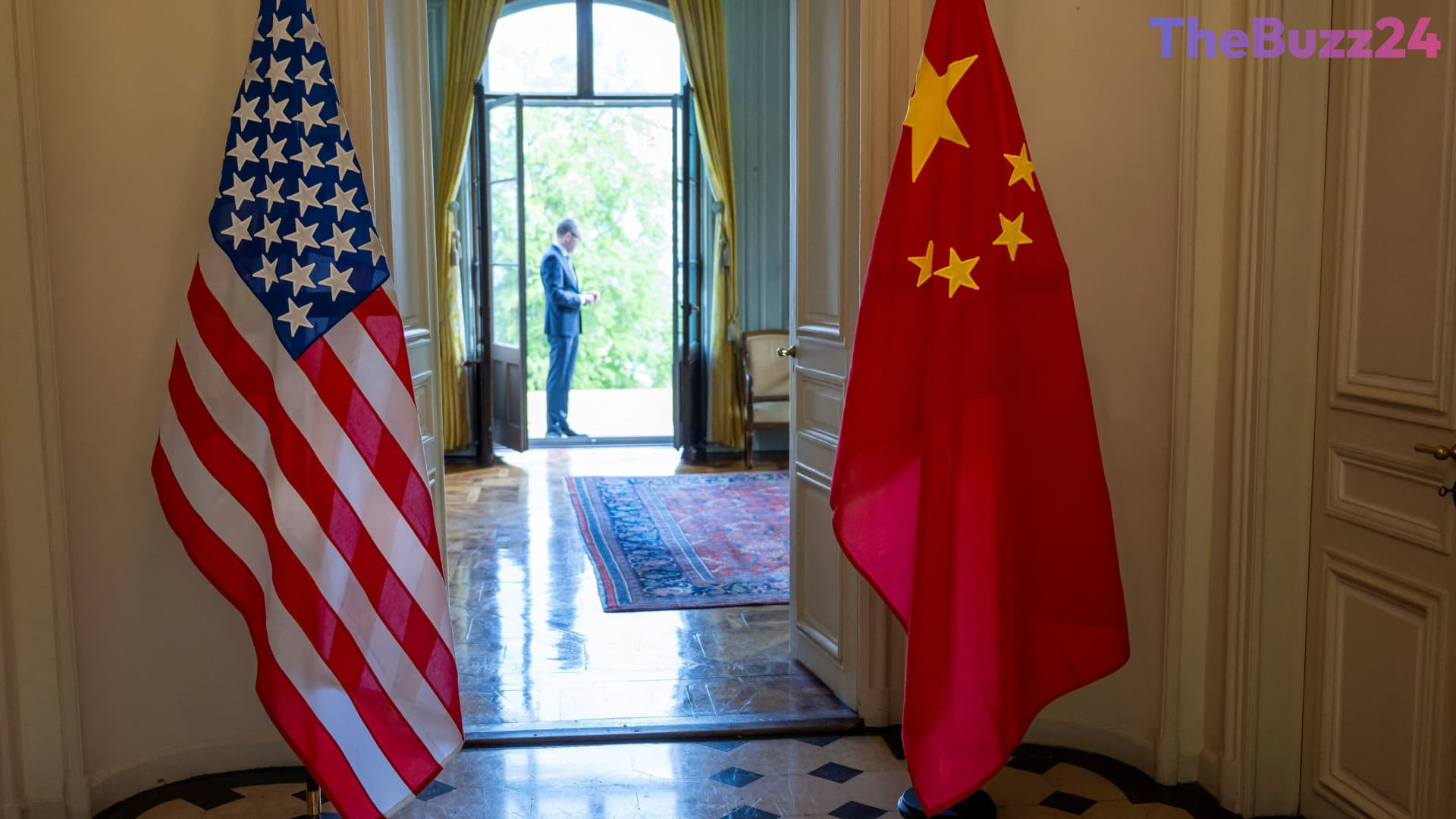
This initiative arrives at a time of deepening friction between Beijing and Western powers. While the G7 nations have been meeting to discuss strategies for managing AI development—including potential restrictions on access to advanced models—China is advocating for a more open, accessible approach. Chinese officials have explicitly criticized what they describe as ‘monopolistic’ and ‘exclusive’ tech policies, contrasting these with their own efforts to provide affordable or open-source AI models to the international community.
Beijing’s strategy appears to focus heavily on the Global South, leveraging platforms like the BRICS alliance and the Shanghai Cooperation Organization to promote its ‘AI Capacity Building for All’ initiative. By offering support for talent development and infrastructure, China aims to build a coalition that operates independently of U.S.-led governance models. Despite recent bilateral discussions between Washington and Beijing regarding AI safety guardrails, the two nations remain on divergent paths regarding how the future of global AI should be governed and distributed.
Key Takeaways
- China is actively seeking to establish a global AI cooperation organization to counter Western-led governance models.
- Beijing is positioning its AI strategy as more accessible and inclusive, specifically targeting the Global South with open-source or low-cost models.
- The divide between U.S. and Chinese approaches to AI development is widening, with the G7 focusing on restricted access for 'trusted partners' while China pushes for broader international collaboration.
Editor’s Analysis & Impact
The push for a China-led global AI organization represents a strategic pivot in the ongoing ‘tech cold war.’ By framing its AI development as a public good for the Global South, Beijing is attempting to build a diplomatic and technological bloc that bypasses U.S. export controls and intellectual property restrictions. This creates a fragmented global landscape where nations may soon have to choose between two distinct AI ecosystems—one governed by Western security and subscription-based models, and another defined by Chinese-backed open-source initiatives. The long-term implication is a potential ‘splinternet’ of AI, where interoperability between systems becomes increasingly difficult, and geopolitical alliances are solidified through shared technological infrastructure. Future developments will likely hinge on whether developing nations view China’s offer as a genuine opportunity for growth or as a mechanism for digital dependency.
Frequently Asked Questions
Q: What is China's proposed 'AI Capacity Building for All' initiative?
A: It is a Chinese government program aimed at helping developing nations gain access to AI technology, talent, and infrastructure to ensure they are not left behind in the global AI race.
Q: How does China's approach to AI models differ from the U.S. approach?
A: While the U.S. and its G7 partners are focusing on restricted access to advanced models for 'trusted partners' and often utilize subscription-based services, China is promoting the distribution of cheaper or free, fully downloadable AI models to foster wider adoption.
AI Disclosure: This article is based on verified data and official reports. Our Team and AI have cross-referenced every financial detail with primary sources to ensure total accuracy.
More from this Category