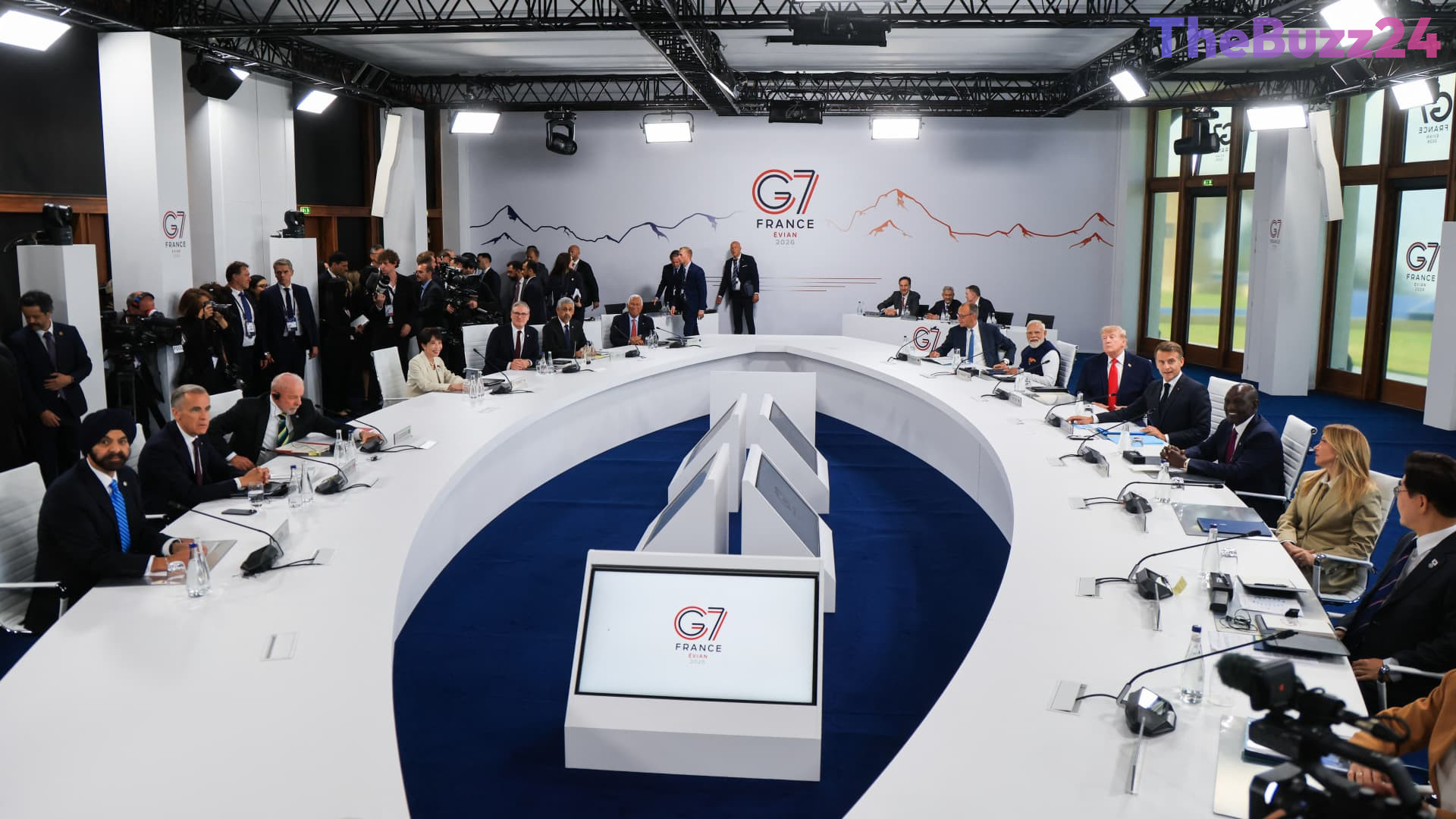
Tech Titans Take Center Stage: AI Leaders Join G7 Summit to Shape Global Policy
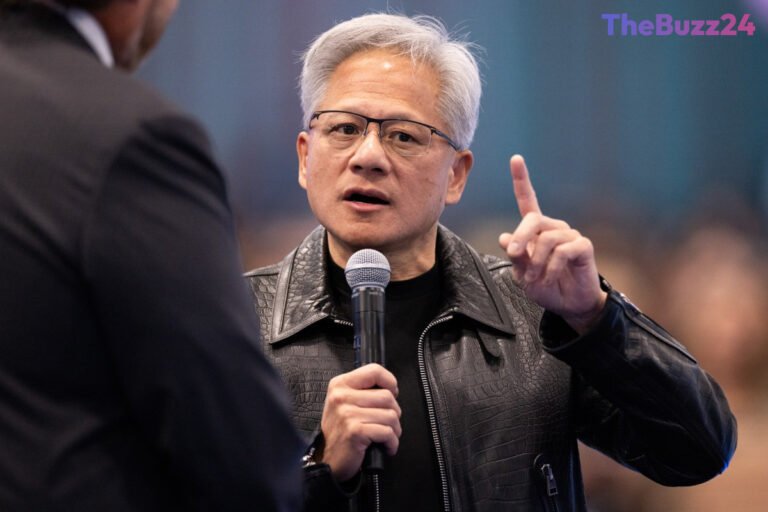
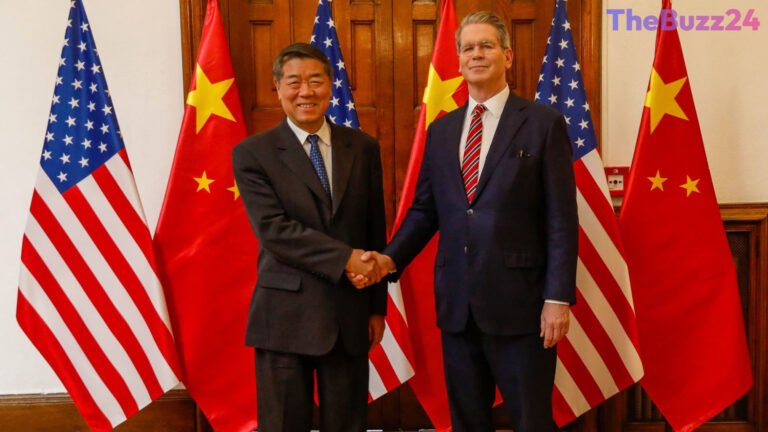
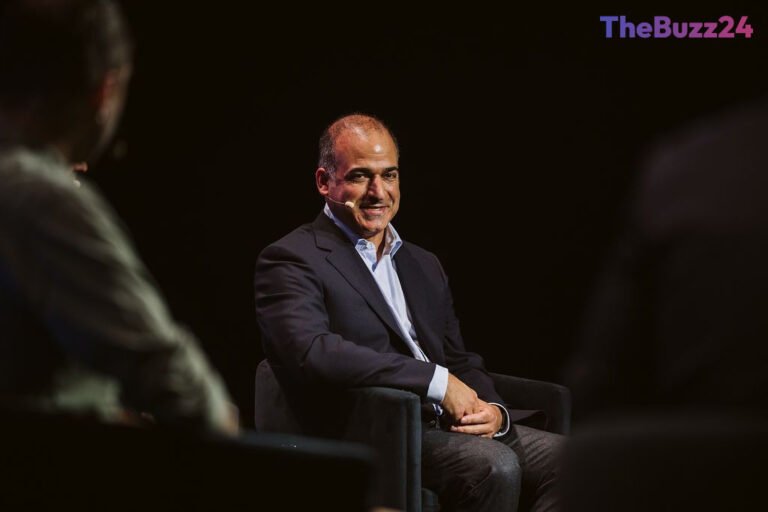
The landscape of global diplomacy is undergoing a significant transformation as the world’s leading artificial intelligence executives descend upon the G7 summit in France. High-profile figures, including OpenAI’s Sam Altman, Anthropic’s Dario Amodei, and Google DeepMind’s Demis Hassabis, are participating in high-level discussions alongside heads of state. This unprecedented inclusion of private sector tech leaders underscores the rising geopolitical weight of the companies currently driving the frontier of AI development.
The summit agenda is heavily focused on the intersection of technology and national security, with specific attention directed toward infrastructure, digital sovereignty, and the mitigation of risks associated with advanced AI models. Beyond these strategic concerns, the leaders are expected to address the protection of minors in digital spaces. The presence of executives from a diverse array of international firms—ranging from France’s Mistral to Japan’s Sakana—highlights the global nature of the current AI arms race and the necessity for cross-border cooperation.
Analysts suggest that this meeting marks a pivotal shift in how international policy is formulated. By inviting these executives to the table, G7 nations are acknowledging that effective regulation and credible safety commitments cannot be achieved without the direct cooperation of the entities building the technology. For the tech companies, the summit provides a critical platform to influence the development of voluntary standards, potentially establishing a global baseline for safety and ethics before more rigid, binding legislation is enacted by individual governments.
Key Takeaways
- Top AI executives from companies like OpenAI, Google, and Anthropic are meeting with G7 leaders to discuss global AI governance.
- The summit focuses on critical issues including AI infrastructure, national security, digital sovereignty, and online safety for children.
- The inclusion of private tech leaders in diplomatic summits signals a shift toward collaborative policy-making to preempt binding international regulations.
Editor’s Analysis & Impact
The integration of AI CEOs into G7 diplomatic proceedings represents a watershed moment for global governance. It reflects a tacit admission by sovereign states that the pace of technological innovation has outstripped traditional legislative processes. By engaging directly with the architects of frontier AI, the G7 is attempting to steer the development of ‘voluntary commitments’ that could serve as the foundation for future international law. However, this creates a delicate power dynamic: while governments gain necessary technical expertise, they risk ‘regulatory capture,’ where the companies themselves define the boundaries of their own oversight. Looking ahead, the success of these talks will likely determine whether the world moves toward a unified, interoperable AI safety framework or a fragmented landscape of competing national standards, heavily influenced by the strategic interests of the dominant AI labs.
Frequently Asked Questions
Q: Why are AI company CEOs attending the G7 summit?
A: They are attending to provide technical expertise and collaborate with world leaders on establishing global standards for AI safety, infrastructure, and national security.
Q: What is the primary goal of these discussions?
A: The goal is to reach a set of voluntary commitments regarding frontier AI risks, cyber capabilities, and child safety, which may eventually serve as a global baseline for future regulation.
AI Disclosure: This article is based on verified data and official reports. Our Team and AI have cross-referenced every financial detail with primary sources to ensure total accuracy.
More from this Category