China Tightens IPO Rules for Humanoid Robot Startups Amid Bubble Concerns
China’s securities regulator is implementing stricter requirements for humanoid robot startups attempting to go public, signaling a significant shift in how the government manages the rapidly expanding ’embodied AI’ sector. As global investors increasingly question the sustainability of current artificial intelligence valuations, Chinese authorities are moving to ensure that only companies with tangible commercial viability reach the public markets.
Under the new guidance, startups seeking an IPO must demonstrate sustainable revenue streams and secure commercial orders. Additionally, companies are expected to show a clear path toward narrowing financial losses, with regulators requiring detailed three-year financial forecasts. A third pillar of the new criteria mandates that firms possess proprietary core technology, specifically in areas such as robotic brains or advanced dexterity systems. These measures are intended to filter out speculative ventures that lack a functional business model.
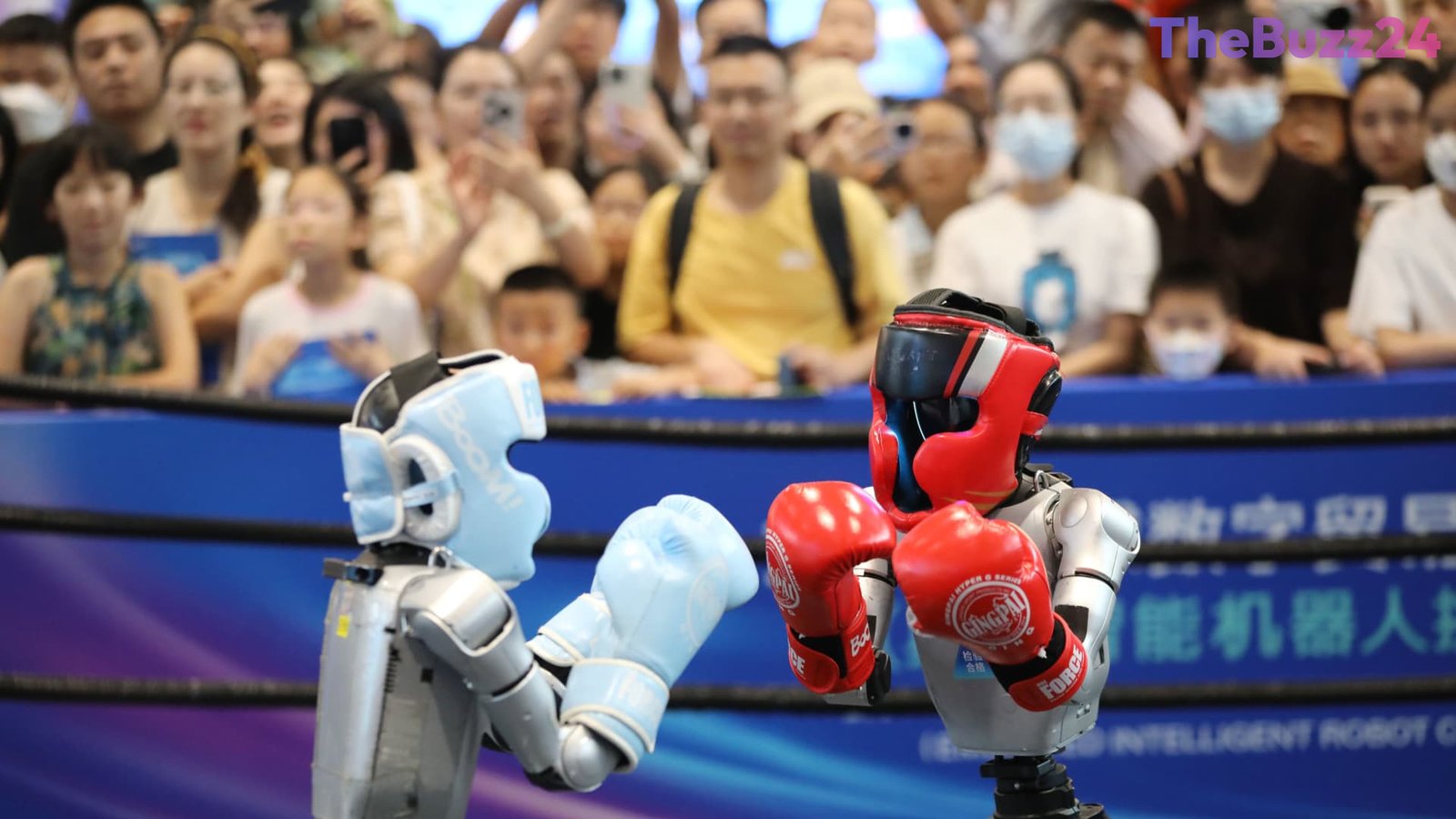
This regulatory tightening comes at a time when the industry has seen a massive influx of capital, with investment in the sector reaching 47.09 billion yuan in the second quarter alone. Despite this funding surge, many of the over 100 humanoid companies currently operating in China struggle to prove their technology is ready for widespread commercial application. With at least two dozen companies having filed for listings in Hong Kong, the new criteria may result in only a small fraction of these firms successfully navigating the IPO process.
The scrutiny follows a period of intense market volatility, where some companies saw their share prices skyrocket upon debut, only to face subsequent declines as investors realized the gap between prototype performance and mass-market utility. By enforcing these standards, regulators aim to curb potential market bubbles and ensure that capital is directed toward companies capable of delivering actual economic value rather than just theoretical innovation.
Key Takeaways
- Chinese regulators are mandating sustainable revenue, narrowing losses, and proprietary core technology for humanoid robot startups seeking IPOs.
- The new rules aim to address concerns regarding a potential market bubble in the 'embodied AI' sector, which has seen massive capital inflows.
- Many of the two dozen companies currently seeking listings in Hong Kong may fail to meet these stringent new financial and technical requirements.
Editor’s Analysis & Impact
The move by Chinese regulators to impose strict IPO criteria on humanoid robot startups represents a broader cooling of the ‘AI gold rush.’ By prioritizing commercial viability over speculative growth, the government is attempting to prevent the formation of a systemic bubble that could leave retail investors exposed to failing tech firms. This shift forces startups to pivot from ‘growth at all costs’ to a more disciplined focus on unit economics and tangible product utility. In the long term, this will likely lead to industry consolidation, where only the most technologically advanced and operationally efficient firms survive. While this may slow the pace of IPOs in the short term, it creates a more stable foundation for the robotics industry, potentially separating genuine innovators from companies merely riding the hype cycle of artificial intelligence.
Frequently Asked Questions
Q: Why is China tightening IPO rules for humanoid robot companies?
A: The regulator is concerned about a potential market bubble and wants to ensure that only companies with sustainable revenue, clear commercial orders, and proprietary technology are allowed to list on public exchanges.
Q: What are the three specific criteria for these startups?
A: The three criteria are: demonstrating sustainable revenue and commercial orders, showing a clear path to narrowing financial losses with a three-year forecast, and possessing core technology such as robotic brains or advanced hands.
AI Disclosure: This article is based on verified data and official reports. Our Team and AI have cross-referenced every financial detail with primary sources to ensure total accuracy.
More from this Category