China’s Automotive Sector Faces Steep Decline as Sales Plunge
The Chinese passenger vehicle market is bracing for its most difficult year since 2021, as a sharp downturn in consumer demand has forced industry experts to significantly lower growth expectations. Following a 20.2% decline in sales during the first half of 2026, the projected full-year outlook has been revised downward to a 14% contraction. This shift marks a stark reversal from the record-breaking performance observed in 2025, with total delivery volumes now expected to reach approximately 20.4 million units by year-end.
Several macroeconomic factors are fueling this slump, most notably the rising cost of fuel and a strategic reduction in government subsidies for new energy vehicles (NEVs). Internal combustion engine vehicles have been hit particularly hard, with retail sales for gasoline models plummeting by 42% in June alone. As consumers pull back, automakers are simultaneously grappling with surging raw material costs, including lithium and semiconductors, which have compressed industry profit margins to a thin 3.4%.
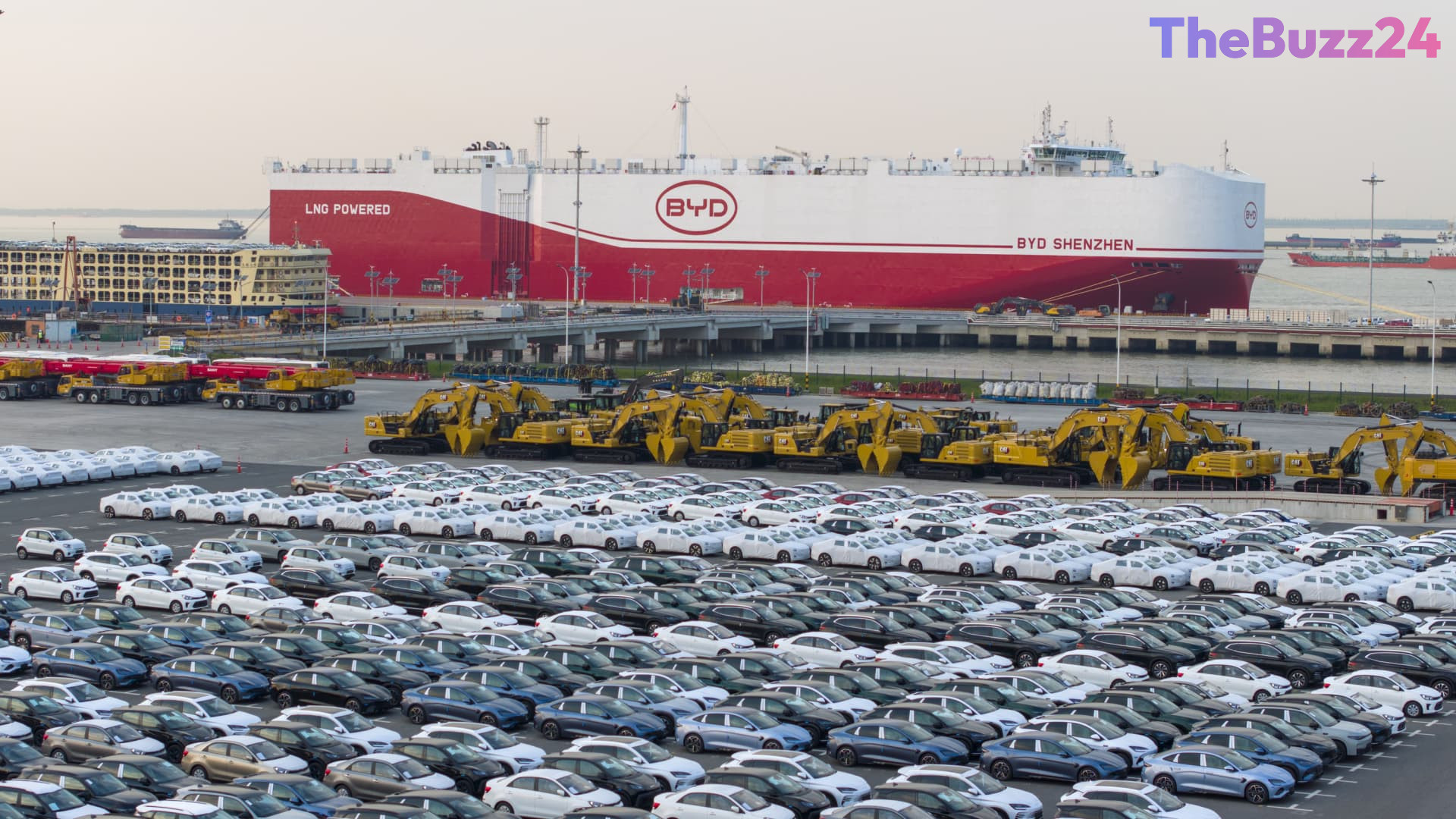
Industry analysts suggest that the current environment will likely trigger a period of intense consolidation. With profit margins under pressure, smaller manufacturers may struggle to survive, potentially leaving only a handful of dominant players by 2030. To achieve sustainable profitability, experts estimate that companies must reach an annual sales threshold of at least one million units. While domestic giants like BYD and Geely maintain significant volume, foreign manufacturers are also feeling the strain, with major brands reporting double-digit declines in their Chinese delivery figures.
Despite the current volatility, there is a cautious optimism regarding a recovery in 2027. The industry is increasingly looking toward international markets to offset domestic weakness, with exports surging by over 80% year-on-year in June. As global fuel prices remain high, the demand for affordable, Chinese-made electric vehicles is growing abroad, providing a potential lifeline for manufacturers as they navigate this cyclical downturn.
Key Takeaways
- China's passenger vehicle sales are projected to drop 14% in 2026, marking the worst performance for the sector since 2021.
- Rising fuel costs and the reduction of government subsidies for electric vehicles have significantly dampened domestic consumer demand.
- A surge in vehicle exports is being viewed as a critical driver for a potential market recovery in 2027.
Editor’s Analysis & Impact
The Chinese automotive market is undergoing a painful but necessary structural transformation. The transition from a subsidy-driven growth model to one defined by organic demand and economies of scale is weeding out inefficient players. The current ‘brutal’ market conditions are accelerating a consolidation phase that will likely result in a more resilient, albeit smaller, group of dominant manufacturers. From a global perspective, the aggressive pivot toward exports is a significant development; as Chinese automakers struggle at home, their push into international markets will likely disrupt established automotive hierarchies in Europe and emerging economies. The long-term outlook remains tied to the industry’s ability to maintain scale while navigating the high costs of battery technology and the cyclical nature of consumer replacement cycles.
Frequently Asked Questions
Q: Why are sales of gasoline-powered cars falling so sharply in China?
A: Sales of internal combustion engine vehicles are declining due to a combination of soaring fuel costs and a shift in consumer preference toward more cost-effective electric and hybrid alternatives.
Q: What is the minimum sales volume required for an automaker to be profitable in China?
A: Industry analysts estimate that an automaker needs to sell at least 500,000 units annually to break even, and 1 million units to achieve sustainable profitability.
AI Disclosure: This article is based on verified data and official reports. Our Team and AI have cross-referenced every financial detail with primary sources to ensure total accuracy.
More from this Category