China’s Diplomatic Tightrope: Xi Seeks Leverage in North Korea as Russia’s Influence Grows
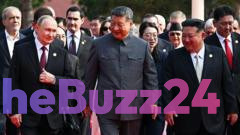
Chinese President Xi Jinping’s recent visit to North Korea signals a critical effort by Beijing to reassert its strategic sway over a historically vital, yet increasingly unpredictable, partner. While China and North Korea share deep historical ties, recent years have seen a strain in their relationship, prompting Beijing to recalibrate its approach amidst evolving regional dynamics.
China’s primary objectives are clear: to maintain stability along its border and exert influence in Pyongyang, all while avoiding entanglement in crises stemming from North Korea’s nuclear ambitions. A significant driver behind Xi’s visit is Beijing’s growing concern over the deepening partnership between Pyongyang and Moscow. Following Russian leader Vladimir Putin’s visit to North Korea and the signing of a mutual defense pact, China is keen to ensure North Korean leader Kim Jong Un remains within its sphere of influence, especially as Beijing expands its presence on the global stage. The burgeoning military cooperation between Russia and North Korea, including alleged ammunition supplies for the war in Ukraine in exchange for oil and aid, has quietly unsettled China, which holds the only formal defense treaty with Pyongyang.
To counter the perceived shift in allegiance, China has actively sought to reset its relationship with North Korea. This includes inviting Kim Jong Un to a military parade in Beijing, increasing bilateral trade, and resuming passenger train services after a six-year hiatus. For Kim, maintaining strong ties with China remains a pragmatic necessity. Despite past tensions, China serves as North Korea’s largest source of aid and trade. The potential for Russia’s need for North Korean support to diminish post-Ukraine war makes Beijing an indispensable partner, ensuring Pyongyang is not solely reliant on a potentially weakening ally.
This complex relationship sees North Korea serving as both a strategic buffer against U.S. forces and a burden due to its destabilizing weapons tests. While neither side fully trusts the other, their mutual need for strategic alignment and economic support ensures continued dialogue. China, while not endorsing Pyongyang’s nuclear program, has also refrained from direct confrontation, notably vetoing U.S.-led U.N. sanctions, to avoid pushing North Korea further into Russia’s embrace. This delicate balancing act underscores China’s intricate foreign policy objectives in a rapidly shifting geopolitical landscape.
Key Takeaways
- Xi Jinping's visit to North Korea aims to reassert China's influence and ensure regional stability amidst growing ties between Pyongyang and Moscow.
- China is concerned about Russia's increasing dominance in North Korea, which could diminish Beijing's leverage and complicate regional security dynamics.
- Despite historical tensions, North Korea pragmatically relies on China for economic aid and as a strategic counterweight, especially as Russia's long-term commitment remains uncertain.
Editor’s Analysis & Impact
Xi Jinping’s strategic visit to North Korea highlights a significant recalibration in Northeast Asian geopolitics. For the market, increased stability or instability in the Korean Peninsula directly impacts regional investment flows and supply chain resilience, particularly for industries reliant on East Asian manufacturing. The future outlook suggests China will continue its delicate balancing act, aiming to maintain its buffer against U.S. influence while preventing North Korea from becoming overly reliant on Russia, which could lead to unpredictable outcomes and heightened regional tensions. Broader implications include a further test of the cohesion of U.S.-led alliances in the region, as China seeks to project its power and influence. This move underscores the complex, multi-polar nature of current global diplomacy, where major powers constantly adjust alliances in response to evolving conflicts and national interests.
Frequently Asked Questions
Q: Why is China concerned about the Russia-North Korea partnership?
A: China is concerned that Russia's growing influence could reduce Beijing's leverage over Pyongyang, potentially leading to a less predictable North Korea and complicating regional stability. It also fears a stronger trilateral military response from the U.S., Japan, and South Korea.
Q: What are China's main objectives for Xi Jinping's visit to North Korea?
A: China aims to reassert its traditional influence over North Korea, ensure stability on its border, and position itself as a potential mediator between Pyongyang and Washington, all while navigating North Korea's nuclear ambitions and its deepening ties with Russia.
Q: How does North Korea benefit from its relationship with China?
A: North Korea relies on China as its largest source of economic aid and trade, providing a crucial lifeline. For Kim Jong Un, maintaining ties with Beijing offers a pragmatic alternative and strategic balance, especially if Russia's support diminishes after the Ukraine conflict.
AI Disclosure: This article is based on verified data and official reports. Our Team and AI have cross-referenced every financial detail with primary sources to ensure total accuracy.
More from this Category