China’s Import Shift Acts as Global Oil Buffer Amid Middle East Volatility
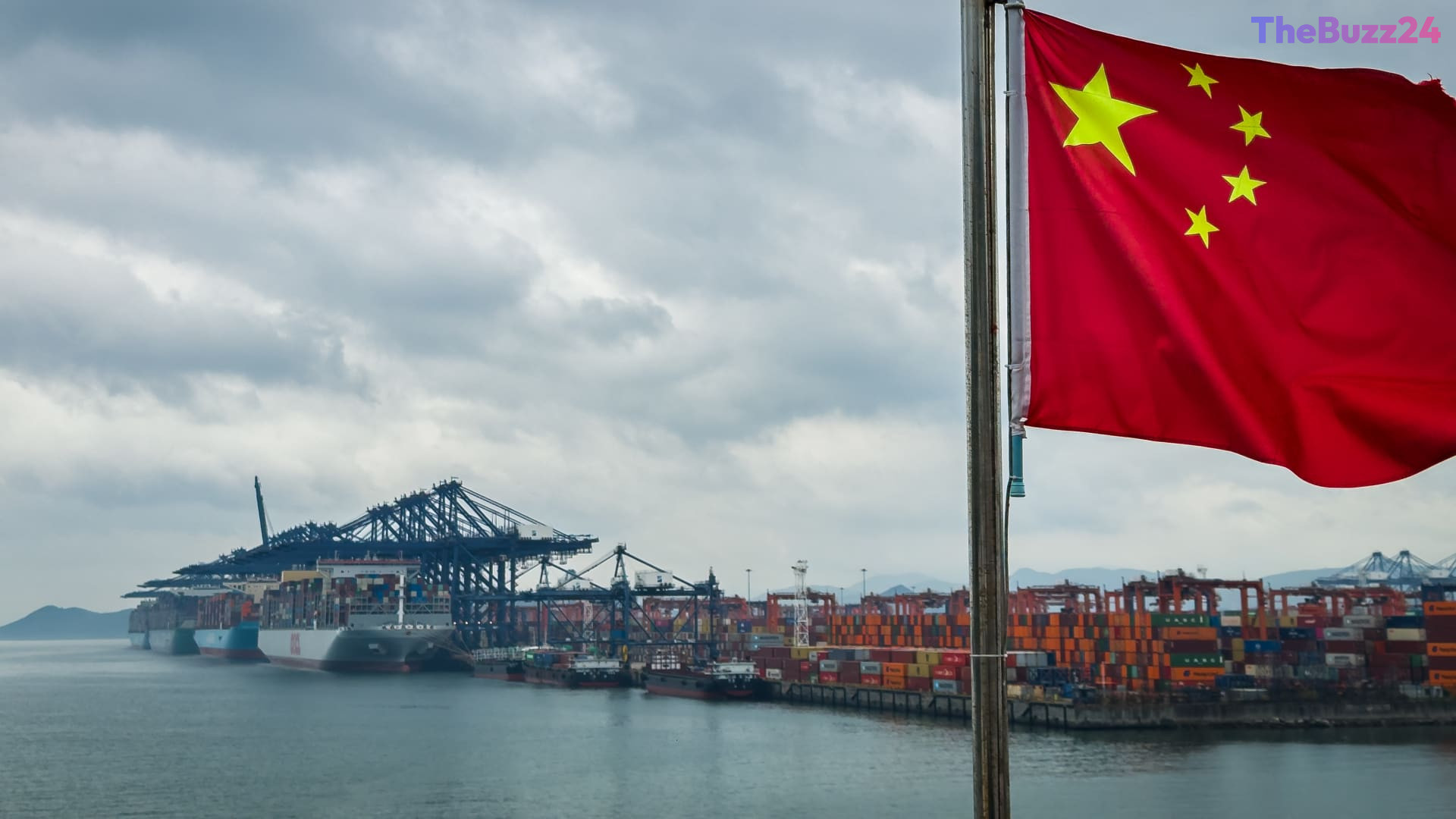
As the conflict in the Middle East reaches its 100-day milestone, global energy markets have avoided the catastrophic price spikes many analysts initially feared. While the closure of the Strait of Hormuz—a critical artery for roughly one-fifth of the world’s seaborne oil—has tightened supply, a significant reduction in Chinese crude imports has served as a vital pressure valve. By cutting imports from 11.7 million barrels per day in February to under 9 million by late May, China has effectively absorbed a disproportionate share of the global supply shock, keeping Brent crude prices from spiraling out of control.
This cooling effect has been bolstered by a combination of strategic inventory releases, increased production from nations like Brazil and Venezuela, and a rapid shift toward electrification within China’s own energy and transportation sectors. These factors have prevented a repeat of the 1973 oil crisis, even as direct military exchanges between Israel and Iran have periodically pushed Brent crude toward the $100-per-barrel threshold. Market observers note that China’s transition toward an energy surplus has fundamentally altered its role in the global market, providing a buffer that was not present in previous geopolitical crises.
Despite this relative stability, experts warn that the current market equilibrium may be fragile. As global inventories continue to deplete and nations look to replenish their strategic petroleum reserves, the demand for oil is expected to rise. Analysts suggest that the current price levels may not be sustainable in the long term, as the industry will eventually require higher returns to incentivize new production and address the structural supply gaps created by the ongoing regional instability.
Key Takeaways
- China’s significant reduction in crude imports has acted as a primary stabilizer, preventing global oil prices from reaching extreme highs during the Middle East conflict.
- The combination of strategic reserve releases and increased output from non-traditional producers has successfully offset the supply shock caused by the closure of the Strait of Hormuz.
- Analysts warn that the current price stability is temporary, as the eventual need to rebuild global stockpiles will likely drive oil prices higher in the coming months.
Editor’s Analysis & Impact
The current state of the global oil market demonstrates a complex interplay between geopolitical risk and structural shifts in demand. China’s pivot from a massive importer to a more self-sufficient energy player has fundamentally changed how the market reacts to supply-side shocks. However, the reliance on inventory drawdowns to keep prices below $100 is a finite strategy. As reserves reach critical lows, the market will face a ‘rebuilding’ phase that will likely exert upward pressure on prices. Furthermore, the industry’s long-term health depends on capital expenditure for new production, which is currently discouraged by the volatility of the conflict. Investors should anticipate a period of higher price floors as the global economy transitions from managing a supply shock to addressing long-term inventory depletion and the necessity of sustained production growth.
Frequently Asked Questions
Q: Why haven't oil prices spiked to $200 per barrel despite the Middle East conflict?
A: Prices have been tempered by a massive reduction in Chinese crude imports, the release of strategic petroleum reserves, and increased production from countries like Brazil and Venezuela, which have collectively offset the supply disruption in the Strait of Hormuz.
Q: What is the long-term outlook for oil prices according to market analysts?
A: Many analysts believe the current price levels are unsustainable. As nations move to replenish their strategic reserves and the need for new production investment grows, the equilibrium price for oil is expected to rise above current forward-curve projections.
AI Disclosure: This article is based on verified data and official reports. Our Team and AI have cross-referenced every financial detail with primary sources to ensure total accuracy.
More from this Category