Closing the Cloud Gap: U.S. Moves to Plug Nvidia Chip Loophole Used by Chinese AI Firms
As the global race for artificial intelligence supremacy intensifies, a significant loophole in U.S. export controls has come under intense scrutiny. While Washington has strictly prohibited the direct sale of its most advanced Nvidia semiconductors to China, Chinese AI developers are reportedly bypassing these restrictions by accessing the computing power of these chips remotely through data centers located in Southeast Asia.
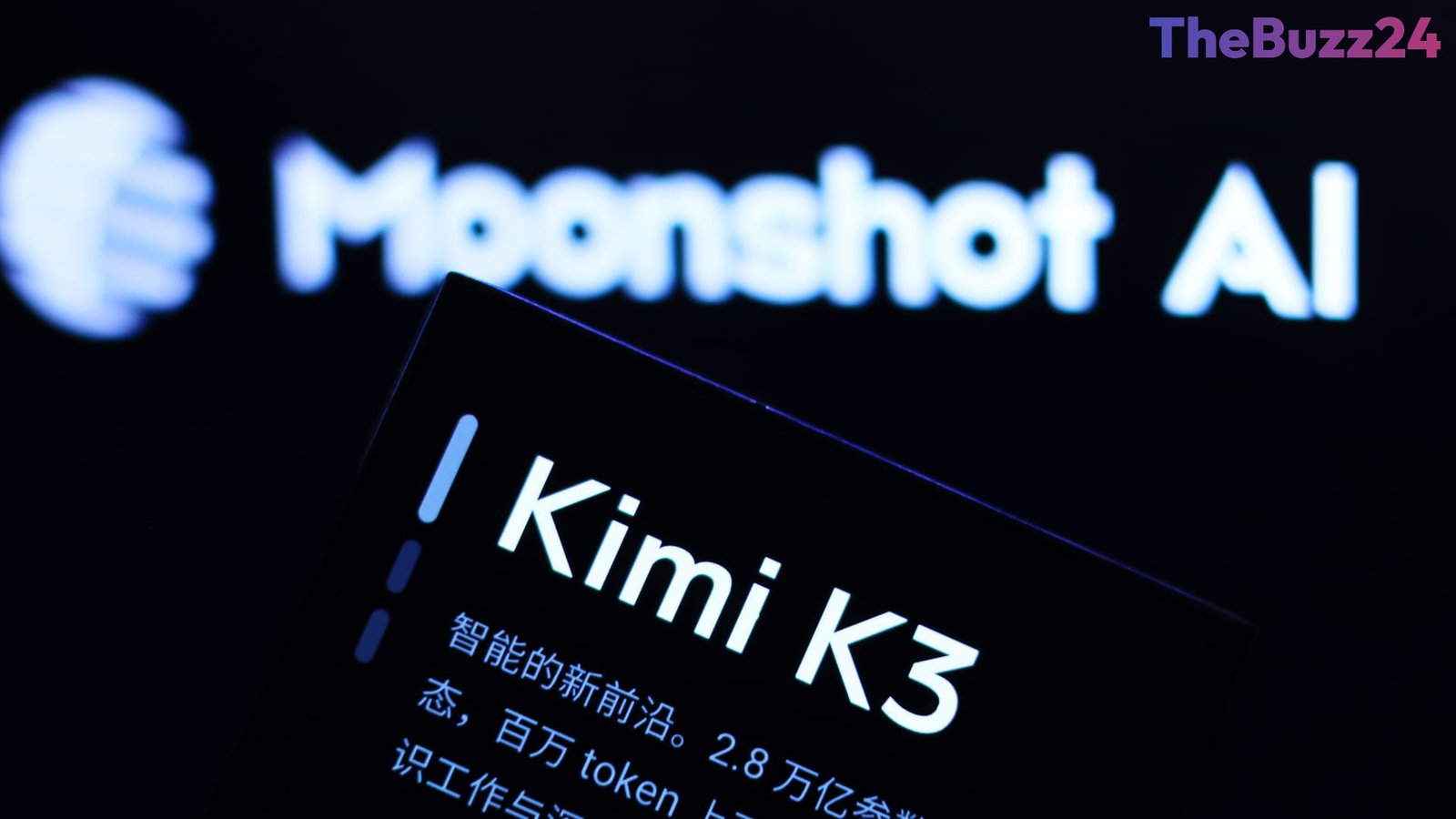
This workaround exploits the current regulatory framework, which focuses on the physical ownership and transfer of hardware rather than the remote utilization of cloud-based computing resources. Reports indicate that major Chinese technology firms, including Moonshot AI, ByteDance, and Alibaba, have utilized facilities in countries such as Thailand, Malaysia, and Japan to train their latest AI models. By leveraging these overseas cloud providers, these companies can harness the power of high-end Nvidia chips without ever taking physical possession of the restricted technology.
In response to these findings, U.S. lawmakers are pushing for the Remote Access Security Act (RASA), which aims to expand export control authority to cover remote cloud access to critical hardware. While the bill has already cleared the House of Representatives, it faces significant hurdles in the Senate and potential pushback from cloud service providers who would be tasked with implementing complex ‘know-your-customer’ verification protocols. Experts warn that even if the legislation passes, the government will face the difficult task of crafting enforceable rules that effectively restrict access without stifling the broader global cloud infrastructure market.
Key Takeaways
- Chinese AI firms are circumventing U.S. export bans by remotely accessing Nvidia chips via data centers in Southeast Asia.
- Current U.S. regulations only restrict the physical ownership of chips, leaving a significant loophole for cloud-based remote computing.
- The proposed Remote Access Security Act (RASA) seeks to regulate remote access to advanced hardware, though it faces legislative and implementation challenges.
Editor’s Analysis & Impact
The exploitation of remote cloud access to bypass hardware export controls represents a critical evolution in the geopolitical struggle over AI dominance. By shifting the focus from physical trade to digital infrastructure, Chinese firms have demonstrated that software-defined access can effectively neutralize traditional supply-chain restrictions. This development forces a paradigm shift for U.S. regulators: they must now decide whether to impose stringent, potentially disruptive ‘know-your-customer’ requirements on global cloud providers or risk losing their technological edge. The outcome will likely reshape the economics of the data center industry in Southeast Asia, as providers may be forced to choose between serving Chinese clients or maintaining access to U.S.-controlled hardware. Ultimately, this highlights the difficulty of enforcing national security policies in a borderless, cloud-native digital economy.
Frequently Asked Questions
Q: Why are current U.S. export controls failing to stop Chinese firms from using Nvidia chips?
A: Current regulations are designed to control the physical shipment and ownership of hardware. They do not currently prohibit companies from remotely accessing the computing power of those chips via cloud services hosted in third-party countries.
Q: What is the Remote Access Security Act (RASA)?
A: RASA is proposed U.S. legislation that would grant the government the authority to regulate remote cloud-based access to critical technology, effectively closing the loophole that allows foreign entities to use restricted hardware from abroad.
AI Disclosure: This article is based on verified data and official reports. Our Team and AI have cross-referenced every financial detail with primary sources to ensure total accuracy.
More from this Category