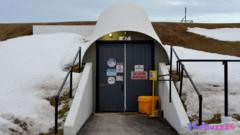
Cold War Relic to Luxury Sanctuary: Inside the C$30M Bunker Transformation in Nova Scotia
A massive Cold War-era nuclear fallout shelter in Debert, Nova Scotia, is undergoing a dramatic transformation into a high-end, disaster-proof condominium complex. Originally constructed in the late 1950s to shield government officials from nuclear strikes, the 64,000-square-foot underground fortress—historically known as “The Diefenbunker”—is being repurposed by Canadian cryptocurrency entrepreneur Jonathan Baha’i. The project, managed by Fallout Complex Inc., aims to turn the decommissioned military site into a self-sustaining luxury haven designed to withstand extreme weather events and global crises.
The planned 50-unit development will feature ultra-secure, biometric-access residences alongside high-end amenities, including a spa, a yoga studio, a cigar lounge, and a gourmet dining facility supplied by an on-site, overground agricultural bunker. To simulate natural environments underground, the facility will utilize advanced OLED lighting systems. Security measures, designed in collaboration with German security firm Bespoke Home and Yacht Security, will include 24/7 surveillance and perimeter-monitoring drones. When owners are not in residence, the units will operate as a boutique luxury hotel, with profits shared among the stakeholders.
The Debert bunker was one of seven emergency shelters commissioned by former Canadian Prime Minister John Diefenbaker during the height of Cold War tensions. Engineered to sustain over 300 people for up to a month, the facility eventually became obsolete due to advancements in missile technology and was decommissioned in 1996. Baha’i purchased the property in 2013 for C$31,300, initially exploring uses like laser tag and historical tours before pivoting to the luxury shelter model. The site will also house an expanded 15,000-square-foot high-security data center, which developers hope will generate local employment.
While local officials and business owners express optimism about the economic boost and potential tourism, some residents lament the privatization of a historic military landmark. The project reflects a broader global trend, particularly in North America, where decommissioned military infrastructure is increasingly converted into private survivalist communities. With the disaster preparedness market now estimated to be worth hundreds of millions of dollars, the Debert bunker represents a growing intersection of luxury real estate, historical preservation, and modern security demands.
Key Takeaways
- A 64,000-square-foot Cold War nuclear bunker in Nova Scotia is being converted into a 50-unit luxury condominium complex designed for disaster preparedness.
- The self-sustaining facility will feature biometric security, drone surveillance, a spa, and an on-site agricultural bunker to grow food.
- The project reflects a booming multi-million-dollar disaster prepping industry, turning historical military assets into private, high-security real estate.
Editor’s Analysis & Impact
The conversion of the Debert Diefenbunker highlights a significant shift in the luxury real estate and disaster preparedness sectors. Once the domain of fringe survivalists, “doom prepping” has gone mainstream, capturing the interest of high-net-worth individuals and tech entrepreneurs seeking tangible insurance policies against global instability. By repurposing decommissioned military infrastructure, developers bypass the astronomical costs of building deep-underground structures from scratch—which would cost upwards of C$30 million today. This project also illustrates the economic tension between historic preservation and private enterprise. While local communities stand to benefit from job creation and technological investment via the integrated data center, the privatization of national heritage sites remains a point of contention. Moving forward, expect to see more decommissioned government assets globally transitioned into high-security private enclaves as geopolitical and environmental anxieties continue to climb.
Frequently Asked Questions
Q: What was the original purpose of the Debert bunker?
A: Built in the late 1950s under Prime Minister John Diefenbaker, the bunker was designed to protect a skeleton crew of Canadian government officials and military personnel in the event of a nuclear war.
Q: What luxury amenities will the new condo complex offer?
A: The facility will feature biometric security, drone surveillance, a spa, a yoga room, a cigar lounge, gourmet dining from a self-sustaining food source, and an integrated high-security data center.
Q: How will the bunker operate when the owners are not there?
A: The units will be rented out as high-end boutique hotel rooms, with the rental profits shared with the condo owners.
AI Disclosure: This article is based on verified data and official reports. Our Team and AI have cross-referenced every financial detail with primary sources to ensure total accuracy.
More from this Category