Commercial Servicing Mission Set to Rescue NASA’s Swift Observatory from Atmospheric Re-entry
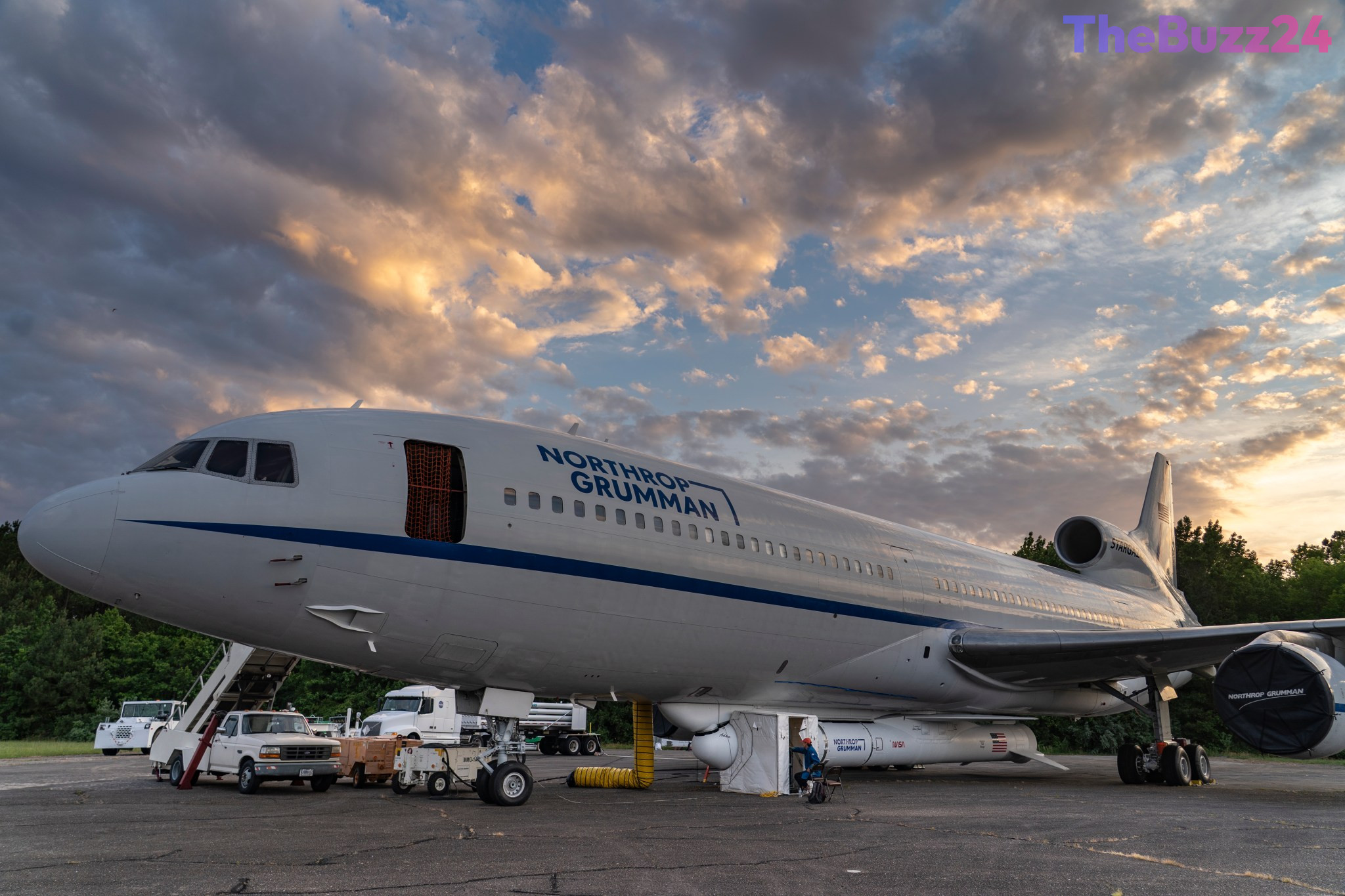
An unprecedented space rescue mission is preparing for liftoff from the Kwajalein Atoll in the Marshall Islands. Scheduled to launch no earlier than July 2, the robotic servicing spacecraft named LINK is tasked with extending the operational life of NASA’s Neil Gehrels Swift Observatory. The spacecraft, developed by Katalyst Space, will be carried into orbit aboard a Northrop Grumman Pegasus XL rocket, which will be air-launched from the Stargazer carrier aircraft.
Once deployed, LINK will embark on a complex orbital maneuver to rendezvous with and grapple the Swift Observatory. Over the course of several months, the servicing vehicle will gradually boost the observatory’s altitude. This critical orbital raising is designed to prevent the aging space telescope from falling back into Earth’s atmosphere, where it would otherwise burn up later this year.
This mission represents a major milestone in space logistics and commercial satellite servicing. If successful, it will mark the first time a commercial robotic spacecraft has successfully captured and serviced an uncrewed government satellite that was not originally engineered for in-orbit maintenance. The success of this endeavor could pave the way for a new era of orbital sustainability and satellite life extension.
Key Takeaways
- The LINK spacecraft, built by Katalyst Space, aims to rescue NASA's Neil Gehrels Swift Observatory by boosting its orbit to prevent atmospheric re-entry.
- The mission is scheduled to launch from Kwajalein Atoll using a Northrop Grumman Pegasus XL rocket deployed from the Stargazer aircraft.
- This marks the first-ever commercial robotic attempt to service an uncrewed NASA satellite that was not designed for in-orbit servicing.
Editor’s Analysis & Impact
The upcoming LINK mission represents a paradigm shift in orbital sustainability and the commercialization of space services. Historically, satellites and space observatories reaching the end of their orbital lifespan due to atmospheric drag were left to burn up or become space debris. By demonstrating that a commercial entity can successfully rendezvous with, grapple, and maneuver a legacy spacecraft not designed for servicing, Katalyst Space is opening up a highly lucrative market for satellite life extension. This mission could establish a blueprint for future public-private partnerships, allowing government agencies like NASA to extend the lifespans of multi-million dollar scientific assets at a fraction of the cost of building and launching replacements. Furthermore, it validates the viability of active debris removal and in-orbit servicing technologies, which are critical for maintaining clean and usable orbits in an increasingly crowded near-Earth environment.
Frequently Asked Questions
Q: What is the main goal of the LINK mission?
A: The primary objective of the LINK mission is to rendezvous with NASA's Neil Gehrels Swift Observatory, grapple it, and gradually raise its altitude over several months to prevent it from re-entering and burning up in Earth's atmosphere.
Q: Why is this mission considered historic?
A: It is the first time a commercial robotic spacecraft will attempt to capture and service an uncrewed NASA satellite that was not originally designed to be serviced or repaired in space.
Q: How will the LINK spacecraft be launched?
A: LINK will be launched using a Northrop Grumman Pegasus XL rocket, which is air-launched from the belly of the Stargazer aircraft, departing from Kwajalein Atoll in the Pacific Ocean.
AI Disclosure: This article is based on verified data and official reports. Our Team and AI have cross-referenced every financial detail with primary sources to ensure total accuracy.
More from this Category