NASA Seeks Earth-Bound Astronauts for Year-Long Moon and Mars Simulation
NASA is actively recruiting research participants for its ambitious new simulated deep space mission, set to commence no earlier than August 2027. Volunteers selected for this year-long endeavor will live and work in highly isolated, interplanetary-like environments at the agency’s Johnson Space Center in Houston, meticulously designed to replicate the conditions expected during future crewed missions to the Moon or the Red Planet.
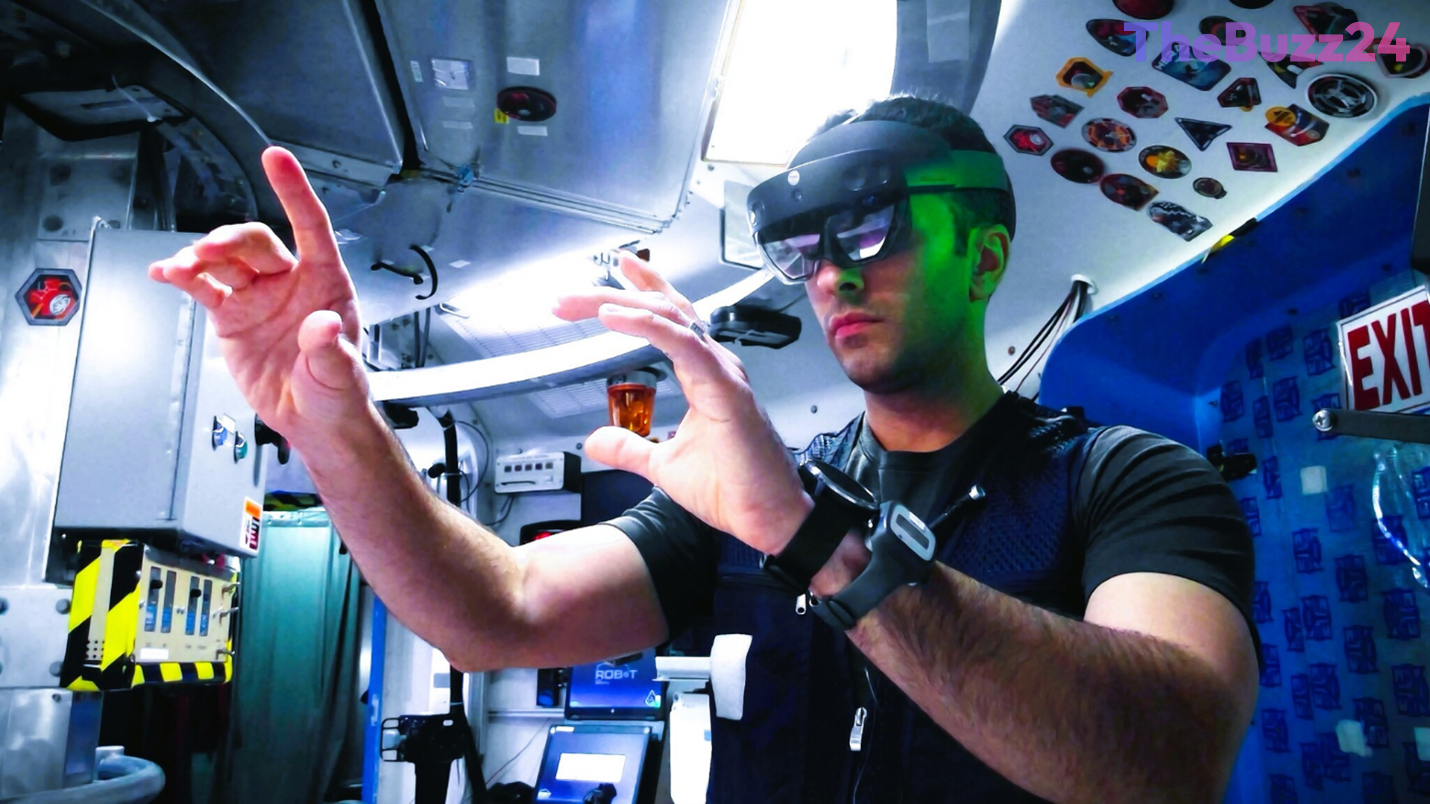
This groundbreaking experience, dubbed the Moon and Mars Exploration Analog, is poised to yield invaluable insights crucial for ensuring astronaut safety and mission readiness during upcoming planetary surface operations. The data collected will also play a pivotal role in shaping plans for a sustained human presence on the lunar surface through NASA’s Moon Base initiative and the ongoing Artemis missions. Participants will engage in a variety of astronaut-like tasks within immersive, interactive environments, including mock Mars walks and operating a rover to explore simulated sites, all while residing in confined habitats that mimic both a spacecraft and a planetary base.
Prospective applicants must meet specific physical and educational requirements, undergo a multi-day selection process, and successfully pass NASA’s rigorous physical and psychological assessments. Throughout the mission, researchers will meticulously study crew health and performance under realistic resource limitations and mission demands. This comprehensive evaluation will help NASA assess and validate critical hardware, technologies, protocols, and other systems essential for supporting crew health and operational efficiency on long-duration deep space missions, all without ever leaving Earth. The effort directly supports NASA’s Human Research Program, dedicated to innovating ways to keep astronauts healthy and prepared for the challenges of space.
This initiative underscores NASA’s commitment to expanding human exploration, establishing an enduring presence on the lunar surface, and laying the foundational groundwork for the first crewed missions to Mars. It represents a significant step in humanity’s journey towards scientific discovery and unlocking the economic benefits of space, marking a new era of ambitious space endeavors.
Key Takeaways
- NASA is launching a year-long simulated Moon and Mars mission starting August 2027, seeking volunteers to live in isolated, confined habitats at Johnson Space Center.
- The "Moon and Mars Exploration Analog" aims to gather critical data on crew health, performance, and technology validation for future deep space missions and sustained lunar presence.
- Insights from this Earth-based simulation will directly inform astronaut safety and operational readiness for upcoming Artemis missions and the first crewed journey to Mars.
Editor’s Analysis & Impact
This year-long simulation represents a critical investment in the future of space exploration, with significant implications for both public and private sectors. For the burgeoning space industry, it provides invaluable data to de-risk future lunar and Martian missions, directly impacting the design and operational protocols for spacecraft, habitats, and life support systems. This research will accelerate the development of technologies crucial for sustained human presence beyond Earth, benefiting companies involved in space tourism, resource extraction, and deep-space infrastructure.
The future outlook for human spaceflight is directly tied to the success of such analog missions. By meticulously studying human factors and technological performance in a controlled environment, NASA is paving the way for more ambitious and safer long-duration missions. Broader implications include inspiring a new generation in STEM fields, fostering international collaboration in space, and solidifying humanity’s long-term vision for becoming a multi-planetary species. The data will be instrumental in shaping policy and investment in space exploration for decades to come.
Frequently Asked Questions
Q: What is the purpose of the Moon and Mars Exploration Analog mission?
A: The mission aims to gather vital data on crew health, performance, and psychological adaptation in isolated, confined environments simulating deep space travel. This information will help NASA prepare astronauts for future long-duration missions to the Moon and Mars, validate technologies, and inform plans for a sustained lunar presence.
Q: Where will the simulation take place and for how long?
A: The year-long simulation will occur at NASA's Johnson Space Center in Houston, Texas, within two confined habitats designed to mimic a spacecraft and a planetary base. It is scheduled to begin no earlier than August 2027.
Q: What kind of tasks will volunteers perform during the simulation?
A: Participants will engage in a variety of astronaut-like tasks, including performing operations in immersive, interactive environments, conducting mock Mars walks, and using a rover to explore simulated sites. They will also live under resource limitations and mission demands, providing data on human factors in deep space conditions.
AI Disclosure: This article is based on verified data and official reports. Our Team and AI have cross-referenced every financial detail with primary sources to ensure total accuracy.
More from this Category