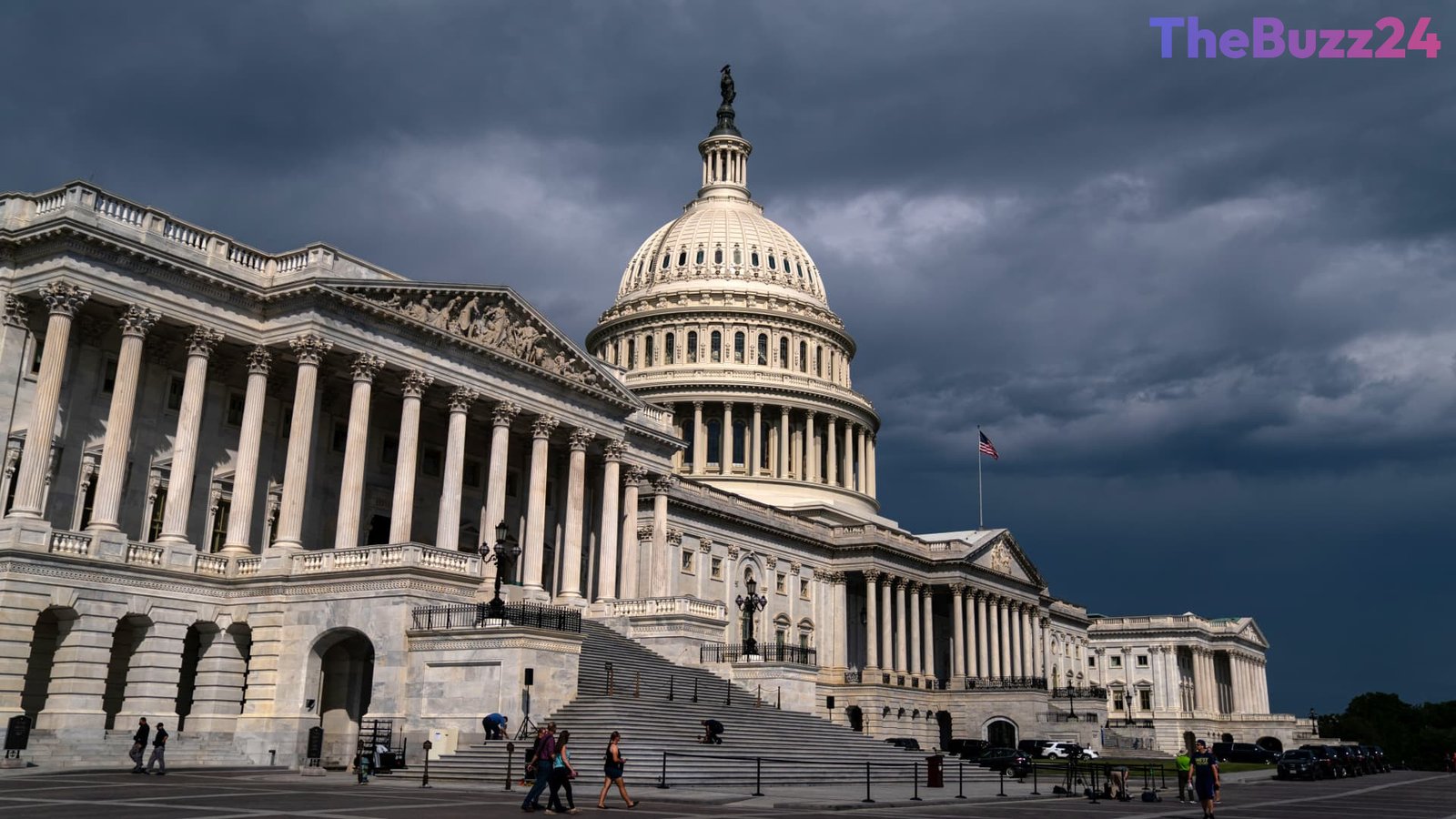
Congressional Shifts: How Midterm Outcomes Could Reshape Major U.S. Industries
The upcoming midterm elections hold the potential to significantly alter the landscape for companies deeply intertwined with federal policy and funding. Industries such as defense, healthcare, cryptocurrency, and artificial intelligence are particularly susceptible to shifts in congressional control, which could bring about new investigations, influence federal spending, and determine the longevity of regulatory changes.
Should Democrats gain control of either the House or Senate, they would acquire new leverage through committee gavels and subpoena power. This could lead to intensified corporate investigations, demanding documents and testimony from executives. Past examples include inquiries into White House ballroom donors like Cisco, Salesforce, ServiceNow, and Kraken, as well as investigations into tariff exclusions involving Apple’s former CEO, Tim Cook. Beyond oversight, Congress’s fundamental power lies in allocating funds. For instance, Medicaid insurers like Molina Healthcare, which derives a substantial portion of its premium revenue from the program, could see funding priorities shift. Similarly, defense contractors such as Lockheed Martin, heavily reliant on government sales, face potential changes in weapon program funding, impacting multi-billion dollar agreements like the F-35 fighter jet purchase.
Regulatory environments are also poised for potential transformation. The cryptocurrency industry, for example, is awaiting clear legislative rules, and a Democratic-controlled chamber might push for stricter consumer safeguards and tighter scrutiny of certain crypto businesses. In banking, proposed capital overhauls could be influenced by congressional pressure on regulators and future appointments. The burgeoning artificial intelligence sector presents a complex political challenge, particularly regarding the rapid construction of data centers by hyperscalers like Microsoft, Amazon, Alphabet, and Meta. Public concerns over electricity and water usage could lead to legislative efforts to impose more grid-upgrade costs on tech developers, potentially increasing project expenses and constraining new construction.
While historical data suggests that stock markets have often performed well under divided government, with legislative gridlock sometimes limiting drastic policy changes, analysts caution against assuming this pattern will necessarily repeat. The current political and economic climate presents unique variables. Ultimately, the midterm elections could redefine which businesses maintain their advantages in Washington, with consequences that may be highly localized for certain projects and industries, depending on the interplay between federal, state, and local authorities.
Key Takeaways
- Midterm elections could significantly alter oversight, spending, and regulation for industries like defense, healthcare, cryptocurrency, and artificial intelligence.
- Democratic control of Congress could lead to increased corporate investigations, potential shifts in Medicaid funding, and changes in defense contract priorities.
- Regulatory frameworks for emerging sectors like cryptocurrency and the infrastructure buildout for AI data centers are particularly vulnerable to legislative and political shifts.
Editor’s Analysis & Impact
The midterm election results are set to introduce significant market volatility and strategic shifts across several key U.S. industries. For sectors heavily reliant on government contracts and regulation, such as defense and healthcare, the immediate impact could be seen in budget negotiations and oversight intensity. The cryptocurrency and AI industries, still in their formative regulatory stages, face heightened uncertainty; legislative outcomes could either accelerate or impede their growth through new compliance burdens or infrastructure funding decisions. While historical market performance under divided government often suggests stability due to legislative gridlock, the current political climate, coupled with rapid technological advancements, suggests a more nuanced outlook. Companies will need to closely monitor policy developments and adapt their strategies to navigate potential shifts in regulatory enforcement and federal spending priorities, impacting long-term investment and operational planning.
Frequently Asked Questions
Q: Which industries are most likely to be affected by the midterm elections?
A: Industries with significant exposure to government contracts, funding, or regulation, such as defense, healthcare, cryptocurrency, and artificial intelligence, are most susceptible to changes resulting from the midterm elections.
Q: How might a Democratic-controlled Congress impact businesses?
A: Democratic control could lead to increased congressional investigations, greater oversight of corporate practices, potential shifts in federal spending priorities (e.g., Medicaid, defense), and demands for stricter consumer safeguards in emerging sectors like cryptocurrency.
Q: What is the historical relationship between divided government and stock market performance?
A: Historically, stocks have often performed well under divided government, with some analysts attributing this to legislative gridlock limiting sweeping policy changes. However, some experts caution that this pattern may not hold true in the current political and economic climate, suggesting a more complex outlook.
AI Disclosure: This article is based on verified data and official reports. Our Team and AI have cross-referenced every financial detail with primary sources to ensure total accuracy.
More from this Category