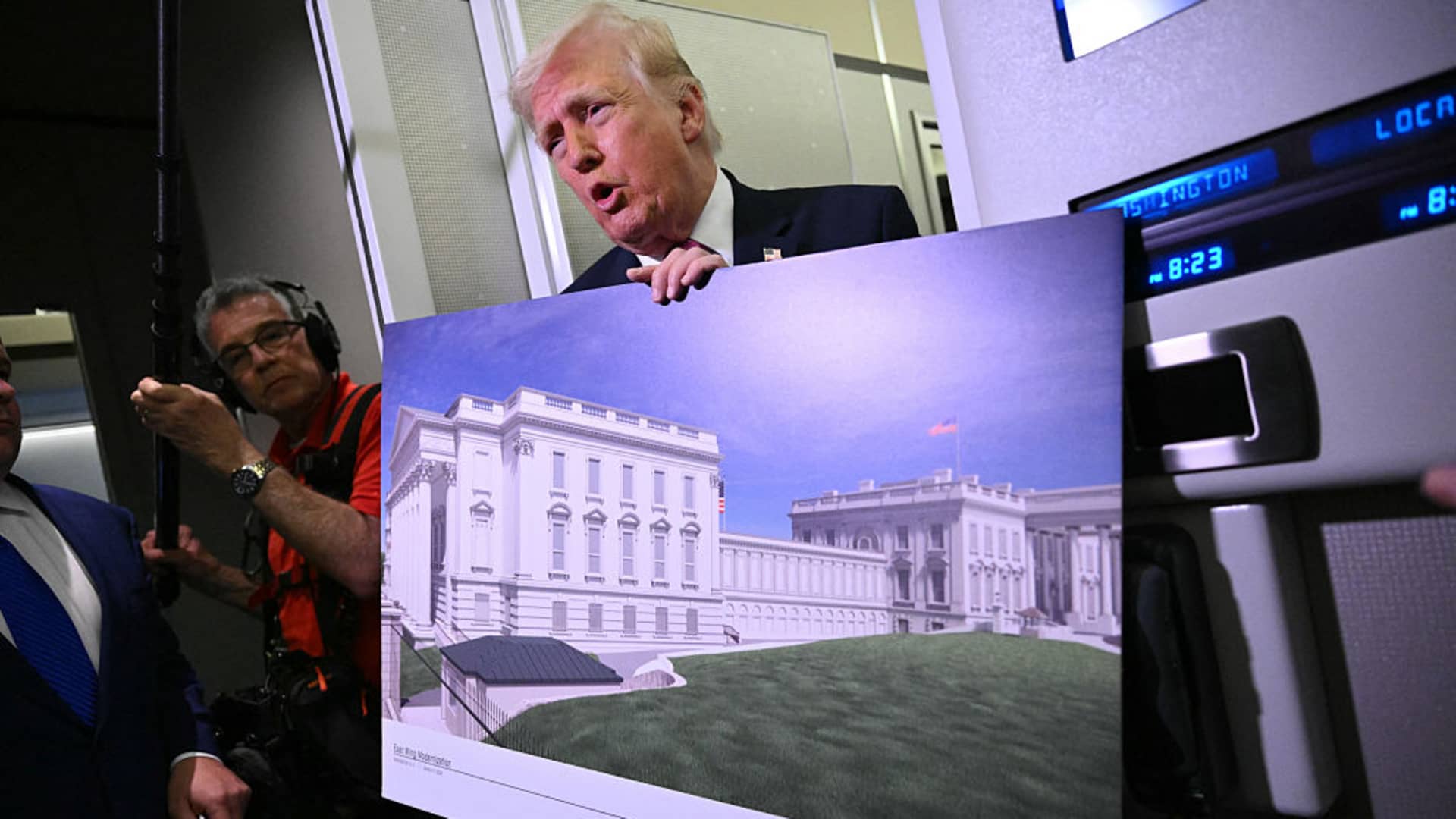
Construction Resumes on Controversial $400 Million White House Ballroom Expansion
A federal appeals court has cleared the way for the resumption of the $400 million ballroom expansion project at the White House. The U.S. Court of Appeals for the District of Columbia Circuit issued a stay on a previous injunction that had restricted construction activities to subterranean security infrastructure, effectively allowing the full-scale development of the 90,000-square-foot facility to proceed.
This legal development follows a restrictive ruling by U.S. District Judge Richard Leon, which had previously halted all above-ground work on the site where the East Wing once stood. With the stay now in effect, contractors are permitted to continue construction while the court prepares for a formal hearing scheduled for June 5. This upcoming session will serve as a critical juncture for the judiciary to evaluate the legal standing and regulatory compliance of the project.
The expansion has faced significant pushback from the National Trust for Historic Preservation, which contends that the administration bypassed mandatory congressional oversight and federal review processes. Critics argue that the project lacks the transparency required for modifications to a site of such immense historical significance. Conversely, federal officials defend the ballroom as a necessary enhancement to the presidential complex, noting that while security-related costs are taxpayer-funded, the bulk of the construction is financed through private donations and corporate partnerships.
Key Takeaways
- A federal appeals court has lifted an injunction, allowing construction on the $400 million White House ballroom to resume.
- The project, which replaces the former East Wing, is currently facing a legal challenge regarding its compliance with federal oversight and preservation standards.
- A formal hearing is scheduled for June 5 to determine the long-term legal viability of the expansion project.
Editor’s Analysis & Impact
The resumption of the White House ballroom project highlights the ongoing tension between executive authority and federal preservation mandates. By allowing construction to continue ahead of the June hearing, the court has signaled a potential shift in the project’s momentum, though the legal battle remains far from settled. The reliance on private funding for a project on federal land raises broader questions about the privatization of public spaces and the influence of corporate donors on government infrastructure. If the project survives the upcoming legal scrutiny, it could set a precedent for how future administrations manage renovations to historic federal properties. Conversely, a ruling against the administration could force a costly work stoppage and necessitate a complete overhaul of the project’s approval process, potentially impacting future executive development initiatives.
Frequently Asked Questions
Q: Why was construction on the White House ballroom initially halted?
A: Construction was halted by a U.S. District Court injunction due to concerns raised by the National Trust for Historic Preservation regarding a lack of congressional oversight and transparency.
Q: Who is funding the $400 million ballroom expansion?
A: While security upgrades are funded by taxpayers, the administration has stated that the majority of the construction costs are covered by private contributions from individual donors and corporate partners.
AI Disclosure: This article is based on verified data and official reports. Our Team and AI have cross-referenced every financial detail with primary sources to ensure total accuracy.
More from this Category