Crimea Plunged into Fuel Crisis as Ukrainian Drone Strikes Cripple Oil Infrastructure
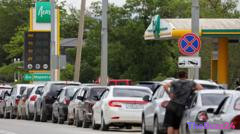
Russian-installed authorities in occupied Crimea have taken the drastic step of halting all public fuel sales following a series of highly effective Ukrainian drone strikes targeting critical energy infrastructure. Sergey Aksyonov, the Kremlin-appointed governor of the peninsula, announced that petrol stations will turn away private citizens and commercial businesses, reserving remaining fuel reserves exclusively for government and security agencies. This unprecedented restriction highlights the growing logistical strain on the occupied territory, which has faced mounting supply chain disruptions since its annexation by Russia in 2014.
The suspension of fuel sales follows a devastating overnight drone strike on an oil depot in the port city of Kerch, which reportedly left four people dead and dozens injured. Ukrainian President Volodymyr Zelensky defended the operation as a necessary and just response to ongoing Russian aggression. In addition to the Kerch depot, Ukrainian forces successfully targeted an oil transportation logistics hub in Russia’s neighboring Krasnodar region, as well as several military radar installations and logistics facilities.
The escalating campaign against Russian energy assets is part of a broader strategic effort by Kyiv to choke off Moscow’s military funding and disrupt domestic stability. By targeting refineries and fuel depots, Ukraine aims to apply economic and psychological pressure on the Kremlin. However, the strategy carries significant risks of retaliation, as Moscow has historically responded to successful Ukrainian strikes with heavy aerial bombardments of Ukrainian cities and civilian infrastructure.
Key Takeaways
- Russian-backed officials in Crimea have banned fuel sales to the public and private businesses, rationing supplies solely for government and security forces.
- The restrictions follow successful Ukrainian drone strikes on key oil depots and logistics hubs in Kerch and the neighboring Krasnodar region.
- Ukraine's strategy focuses on crippling Russia's military supply lines and energy-driven war chest, though it risks triggering severe retaliatory strikes from Moscow.
Editor’s Analysis & Impact
Ukraine’s targeted campaign against Russian oil infrastructure represents a highly calculated shift in its asymmetric warfare strategy. By focusing on refineries, storage depots, and transport hubs, Kyiv is successfully exploiting Russia’s logistical vulnerabilities, particularly in occupied territories like Crimea. This strategy not only disrupts immediate military operations but also inflicts tangible economic pain and domestic inconvenience on the Russian population, challenging the Kremlin’s narrative of security. However, the long-term impact remains double-edged. While these strikes degrade Russia’s war machine and reduce fuel export revenues, they also invite massive retaliatory missile and drone attacks on Ukraine’s already fragile power grid. As Ukraine’s domestic drone technology continues to mature, the conflict is likely to see an intensification of these deep-strike operations, keeping global energy markets volatile.
Frequently Asked Questions
Q: Why did authorities in Crimea suspend public fuel sales?
A: Fuel sales were halted to preserve dwindling supplies for government and security agencies after Ukrainian drone strikes severely damaged key oil storage and logistics facilities on the peninsula.
Q: What is Ukraine's goal in targeting Russian oil infrastructure?
A: Kyiv aims to disrupt the Russian military's supply lines, deplete Moscow's financial resources generated by fuel exports, and bring domestic pressure on the Kremlin to negotiate an end to the war.
Q: How has Russia responded to these drone attacks?
A: Russia has claimed to shoot down a high volume of Ukrainian drones and has historically retaliated by launching heavy missile and drone strikes against Ukrainian cities and energy infrastructure.
AI Disclosure: This article is based on verified data and official reports. Our Team and AI have cross-referenced every financial detail with primary sources to ensure total accuracy.
More from this Category