Critical PHP Flaw Triggers Global Scramble to Secure Web Systems
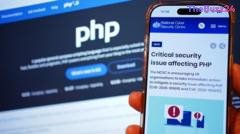
A critical cybersecurity vulnerability discovered in PHP, a programming language foundational to a vast portion of the internet, has prompted an urgent global effort to update and secure web systems. The flaw, identified as “php2shell,” was revealed by PHP developers, leading to widespread concern and the temporary offline status of numerous websites worldwide.
Security researchers have warned that these severe vulnerabilities could expose millions of sites to potential hacks if left unpatched. As a precautionary measure, the UK government temporarily took some of its services offline. Baroness Lloyd of Effra, a tech minister, informed the House of Lords that 32 government services were unavailable and four partially so, attributing this to proactive security work. While no successful attacks have been widely reported, experts caution that the full impact of such a widespread vulnerability could take months to materialize. Olly Whitehouse, Chief Technology Officer of the National Cyber Security Centre (NCSC), described the event as “unprecedented” but noted no indications of successful breaches.
PHP, or Hypertext Preprocessor, is a server-side scripting language developed in the early 1990s that underpins dynamic web pages and applications. It is estimated to power approximately 70% of the world’s websites, including major platforms like Wikipedia, WordPress, and various online shops, as well as popular frameworks such as Laravel, Symfony, and Drupal. Cybersecurity firms Wiz and Calif were instrumental in uncovering the php2shell flaw, which is inherent to the language itself and affects many past versions. The PHP Foundation, which maintains the language, warned that this vulnerability could allow unauthenticated attackers to remotely execute code on vulnerable servers.
Organizations globally are racing against time to implement patches. Internet infrastructure firm Cloudflare’s CEO, Matthew Prince, reported seeing millions of attempts to exploit the PHP vulnerabilities across its network shortly after the public announcement. Amazon also observed exploitation attempts but confirmed its websites were operating normally. Despite ongoing efforts, the rate of patching is not as rapid as hoped in some regions. Matt Hull, VP of cyber intelligence and response at NCC Group, emphasized the dramatically shrinking window for response, noting that attackers can now exploit vulnerabilities in days or even hours, highlighting the immense pressure on security professionals.
Key Takeaways
- A critical vulnerability (php2shell) in the widely-used PHP programming language has prompted a global rush to update web systems.
- Governments and major organizations, including the UK government, Cloudflare, and Amazon, have taken precautionary measures or observed high volumes of exploitation attempts, though no successful breaches have been widely reported yet.
- The flaw affects an estimated 70% of the world's websites, posing a significant challenge for developers and security professionals to patch quickly and prevent potential remote code execution by attackers.
Editor’s Analysis & Impact
This PHP vulnerability underscores the systemic risk inherent in foundational open-source technologies that power the internet. The immediate market impact includes significant operational disruptions for businesses and governments, leading to potential economic losses from downtime and increased spending on cybersecurity services. Looking ahead, this incident will likely accelerate patching efforts and drive a heightened focus on software supply chain security, potentially leading to new industry standards or regulations for widely-used components. Broader implications include a renewed call for better funding and support for critical open-source projects, as well as a stark reminder of the need for proactive security measures, rapid incident response protocols, and collaborative efforts across the global digital ecosystem to maintain internet stability.
Frequently Asked Questions
Q: What is PHP and why is this vulnerability significant?
A: PHP (Hypertext Preprocessor) is a server-side scripting language that powers approximately 70% of the world's websites, including major platforms like Wikipedia and WordPress. The "php2shell" vulnerability is critical because it's inherent to the language itself, allowing unauthenticated attackers to potentially execute remote code on affected servers, posing a severe risk to global web infrastructure.
Q: Have there been any successful cyberattacks due to this flaw?
A: As of the latest reports, there have been no widely confirmed successful cyberattacks directly exploiting this PHP vulnerability. However, organizations like Cloudflare and Amazon have reported seeing millions of attempts to exploit the flaw, indicating active scanning and probing by malicious actors. Many entities, including the UK government, have taken precautionary measures by temporarily taking services offline to apply patches.
Q: What steps are being taken to address the PHP vulnerability?
A: Developers and organizations worldwide are engaged in an urgent race to identify and patch systems running vulnerable versions of PHP. The PHP Foundation has issued warnings and updates, while cybersecurity firms are assisting in detection and mitigation. Governments and private sector entities are working to apply security updates and implement mitigations to protect their online services.
AI Disclosure: This article is based on verified data and official reports. Our Team and AI have cross-referenced every financial detail with primary sources to ensure total accuracy.
More from this Category