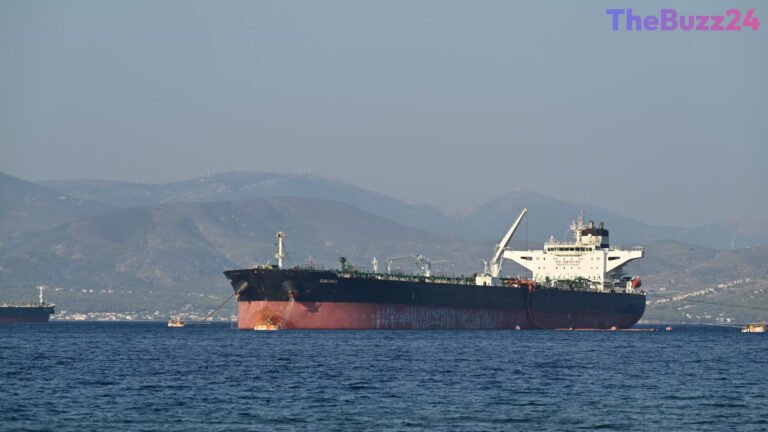
Crude Oil Prices Plunge Over 9% Following US and Iran De-escalation Efforts
Global energy markets experienced a significant downturn as crude oil prices plummeted by more than 9% following a temporary halt in hostilities between the United States and Iran. Brent crude, the international benchmark, dropped below the $88 per barrel threshold, reversing a steep upward trajectory that had pushed valuations above the $100 mark just days prior.
The sharp correction was catalyzed by diplomatic signals indicating a pause in military strikes. Representatives confirmed that operations had been suspended for consecutive nights to facilitate ongoing diplomatic discussions. This temporary cessation of hostilities offered a much-needed reprieve to commodities markets, which had previously reacted violently to the closure of the crucial Strait of Hormuz—a vital maritime corridor responsible for transporting roughly 20% of the world’s petroleum and liquefied natural gas.
Market participants remain intensely vigilant despite the sudden relief rally. Previous attempts at sustaining ceasefires have proven fragile, and lingering geopolitical tensions, compounded by regional disruptions in alternative export routes, continue to cast a shadow over long-term supply stability. Analysts emphasize that while current negotiations provide a pathway toward stabilization, structural uncertainty remains deeply entrenched in global energy valuations.
Key Takeaways
- Brent crude oil prices dropped by over 9% to fall below $88 a barrel following a pause in US-Iran military strikes.
- The de-escalation effort aims to provide room for diplomatic talks and potentially ease severe supply chain pressures in the Strait of Hormuz.
- Despite the immediate price drop, market analysts warn that persistent geopolitical uncertainties could trigger renewed volatility.
Editor’s Analysis & Impact
The dramatic drop in oil prices underscores just how sensitive global commodities are to geopolitical friction in the Middle East. While the temporary halt in hostilities between the US and Iran offers immediate psychological relief to inflation-weary consumers and businesses, the underlying structural risks remain unresolved. The Strait of Hormuz and surrounding maritime choke points are critical arteries for global energy transport; any future breakdown in talks could quickly send crude back toward or above the $100 threshold. For central banks and policymakers monitoring inflation, this volatility complicates monetary policy, as fuel costs directly translate into broader consumer price pressures across transportation, food, and manufacturing sectors. Markets are expected to remain range-bound but hypersensitive to diplomatic updates in the near term.
Frequently Asked Questions
Q: Why did oil prices drop sharply?
A: Oil prices fell by more than 9% after the US and Iran temporarily paused military attacks, raising hopes for diplomatic resolutions and the potential reopening of critical shipping lanes.
Q: What is the significance of the Strait of Hormuz?
A: The Strait of Hormuz is a vital global shipping route that typically carries about 20% of the world's oil and liquefied natural gas, making disruptions there a major driver of oil price spikes.
Q: How do oil price fluctuations affect everyday consumers?
A: Higher oil prices increase the cost of fuels like petrol and diesel, which in turn raises operational costs for businesses, ultimately driving up inflation and the price of everyday goods such as food.
AI Disclosure: This article is based on verified data and official reports. Our Team and AI have cross-referenced every financial detail with primary sources to ensure total accuracy.
More from this Category