Cuba Plunges into Darkness: Total Fuel Depletion Sparks Nationwide Crisis and Protests
Cuba is currently navigating one of its most severe energy emergencies in recent history, as the nation’s reserves of diesel and fuel oil have been completely exhausted. Energy Minister Vicente de la O Levy confirmed the dire situation, noting that the island is now operating without any strategic fuel buffers. The only remaining energy source currently being utilized is domestically produced well gas, which is insufficient to meet the country’s total demand. This scarcity has left the national electrical grid in a critical state, with no immediate relief in sight.
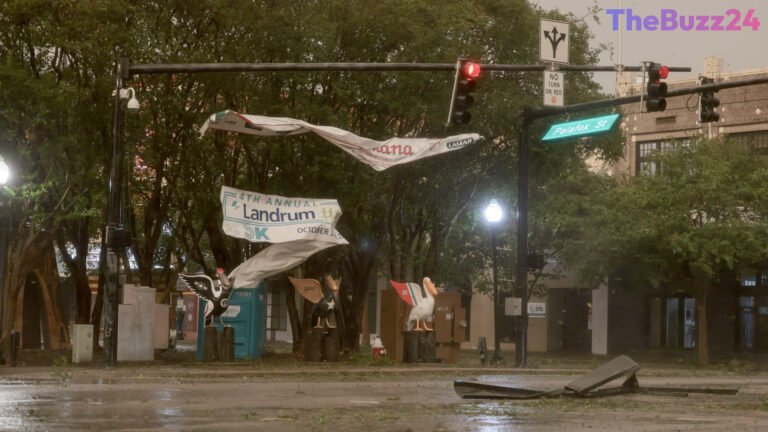
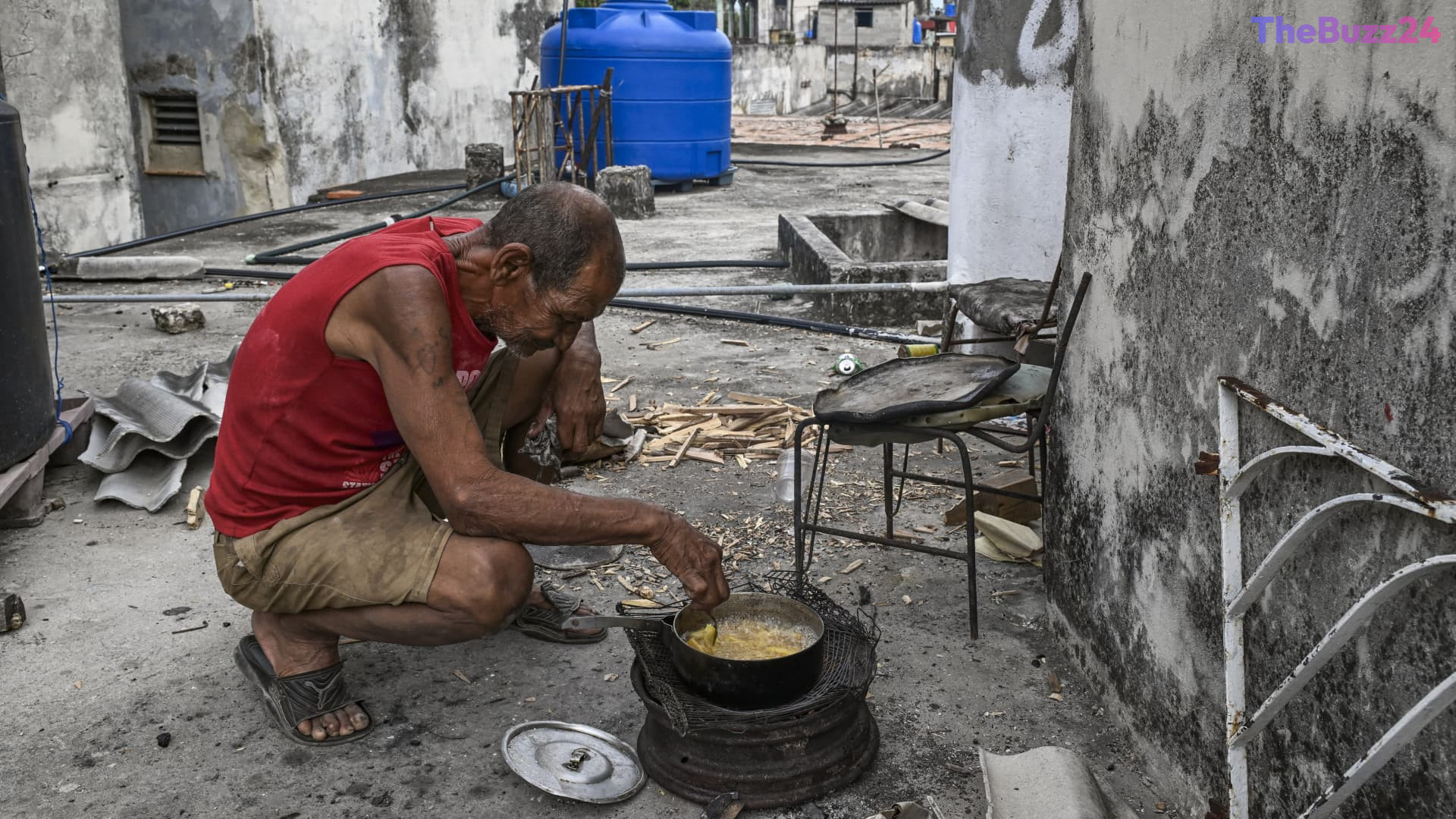
The impact on daily life has been catastrophic, particularly in the capital city of Havana. Residents are reporting blackouts that stretch up to 22 hours a day, leaving homes without refrigeration or light for the vast majority of the day. This prolonged lack of power has pushed public patience to a breaking point, leading to spontaneous demonstrations. On Wednesday evening, hundreds of protesters took to the streets of Havana, blocking roads with debris and chanting for the restoration of basic services.
Geopolitical tensions are at the heart of the shortage. Officials point to tightened U.S. sanctions as the primary obstacle, claiming these measures have effectively blocked oil tankers from reaching Cuban ports since the start of the year. Historically, Cuba relied on a steady stream of oil from Venezuela, but that supply line has faltered following U.S. pressure on the administration of Nicolás Maduro. The disruption of this vital corridor has left the island unable to secure the crude oil necessary to maintain its aging power infrastructure.
In response to the escalating humanitarian concerns, the U.S. State Department has proposed a $100 million aid package. However, this assistance comes with significant strings attached, requiring the Cuban government to implement “meaningful reforms” to its political and economic systems. As the grid remains in a critical state, the standoff between Havana and Washington continues to leave millions of Cubans in the dark, with the government facing the difficult choice of accepting conditional aid or managing a total energy collapse.
Key Takeaways
- Cuba has officially run out of diesel and fuel oil reserves, relying solely on limited local gas production.
- Massive blackouts lasting up to 22 hours daily have triggered public unrest and street protests in Havana.
- The U.S. has offered $100 million in aid, but it is contingent upon the Cuban government making systemic political reforms.
Editor’s Analysis & Impact
The current energy paralysis in Cuba represents more than just a logistical failure; it is a flashpoint for potential long-term instability. By linking humanitarian aid to political reform, the United States is utilizing the energy crisis as a lever for diplomatic pressure, a move that historically yields unpredictable results in the Caribbean. For Cuba, the total depletion of reserves suggests a failure to diversify energy sources or secure reliable alternative partners outside of the sanctioned Venezuelan corridor. If the grid suffers a total collapse, the resulting migration surge and internal unrest could force a diplomatic reckoning. The situation highlights the extreme vulnerability of island nations to global geopolitical shifts and the heavy toll that economic sanctions take on civilian infrastructure and basic human needs.
Frequently Asked Questions
Q: Why is Cuba experiencing such long blackouts?
A: The country has completely run out of imported fuel oil and diesel, which are essential for running its power plants, leaving only limited domestic gas to power the grid.
Q: What is the United States' position on the crisis?
A: The U.S. has offered $100 million in aid to help the Cuban people, but the offer is contingent upon the Cuban government agreeing to significant reforms to its communist system.
Q: How are Cuban citizens responding to the energy shortage?
A: There have been widespread protests in Havana, with residents blocking roads and demanding the restoration of electricity as blackouts reach 22 hours a day.
AI Disclosure: This article is based on verified data and official reports. Our Team and AI have cross-referenced every financial detail with primary sources to ensure total accuracy.
More from this Category