India’s Strategic Pivot: Navigating the Uncertain Future of U.S.-China Relations
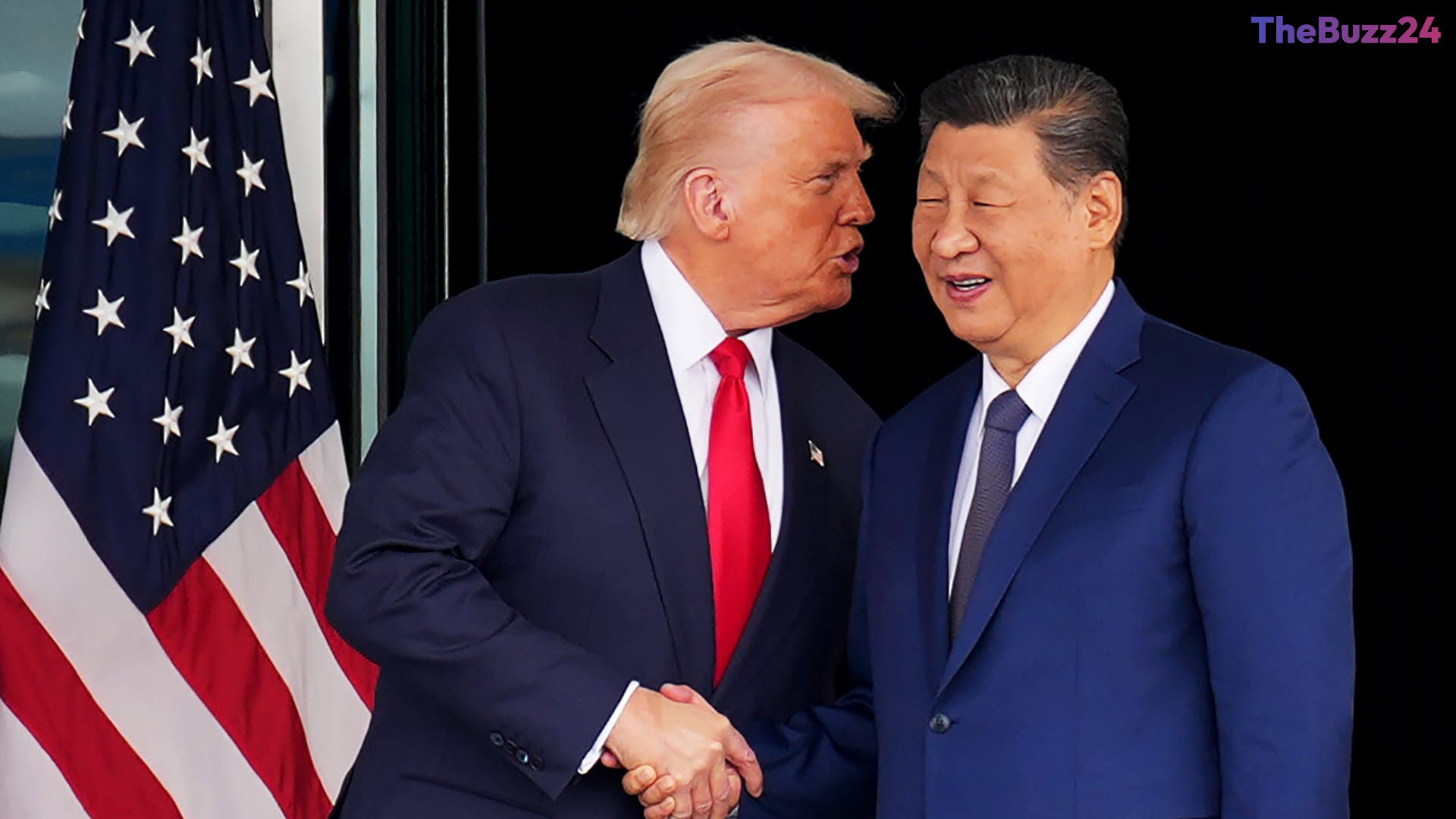
India is currently navigating a complex geopolitical landscape as it monitors the shifting dynamics between the United States and China. Long regarded by Washington as a vital counterweight to Beijing’s influence in the Indo-Pacific, New Delhi is increasingly wary of a potential shift toward a more transactional U.S. foreign policy. There is growing concern within Indian diplomatic circles that a future ‘grand bargain’ between the two superpowers could sideline India, reducing its influence on the global stage and forcing a recalibration of its long-term strategic objectives.
The relationship between Washington and New Delhi has historically been a mix of robust collaboration and periodic friction. While initiatives like the Quadrilateral Security Dialogue (QUAD) and the ‘China+1’ supply chain diversification strategy have strengthened ties, recent trade disputes and tariff disagreements have introduced a level of volatility. These tensions have prompted observers to question whether the U.S. remains committed to a values-based partnership or if it is pivoting toward a strictly interest-driven model that could leave India’s regional security interests vulnerable.
To counter the risk of marginalization, India is adopting a proactive stance by emphasizing its indispensable role in critical sectors. By focusing on tangible outcomes in defense, maritime security, energy, and the manufacturing of critical minerals, New Delhi aims to solidify its position as an essential global partner. The overarching goal is to prevent the emergence of a ‘G2’ world order, where the U.S. and China dictate global terms without regard for the strategic autonomy of other rising powers.
Ultimately, the trajectory of U.S.-China summits will have profound implications for the Indo-Pacific region. Given its complex border history with Beijing, India remains acutely aware that any realignment between the two superpowers could force a significant shift in its own foreign policy. New Delhi’s objective remains clear: to ensure that its strategic importance is recognized and maintained, regardless of how the relationship between Washington and Beijing evolves.
Key Takeaways
- India fears a transactional U.S. foreign policy could lead to a 'G2' global order that marginalizes its strategic influence.
- Despite successful collaborations like the QUAD, recent trade and tariff disputes have created uncertainty in the U.S.-India partnership.
- India is actively working to prove its indispensability by delivering concrete results in defense, technology, and critical manufacturing sectors.
Editor’s Analysis & Impact
The current geopolitical climate reflects a transition toward a more multipolar and transactional global order. India’s challenge lies in navigating the unpredictability of U.S. foreign policy while managing a direct, often hostile, neighbor in China. If the U.S. shifts toward a bilateral ‘G2’ framework, the ripple effects will be felt across global supply chains, particularly in the tech and manufacturing sectors where India has been positioning itself as a primary alternative to China. The broader implication is a move away from traditional multilateral security frameworks toward a more fragmented, power-centric model. For India, this necessitates a delicate balancing act: maintaining its strategic autonomy while proving it is an essential partner in the global economy. Future investment flows and defense partnerships will likely hinge on India’s ability to provide tangible, high-value outcomes in these critical sectors.
Frequently Asked Questions
Q: Why is India concerned about a potential U.S.-China 'grand bargain'?
A: India fears that if the U.S. prioritizes a direct agreement with China, it may diminish India's strategic importance as a regional counterweight, potentially leading to its marginalization in global decision-making.
Q: What is the 'China+1' strategy and how has it affected India?
A: The 'China+1' strategy is a business approach where companies diversify their supply chains by investing in countries outside of China. India has leveraged this to attract foreign investment and boost its domestic manufacturing sector.
Q: What is the Quadrilateral Security Dialogue (QUAD)?
A: The QUAD is a strategic security partnership between Australia, India, Japan, and the United States, designed to promote a free and open Indo-Pacific and serve as a check on regional hegemony.
AI Disclosure: This article is based on verified data and official reports. Our Team and AI have cross-referenced every financial detail with primary sources to ensure total accuracy.
More from this Category