Curiosity Rover Advances Toward Mysterious Yardang Unit on Mars
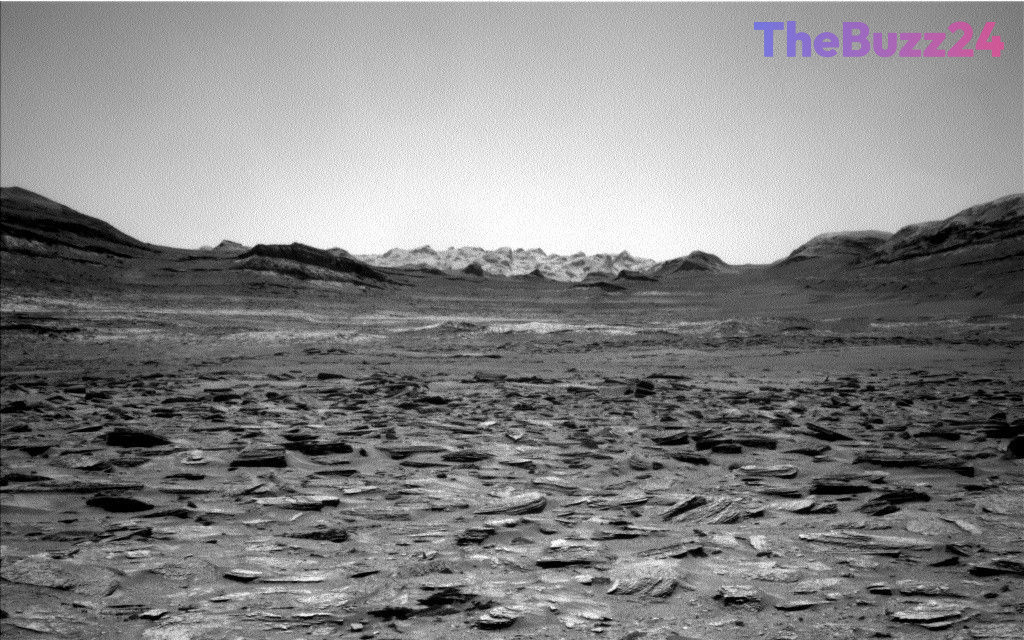
The Curiosity rover is currently navigating a transitional phase of its mission, moving away from the recently completed boxwork campaign toward its next major scientific objective: the yardang unit. These wind-sculpted, pale-colored hills represent a significant geological target that promises to offer new insights into the Martian landscape. As the rover traverses the terrain, mission planners are balancing the need for efficient travel with the opportunity to conduct opportunistic science on the diverse rock formations encountered along the way.
During this transit, the rover has been documenting a variety of laminated bedrock, characterized by alternating bands of pale and dark materials. The scientific team has utilized the rover’s suite of instruments, including the APXS and MAHLI, to analyze specific targets such as “Rio Bio Bio” and “La Primavera.” These investigations are crucial for understanding the composition of the surface materials as the rover moves southward. Additionally, the ChemCam instrument has been employed to provide detailed chemical analysis of both the light and dark rock layers.
Beyond surface sampling, the mission team is capturing high-resolution imagery of the surrounding landscape to better understand the region’s sedimentary structures. Features like the “Kimsa Chata” trough are being studied to determine the historical environmental conditions of the area, specifically whether the region was shaped by desert processes, ancient lake activity, or a combination of both. Meanwhile, the Environmental Theme Group continues to monitor atmospheric conditions, including dust levels and potential dust devil activity within Gale Crater.
As Curiosity continues its journey, the rover is heading toward an area where the contrast between light and dark bedrock becomes more pronounced. This upcoming region also features smoother terrain, which may facilitate easier navigation. The team remains optimistic that these new observations will provide critical data regarding the geological history of Mars, with further updates expected as the rover reaches its next destination.
Key Takeaways
- Curiosity is transitioning between major science campaigns, currently heading toward the wind-sculpted yardang unit.
- The rover is actively analyzing diverse laminated bedrock, using instruments like APXS and ChemCam to study both light and dark geological layers.
- Researchers are investigating sedimentary structures to determine if the region was historically a desert, a lake, or a hybrid environment.
Editor’s Analysis & Impact
The ongoing mission of the Curiosity rover highlights the importance of long-term, incremental exploration in planetary science. By transitioning from intensive, site-specific campaigns to broader transit-based research, the mission maximizes the utility of its aging hardware while maintaining a steady flow of high-value data. The focus on the yardang unit is particularly significant, as wind-sculpted features often reveal deep-time environmental shifts that are otherwise obscured. As the rover continues to traverse Gale Crater, the integration of environmental monitoring with geological sampling provides a holistic view of Martian climate history. This approach not only informs our understanding of Mars’ past habitability but also refines the operational strategies for future autonomous robotic missions, proving that even the ‘in-between’ phases of a mission are vital for scientific discovery.
Frequently Asked Questions
Q: What is the 'yardang unit' that Curiosity is heading toward?
A: The yardang unit is a series of pale-colored, wind-sculpted hills on Mars that serve as a primary geological target for the rover to study sedimentary structures and environmental history.
Q: How does the rover team decide when to stop and perform science during a transit?
A: While the primary goal during transit is to reach the next campaign site, the team stops to perform science when they encounter interesting geological features or workspaces that offer unique opportunities for analysis with the rover's onboard instruments.
AI Disclosure: This article is based on verified data and official reports. Our Team and AI have cross-referenced every financial detail with primary sources to ensure total accuracy.
More from this Category