Diplomatic Efforts Escalate Over Strait of Hormuz as Fragile Regional Ceasefire Holds
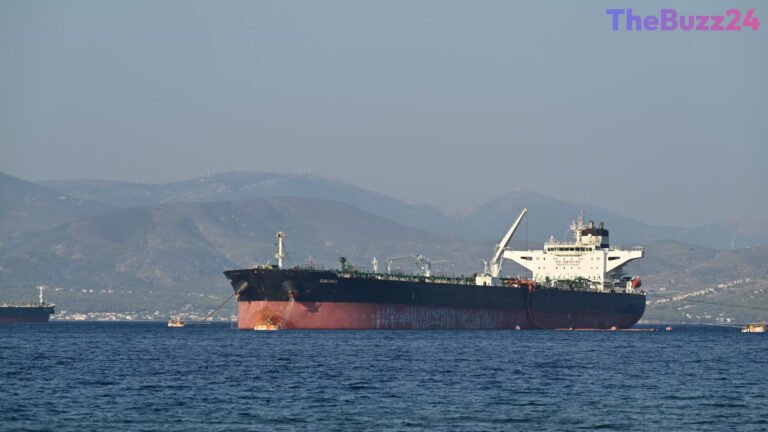
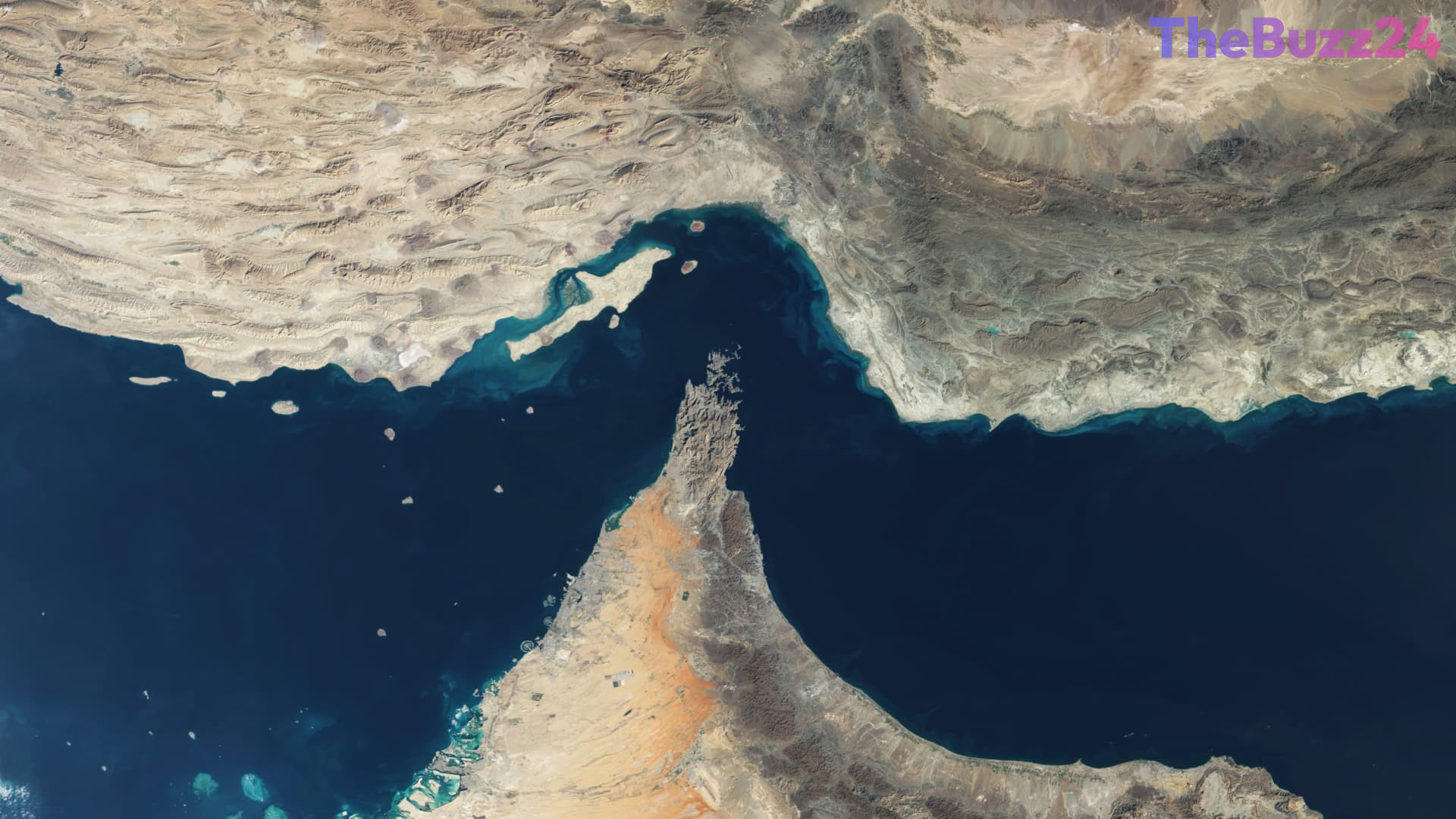
Iranian diplomatic officials have engaged in high-level discussions with representatives from Saudi Arabia and Oman to address growing security concerns surrounding the Strait of Hormuz. The talks focus on stabilizing the critical maritime transit route following weeks of heightened military tension in the Middle East. Highlighting the need for joint diplomatic strategies, participants emphasized restoring regional safety and mitigating risks to global shipping lanes.
As part of the ongoing negotiations, proposals have emerged regarding a cooperative management framework for the waterway. Oman, supported by several Gulf nations, has submitted a plan advocating for voluntary contribution models to fund navigation safety, environmental protection, and emergency services. This initiative mirrors existing international maritime arrangements in key global transit passages, offering a structural alternative to mandatory tolls previously considered by Tehran.
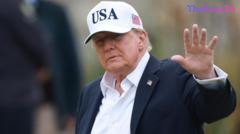
The diplomatic push coincides with a fragile temporary pause in direct military exchanges between the United States and Iran. While U.S. President Donald Trump referenced positive movement in communications, Iranian foreign ministry officials clarified that exchanges are occurring strictly through third-party intermediaries rather than direct discussions. Washington has signaled that military measures could be reinstated if diplomatic avenues fail to yield concrete agreements.
Meanwhile, regional security remains precarious amid peripheral military activity. Recent defense operations in neighboring territories intercepted unmanned aerial systems aimed near critical energy infrastructure. Despite these ongoing security friction points, global energy markets and stock indices have shown tentative gains in response to sustained military restraint and ongoing diplomatic dialogue.
Key Takeaways
- Iran, Saudi Arabia, and Oman are holding diplomatic talks to safeguard navigation through the Strait of Hormuz.
- Oman proposed a voluntary contribution model for strait maintenance and security, similar to international shipping agreements.
- The temporary pause in U.S.-Iran military action remains intact as indirect negotiations continue via intermediary channels.
Editor’s Analysis & Impact
The ongoing talks regarding the Strait of Hormuz represent a crucial effort to de-escalate tensions in one of the world’s most strategic energy corridors. Establishing a stable framework for maritime passage is critical for global supply chains, as any prolonged disruption in the strait severely impacts oil prices and global inflation. The adoption of a voluntary contribution model, similar to the Strait of Malacca agreement, could provide a sustainable diplomatic compromise while easing military friction. However, because communications between Washington and Tehran remain indirect and dependent on third parties, the threat of rapid escalation persists. Investors and global markets will likely maintain cautious optimism until formal treaties or verifiable security guarantees are established.
Frequently Asked Questions
Q: Why is the Strait of Hormuz critical to global trade?
A: The Strait of Hormuz is a vital maritime choke point through which a substantial portion of the world's crude oil and natural gas shipments pass daily, making its stability essential for global energy pricing.
Q: What framework is being proposed for the Strait of Hormuz?
A: Oman and Gulf allies have proposed a framework based on voluntary contributions from passing vessels to support maritime safety, search-and-rescue, and environmental conservation, replacing unilateral toll proposals.
Q: Are the United States and Iran conducting direct negotiations?
A: No direct negotiations are taking place; official Iranian sources indicate that communications between the U.S. and Iran are currently being handled through regional diplomatic intermediaries.
AI Disclosure: This article is based on verified data and official reports. Our Team and AI have cross-referenced every financial detail with primary sources to ensure total accuracy.
More from this Category