Curiosity Rover Uncovers Striking Geological Patterns in Latest Martian Exploration
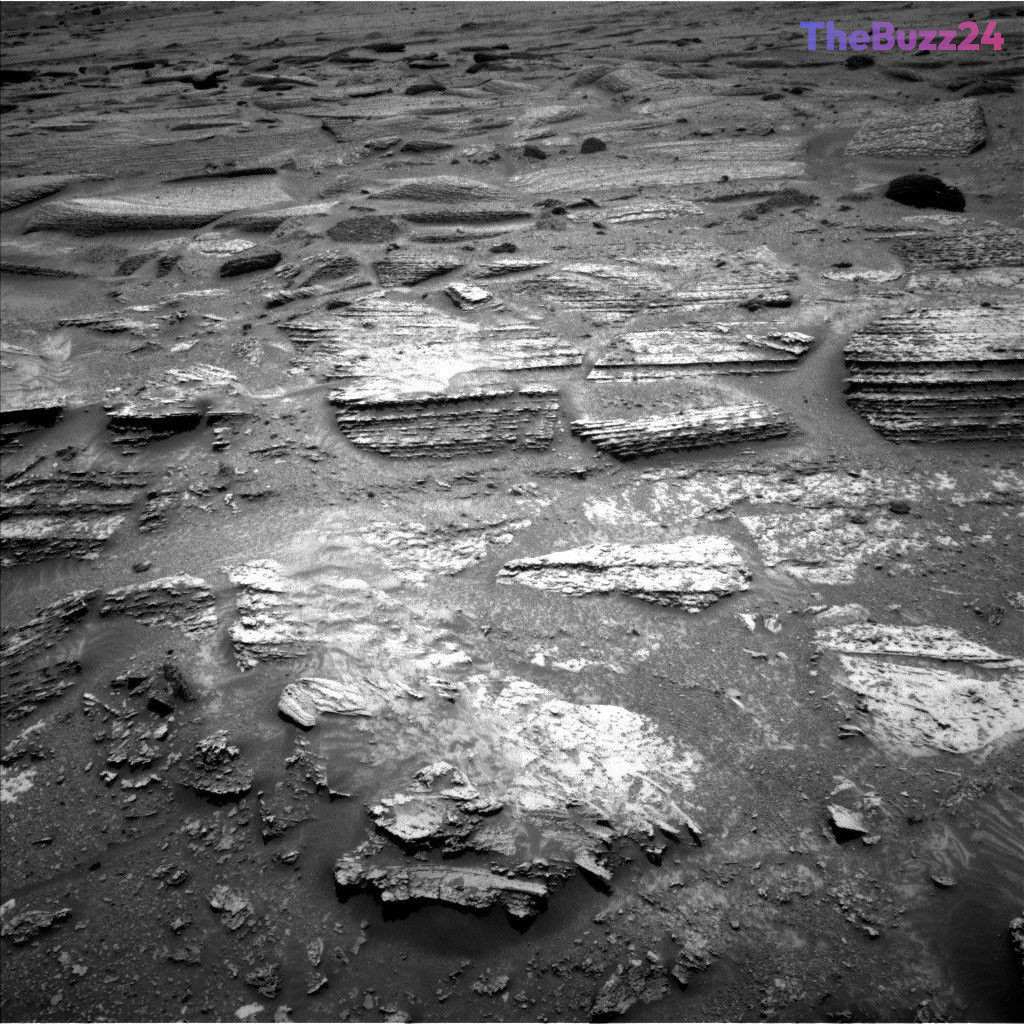
The Curiosity rover has reached a significant geological milestone on Mars, transitioning from polygonal terrain into a region defined by complex bedrock structures. As the rover navigated through Sols 4941 to 4947, it encountered a distinct boundary between sandy, smooth plains and a more rugged, layered bedrock unit. This transition has provided scientists with a unique opportunity to study the sedimentary history of the area, characterized by visually striking, pinstriped rock formations.
During this period, the rover utilized its suite of advanced instruments to conduct detailed chemical and visual analyses. Key targets, such as the ‘Cerro Castillo’ outcrop and the ‘Hornillos’ ledge, were subjected to laser-spectroscopy and high-resolution imaging. These observations are designed to determine the mineral composition of the light-toned bedrock and the darker, transported rock fragments scattered throughout the site. The rover also continued its ongoing atmospheric monitoring, capturing data on dust devils and cloud formations to better understand the current Martian climate.
Looking ahead, the mission team has directed Curiosity toward a large, dark boulder that may potentially be a meteorite. This upcoming investigation highlights the rover’s dual focus: performing rigorous geological surveys of the local strata while remaining alert for unique surface features that could offer clues about the planet’s history. By analyzing these diverse rock types and the surrounding landscape, the mission continues to build a comprehensive picture of the environmental processes that have shaped the Martian surface over billions of years.
Key Takeaways
- Curiosity has transitioned into a new geological zone featuring unique pinstriped bedrock layers.
- The rover is conducting extensive chemical analysis on diverse rock fragments to understand local mineralogy.
- Mission operations are currently focused on investigating a potential meteorite while continuing atmospheric and dust-devil surveys.
Editor’s Analysis & Impact
The ongoing mission of the Curiosity rover remains a cornerstone of planetary science, providing high-fidelity data that bridges the gap between theoretical models of Martian geology and physical reality. By identifying and analyzing specific geological contacts—such as the transition from polygonal terrain to layered bedrock—researchers are gaining critical insights into the sedimentary and potentially aqueous history of Mars. The focus on ‘pinstriped’ outcrops suggests complex depositional environments that warrant further study. Furthermore, the rover’s ability to autonomously select targets via AEGIS demonstrates the increasing efficiency of robotic exploration. As Curiosity continues its trek, the data gathered will be instrumental for future human exploration planning and for refining our understanding of how Mars evolved from a potentially habitable world into the arid environment observed today.
Frequently Asked Questions
Q: What is the significance of the 'pinstriped' rocks found by Curiosity?
A: These pinstriped layers represent sedimentary deposits that provide a visual record of the environmental conditions present when the rocks were formed, helping scientists reconstruct the geological history of the region.
Q: Why does the rover perform dust-devil and atmospheric surveys?
A: These observations help scientists track seasonal changes in the Martian atmosphere, understand dust transport mechanisms, and refine climate models for the planet.
AI Disclosure: This article is based on verified data and official reports. Our Team and AI have cross-referenced every financial detail with primary sources to ensure total accuracy.
More from this Category