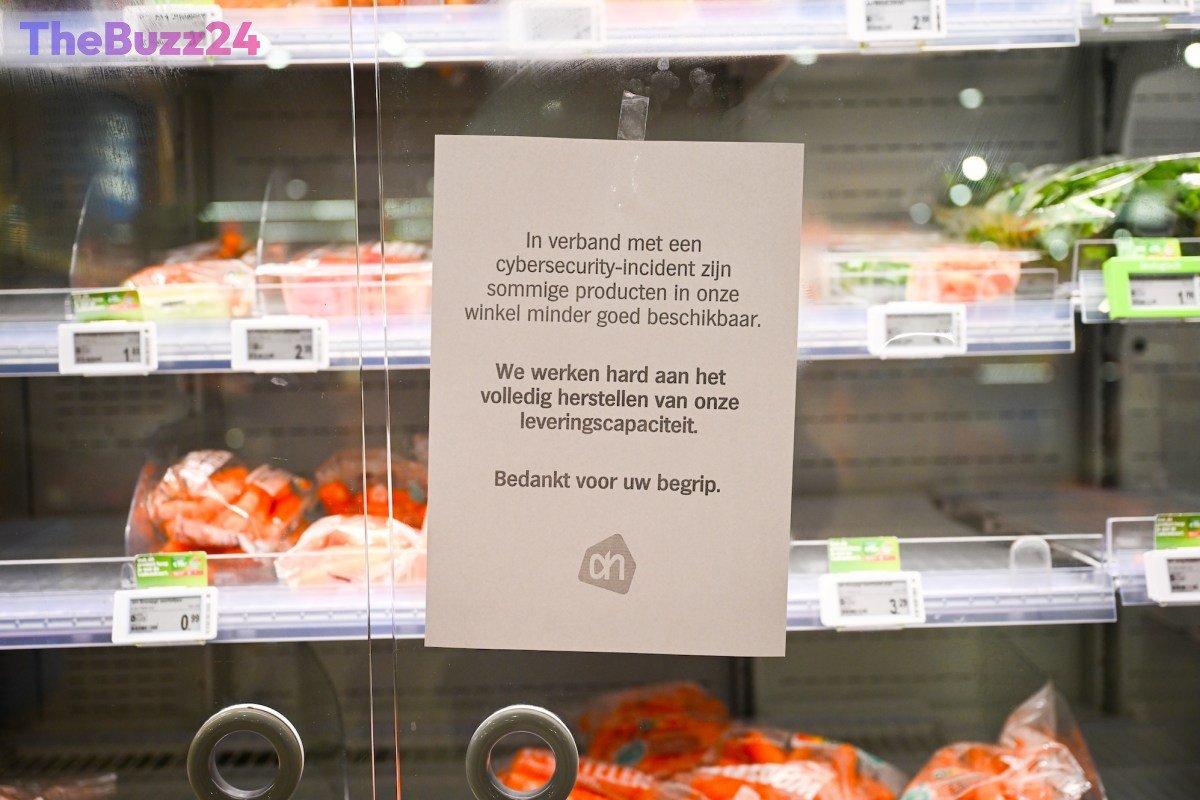
Cyberattacks Thaw European Supermarket Fridges, Ruining Tons of Food
A new wave of sophisticated cyberattacks has targeted supermarket refrigeration systems across Europe, leading to significant food spoilage and losses. Reports indicate that dozens of stores in countries including Belgium, Ireland, Luxembourg, and Sweden have been affected, with hackers manipulating refrigerator settings to dangerously increase temperatures.
Major supermarket chains such as Ahold Delhaize and Colruyt have confirmed the incidents. In Belgium, a company managing systems for Delhaize revealed that attackers altered the settings on the refrigeration units to initiate a defrost cycle. This deliberate action has forced numerous stores to discard large quantities of perishable goods that have either defrosted or become otherwise unsalable, impacting the food supply chain.
This latest series of attacks follows a similar incident in France last month, where hundreds of supermarkets experienced food spoilage due to compromised refrigerator units. Security experts are pointing to internet-connected refrigerators manufactured by Danish company Danfoss as a potential vulnerability. Concerns have been raised that these units may no longer be receiving crucial security updates, leaving them susceptible to remote exploitation. Security firm Claroty had previously issued warnings in August about the risks associated with these specific refrigerator models.
The widespread impact of these cyber incidents highlights the tangible real-world consequences that can arise from overlooked cybersecurity vulnerabilities, particularly within critical infrastructure like the food supply chain. This echoes a past event in 2025 when a cyberattack on food distributor UNFI caused widespread shortages and empty shelves across the United States.
Key Takeaways
- A new wave of cyberattacks has compromised supermarket refrigeration systems in several European countries, causing significant food spoilage.
- Hackers manipulated temperature settings on internet-connected refrigerators, potentially exploiting a lack of security updates from the manufacturer, Danfoss.
- These attacks demonstrate the growing threat of cybercrime to critical supply chains and the real-world impact of weak cybersecurity practices.
Editor’s Analysis & Impact
This escalating series of cyberattacks on food refrigeration systems serves as a stark warning about the vulnerabilities within our increasingly connected food supply chain. The reliance on internet-enabled devices, often without adequate security patching, creates significant risks. The financial losses for retailers are substantial, but the broader implications include potential disruptions to food availability and public trust. As cybercriminals increasingly target critical infrastructure, businesses must prioritize robust cybersecurity measures, including regular updates and network segmentation, to prevent such disruptive and costly incidents.
Frequently Asked Questions
Q: What specific type of equipment was targeted in these cyberattacks?
A: The cyberattacks primarily targeted internet-connected refrigeration units used in supermarkets, specifically those manufactured by the Danish company Danfoss.
Q: What was the immediate impact of these attacks on supermarkets?
A: The hackers manipulated the settings of the refrigeration units to increase temperatures, causing a significant amount of perishable food to spoil and forcing supermarkets to discard the affected goods.
Q: Are these attacks linked to any specific group or motive?
A: While the provided information does not explicitly link these specific supermarket attacks to a particular group, it notes that similar tactics have been seen in other cyber incidents, including those attributed to state-sponsored actors in some cases. The motive appears to be disruption and causing economic damage.
AI Disclosure: This article is based on verified data and official reports. Our Team and AI have cross-referenced every financial detail with primary sources to ensure total accuracy.
More from this Category