Texas Gubernatorial Race Narrows as AI Data Center Growth Sparks Political Backlash
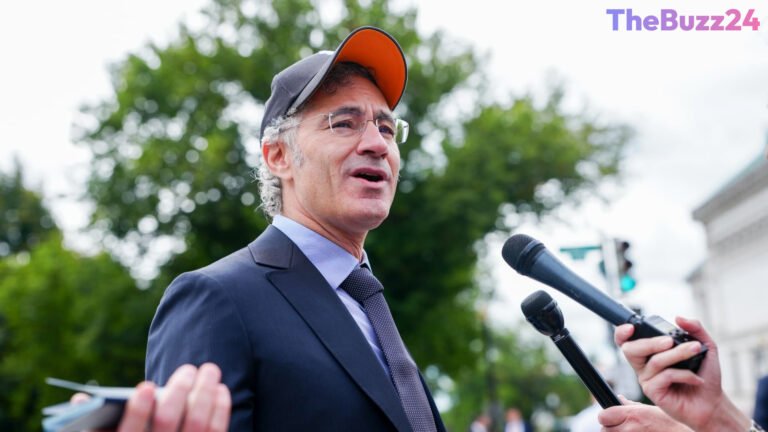
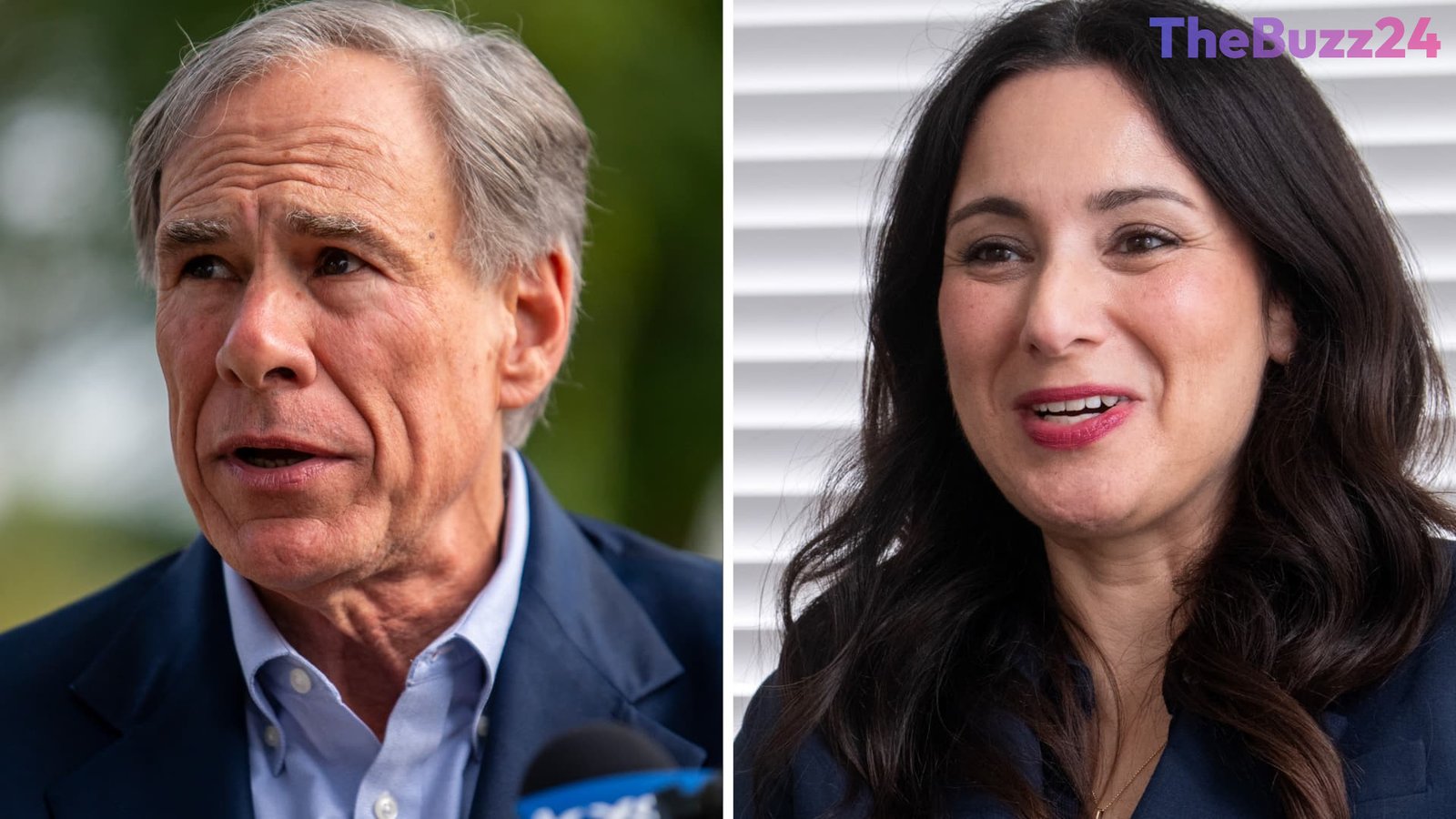
The Texas gubernatorial election has unexpectedly intensified as voter concern over artificial intelligence data centers shapes political sentiment ahead of Election Day. Republican Governor Greg Abbott, seeking a fourth term, maintains an edge over Democratic challenger State Representative Gina Hinojosa, though recent market odds and polling indicate a significantly narrowing margin. The high-stakes contest is being closely watched across the country as a potential bellwether for how power grid strains and big tech expansion will influence broader political dynamics.
Central to the political clash is the explosive growth of energy-intensive data facilities across the state. While Abbott previously touted major corporate commitments—such as a $40 billion investment from Google aimed at making Texas a global hub for AI development—he has recently pivoted toward a more cautious approach. In response to rising public anxiety over power grid reliability, Abbott ordered an audit of facility grid connections and suspended all new data center-related permits until existing waitlists are reviewed.
Hinojosa has seized on the topic as a core pillar of her campaign, criticizing the incumbent’s initial enthusiasm for the industry. She is advocating for an immediate moratorium on new facility approvals until state lawmakers establish strict environmental and operational guardrails. Her platform has resonated with voters concerned about rising utility demands, helping drive a sharp increase in her probability metrics across prediction platforms from single-digit figures earlier this summer to nearly 40 percent.
With early voting turnout already exceeding 7.7 million ballots, both campaigns are making their final pushes to mobilize voters. The ultimate outcome will offer critical insights into whether public resistance to digital infrastructure projects can disrupt established political expectations in energy-producing states.
Key Takeaways
- Texas Governor Greg Abbott faces a unexpectedly tight re-election contest against Representative Gina Hinojosa amid voter concerns over energy grid capacity.
- Data center expansion for artificial intelligence has become a major campaign issue, leading Abbott to halt new permits while Hinojosa demands a full moratorium.
- More than 7.7 million early ballots have been cast in Texas as market probability for a political upset has climbed significantly in recent weeks.
Editor’s Analysis & Impact
The tightening Texas gubernatorial race highlights an emerging political challenge: the friction between rapid artificial intelligence expansion and localized resource management. As tech conglomerates compete to build out computing infrastructure, the immense power requirements of data centers are straining municipal grids and provoking voter anxiety over utility costs and energy reliability. Texas has historically attracted major enterprise developments with its business-friendly regulatory environment, but public pushback is forcing even staunch market advocates to pause growth. Moving forward, technology companies will likely face stricter state-level oversight and heightened demand to fund independent power solutions, such as dedicated clean energy installations, rather than relying solely on public utilities. The political outcome in Texas could serve as a precedent for other states navigating the delicate balance between economic tech investments and grid security.
Frequently Asked Questions
Q: Why has data center development become a major election issue in Texas?
A: Data centers require immense amounts of electricity, raising concerns among voters regarding power grid stability, potential outages, and increased local energy utility costs.
Q: What are the positions of the Texas gubernatorial candidates on data centers?
A: Governor Greg Abbott has paused new permit approvals pending an audit of grid connections, while Democratic opponent Gina Hinojosa advocates for an immediate moratorium on all new facility construction until legislative guardrails are enacted.
Q: How many voters participated in early voting in Texas?
A: More than 7.7 million voters cast their ballots during the early voting period prior to Election Day.
AI Disclosure: This article is based on verified data and official reports. Our Team and AI have cross-referenced every financial detail with primary sources to ensure total accuracy.
More from this Category